Rust converter
Can You Prime Over Rust Converter? (2026 Guide)
Can You Prime Over Rust Converter? (2026 Guide)
A field-tested look at rust converter and primer compatibility, cure timing, and the paint sequence that holds up on real metal.
Quick answer — yes, you can prime over rust converter. Wait until the converter fully cures, usually 24 to 48 hours, then apply an epoxy or oil-based primer. Skip latex and water-based primers. They reactivate the polymer skin and peel.
Can You Prime Over Rust Converter Without Wrecking the Finish?
Short version. Yes. You prime over rust converter all the time, and pros do it on cars, trailers, railings, and boat hardware every single day. The catch sits in the details. Cure the converter first. Match the primer chemistry. Get those two things right and the layers lock together like they were poured as one solid coat.
A rust converter does something clever to the orange crust. The tannic acid inside reacts with iron oxide and turns it into iron tannate, a stable blue-black film. So the chemistry already leaves a paint-ready shell behind, which means a separate primer is sometimes a bonus rather than a requirement. Curious about the reaction itself? Our breakdown of the science of rust converters and primers walks through it step by step.
Here is where people trip. They treat the converter like ordinary primer and rush the next coat before the surface has truly hardened. Rushed jobs bubble. Patient jobs last. The whole difference comes down to time, and time is free.
A Converter Is Half Primer Already
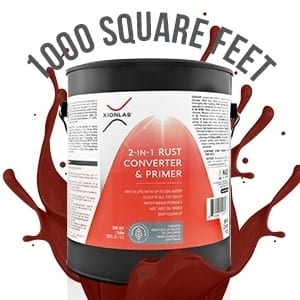
Most quality converters dry into a sealed, inert layer engineered to grip topcoat. The XionLab 2-in-1 formula goes a step further. It converts the rust and lays down a primer-grade bonding surface in the same pass. One coat. Done. For a lot of light projects you can skip a separate primer entirely and paint straight onto the cured film without losing protection.
So why prime at all? Insurance, mostly. A dedicated primer adds film build, hides patchy color, and gives glossy topcoats something toothy to bite into. When the finish runs thin or the color is pale, the extra layer earns its keep fast.
- Built-in bonding surface — the cured converter is formulated to accept paint without a separate primer on most small jobs.
- Sealed iron tannate — the black film locks out the moisture and oxygen feeding fresh corrosion.
- Optional primer boost — epoxy or oil-based primer adds thickness and color uniformity for high-wear pieces.
The honest takeaway? Priming over a converter is often optional, not mandatory. Knowing which camp your project falls into saves a step and a Saturday afternoon.
When Priming Over Rust Converter Actually Helps
Not every job needs it. Some really do. A handful of situations make a separate primer coat well worth the wait, and recognizing them ahead of time keeps you from either wasting product or skimping where it counts.
- Heavy-wear surfaces — truck frames, trailer decks, gate hardware. Abrasion eats thin coatings fast.
- Pale or metallic topcoats — whites, silvers, and light grays telegraph every blemish underneath. Primer evens the canvas.
- Salt-belt and coastal metal — if you live where road brine or sea spray rules the winter, extra film build buys years.
- Mixed substrates — a panel part bare steel, part old paint, part converted rust. Primer unifies the surface before color goes on.
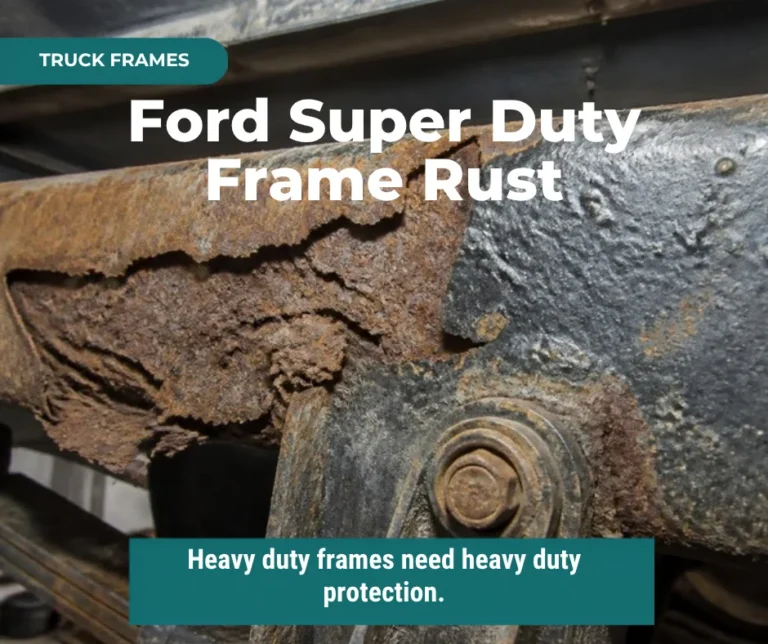
Driving an older vehicle through a Rust Belt winter? The undercarriage takes a relentless beating from salted roads, and a primer coat over the converter is cheap insurance against another season of pitting. Our notes on rust converter for automotive protection cover that brutal environment in depth.
Estimated global cost of corrosion each year, about 3.4% of world GDP, per the NACE International IMPACT study.
Cure Time Decides Everything
Here is the mistake I see most. The converter looks dry, feels dry to the knuckle, so out comes the primer. Underneath, the polymer is still flashing off moisture. Trap that moisture and you trap a future blister waiting to lift your beautiful new finish right off the metal weeks down the line.
Give it 24 to 48 hours. In humid air, lean toward the long end. I learned this the slow way on a boat trailer down on the Gulf Coast, where the afternoon air sits thick as soup and nothing dries on schedule. I primed at the four-hour mark because the surface looked ready, looked perfect even. Two weeks later, a patch about the size of my palm lifted clean off in one sad sheet. Patience would have saved the whole redo.
Temperature matters too. Cold metal slows the cure to a crawl. Below roughly 50°F, plan on extra hours, sometimes a full extra day, before any primer touches the surface.
Typical cure window before a rust converter is ready for primer or topcoat. Humidity and cold stretch it longer.
And the simplest test? Press a thumbnail into an edge. If it dents or feels tacky, walk away and wait. Dry to the touch is a very different thing from cured all the way through.
How To Tell The Converter Is Truly Ready
Guessing leads to grief. A few honest checks tell you whether the surface has actually hardened, or whether it is just playing dry on top while the lower film stays soft and moist enough to ruin your bond.
- Color check — the surface should read deep blue-black, even and matte, with no lingering rusty orange peeking through.
- Touch check — firm and dry, never tacky. A finger drag should leave no smear.
- Edge check — press a nail into a corner. A hard surface resists. A soft one dents.
- Smell check — strong chemical odor means the polymer is still flashing off. Wait for it to fade.
Salt wins every time when you cut corners. So treat the cure like the foundation of the whole job, because it is exactly that. Rush nothing here and the rest of the stack rewards you.
Which Primers Bond, And Which Ones Betray You
This part makes or breaks the job. Water reactivates the polymer skin a converter leaves behind. So a latex or water-based primer can soften the skin and lift right off, taking your hard-won corrosion barrier along with it. Oil-based and epoxy primers play nice. They cure by a different mechanism and grab the converted surface hard.
| Primer Type | Bonds Over Converter? | Best Use | Watch Out For |
|---|---|---|---|
| Epoxy primer | Excellent | Automotive, marine, high-wear steel | Mix ratios and short pot life |
| Oil / alkyd primer | Good | Tools, railings, general metal | Slower dry in cold air |
| Latex primer | Poor | Avoid over fresh converter | Water reactivates the polymer, peels |
| Water-based primer | Poor | Avoid over fresh converter | Lifts the converted film |
| Direct topcoat, no primer | Fine for light jobs | Small parts, low wear | Use oil-based enamel, not latex |
Epoxy is the gold standard for anything serious. Marine techs swear by it, and so do restoration shops chasing show-quality results. For the chemistry-curious, Corrosionpedia has a clean explainer on how epoxy coatings cross-link into such a tough, chemical-resistant shell.
Converter, Primer, Topcoat, In The Right Order
Sequence is everything. Skip a step or flip two and the whole stack weakens. Professionals follow a steady order, and once you have run through it a couple of times it becomes second nature, almost boring, which is exactly how a durable coating job should feel from start to finish.
- 1. Prep the metal — knock off loose flakes with a wire brush, then wipe away oil and dust. The converter needs to reach real rust to work.
- 2. Apply the converter — brush or spray a thin, even coat. Thin beats thick. A heavy puddle cures poorly and stays soft.
- 3. Wait for the color shift — the surface turns from orange to blue-black. The darkening means the reaction is doing its work.
- 4. Cure fully — 24 to 48 hours, longer in damp or cold conditions. Do not rush this one.
- 5. Prime if needed — epoxy or oil-based only. Two thin coats beat one thick slab.
- 6. Topcoat — finish with your chosen paint once the primer cures.
Want the painting half spelled out in detail? Our companion guide on whether you can paint over rust converter covers topcoat choices and timing without the guesswork.
What A Converter Will Not Do
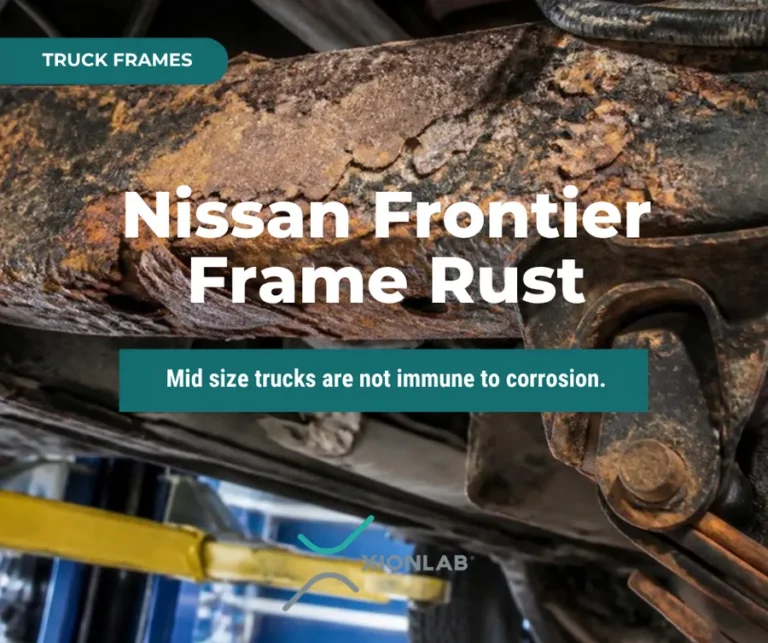
Time for some straight talk. A rust converter is not magic. It will not rebuild metal rust has already eaten through. If your panel has holes, or the steel flexes and crumbles under a screwdriver, no converter on any shelf fixes the problem. Perforated metal needs cutting, welding, or replacement. Full stop.
It also struggles on thick, scaly rust. Knock the scale down first. The converter has to contact a relatively sound rusted surface, not a loose crust sitting on top of more loose crust. And on bare shiny steel with zero rust, a converter has nothing to react with at all. Use a true primer there instead.
The rule of thumb — if you can see daylight through it, or push a tool clean through it, you are past the point a converter helps. Cut the section out and weld in fresh metal.
Brush, Roll, Or Spray: Getting The Coat Down Right
The converter can only do its job where it touches metal, so prep earns more of your attention than most weekend painters give it. Wipe the surface free of grease, dust, and old flaking paint. A degreaser and a clean rag go a long way here. Loose scale comes off with a wire brush or a coarse pad. You are not chasing bare shiny steel, just a sound, firm surface the chemistry can grab.
Application method comes down to the part. Flat panels love a foam roller. Bolts, brackets, and tight corners want a brush worked into every crevice. Big jobs, like a whole trailer frame, go faster with a sprayer, though overspray means masking and a respirator. Whatever the tool, keep the coat thin. A puddle dries slow on the outside and stays gummy underneath, which is the exact trap we keep warning about.
- Foam roller — ideal for broad flat panels and quick, even coverage.
- Brush — best for hardware, welds, seams, and anything with corners.
- Sprayer — fastest on large frames, but mask off and ventilate well.
Two thin coats almost always beat one heavy pass. Let the first flash to that blue-black before the second goes on. Then let the whole thing cure on its own clock, not yours. The metal sets the schedule. You just respect it.
Where XionLab Fits Into Your Project
2-in-1 Action
Converts rust and primes in a single coat, so a separate primer becomes optional on most jobs.
Water-Based Safety
Low odor, low VOC. Safer for you and the environment than harsh solvent converters.
Marine-Grade Hold
Built to fight salt spray and brine, the toughest corrosion conditions out there.
Paint-Ready Film
The cured surface accepts epoxy, oil-based primer, or oil enamel topcoats cleanly.
Easy Application
Brush, roll, or spray. No special gear beyond knocking off the loose flakes first.
Eco-Conscious
A formula designed around safety, in line with our founding promise since 2015.
XionLab built the 2-in-1 Rust Converter & Metal Primer to collapse two steps into one without giving up durability. Protecting a hull or a dock fitting? Pair it with the guidance in our marine corrosion protection resource for the harshest saltwater conditions.
How XionLab Stacks Against The Usual Names
Brand loyalty aside, here is a fair read. Corroseal works well for lighter surface rust, and plenty of folks like its single-coat convenience on small projects. Where XionLab pulls ahead is the water-based, lower-odor formula and the primer-grade finish ready for an epoxy or oil topcoat right out of cure. POR-15 builds a famously hard shell, but the prep is fussy and the fumes are strong enough to clear a garage. Our trade-off leans toward safer handling without surrendering the protection people actually need.
No single product wins every contest. For a perforated frame, none of them help one bit. For sound rusted steel you plan to prime and paint, XionLab keeps the job simple and the air breathable. The corrosion-control community, including standards bodies like AMPP, keeps stressing the same fundamentals we lean on. Clean surface. Correct sequence. Full cure.
One more regional note. Pacific Northwest readers fight constant damp rather than salt, and that gray, drizzly moisture stretches cure times more than most people expect when they plan a weekend project. Plan the extra day. Your finish will thank you for it.
Common Questions On Priming Over Rust Converter
Can you prime over rust converter the same day?
Usually no. Most converters need 24 to 48 hours to cure before primer. The surface can feel dry within hours while moisture still flashes off underneath. Prime too soon and you risk blisters.
Do you even need primer over a rust converter?
Often not. A quality converter like the XionLab 2-in-1 leaves a primer-grade film you can paint directly. Primer helps mainly on high-wear parts, pale topcoats, or coastal metal where extra film build buys longevity.
What primer works best over rust converter?
Epoxy primer leads the pack, especially for automotive and marine work. Oil-based and alkyd primers also bond well. Steer clear of latex and water-based primers, since water reactivates the polymer skin and causes peeling.
Can you use epoxy primer over rust converter?
Yes, and it is the strongest pairing available. Let the converter cure fully first. Then apply epoxy primer in two thin coats for a tough, long-lasting base under your topcoat.
Why is my primer peeling off the converter?
Two usual suspects. Either the converter never fully cured, or you used a water-based primer. Both leave a weak bond. Strip the loose primer, let everything dry, and re-prime with an epoxy or oil-based product.
How long after priming can I paint?
Follow the primer label, but most cure enough for topcoat in 12 to 24 hours. Cold or humid air extends the window. When in doubt, wait the longer stretch rather than the shorter one.
Can a rust converter fix rusted-through metal?
No. Converters stabilize surface rust on sound metal. They cannot rebuild steel rust has perforated. Holes and crumbling sections need cutting and welding or full panel replacement.
Is XionLab safe to use indoors?
Its water-based, low-VOC formula handles far better indoors than harsh solvent converters. Ventilate anyway, since good airflow is smart practice with any coating. Safer for you, safer for the environment stays the goal.
Ready To Stop Rust The Right Way?
Convert, prime, and protect in one step with the XionLab 2-in-1 Rust Converter & Metal Primer.