
No products in the cart.
How to Prevent Rust on Patio Furniture and Protect Your Outdoor Metal Furniture (2026 Guide)
April 1, 2026
By Xion Lab
Free Shipping
easy returns
secure paymentS
FAQ | MY ACCOUNT | SUPPORT
April 1, 2026
By Xion Lab
Stop rust before it starts — with the right materials, maintenance routine, and rust converter treatment for every outdoor metal surface.
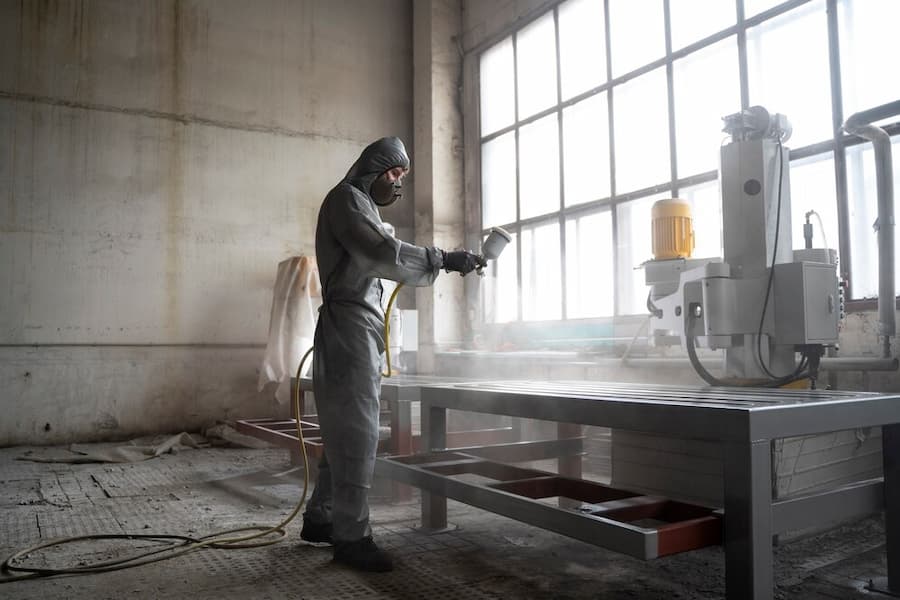
Quick Answer — To prevent rust on patio furniture, apply a rust-inhibiting primer before any topcoat, keep joints and welds sealed, dry surfaces after rain, and use quality covers during wet seasons. For frameworks already showing surface rust, a rust converter and primer chemically transforms iron oxide into a stable protective layer — so you treat rust rather than just paint over it.
The Problem
Your garden furniture sits in one of the harshest environments metal ever faces. Rain, humidity, UV exposure, temperature swings, bird droppings, fertilizer runoff — it all compounds. Rust doesn’t announce itself. It starts at a scratch, a welded joint, or a hairline chip in the coating. By the time you spot it, it’s already spread.
The chemistry is simple. Iron in steel reacts with oxygen and water to form iron oxide — rust. But exterior metalwork faces accelerated versions of this reaction. Salt air from the Gulf Coast or Pacific Northwest coastal zones supercharges the electrolytic process. Road salt spray in the Rust Belt (Ohio, Michigan, Indiana, Pennsylvania) bathes metal in a corrosive brine solution for months at a time. Even dry climates aren’t safe — the morning dew cycle in the desert Southwest hits metal repeatedly across temperature extremes.
According to AMPP (the Association for Materials Protection and Performance), corrosion costs the U.S. economy more than $450 billion annually — and a significant share stems from preventable surface rust on exposed metal. Rust doesn’t just look unsightly. It expands as iron oxide takes up more volume than the original metal, cracking paint and pushing apart welds from the inside. Left alone, a small surface spot becomes structural damage.
The good news? Prevention is straightforward once you know what you’re fighting.
Global annual corrosion cost — equivalent to 3.4% of world GDP, per AMPP’s IMPACT study. Up to 35% of that is preventable with proper surface protection practices.
Not all outdoor environments are equal. Coastal humidity — anywhere within roughly 50 miles of salt water — dramatically shortens the window before rust appears on unprotected steel. Salt acts as an electrolyte, pulling the corrosion reaction forward faster. A piece of bare iron exposed to humid salt air can develop visible rust in hours, not weeks. Salt wins every time.
But even landlocked ironwork takes a beating. High-humidity summers in the Southeast, freeze-thaw cycles in the Midwest, acid rain from industrial zones — all create conditions where iron oxide forms faster than most people expect. Sequence matters here. Small chips get wet. Moisture creeps under the coating. The rust spreads laterally below the paint surface before you see a bubble or blister.
Catch rust early and you have options. Miss it and you’re refinishing — or replacing. The most common early warning signs show up at these spots first.
Material Guide
Material choice is your first line of defense. Before diving into prevention routines, it’s worth knowing what you’re working with — because aluminum and powder-coated steel need very different care strategies.
| Material | Rust Resistance | Maintenance Level | Best Climate | Relative Cost |
|---|---|---|---|---|
| Cast / Wrought Iron | Poor — rusts readily when coating fails | High — annual recoating needed | Dry, low-humidity inland zones | Low–Medium |
| Powder-Coated Steel | Good — until the coating chips | Medium — touch-ups critical | Most climates with maintenance | Low–Medium |
| Galvanized Steel | Very Good — zinc layer sacrifices itself | Low — resists scratches better | Humid and coastal zones | Medium |
| Aluminum | Excellent — forms natural oxide barrier | Very Low — no iron, no rust | All climates including coastal | Medium–High |
| Stainless Steel 304 | Very Good — but can pit in salt air | Low–Medium | Inland and moderate coastal | High |
| Stainless Steel 316 | Excellent — marine-grade molybdenum alloy | Low | Coastal and marine environments | Very High |
Aluminum is the most practical rust-free choice for most homeowners. It has no iron content, so it genuinely cannot develop iron-oxide rust. What you’ll see on neglected aluminum is white oxidation — a different process, easily cleaned. For cast iron or steel furniture already in your possession, the right prevention routine and a reliable rust converter makes all the difference.
Of all corrosion damage is preventable using available best practices, per AMPP research — meaning most rust damage on outdoor metal is an avoidable maintenance failure, not an inevitable outcome.
Prevention Methods
These aren’t elaborate procedures. Most take an afternoon once or twice yearly, ideally at the start and close of the exterior-use season. But skipping any one of them — particularly the primer step — undoes the rest.
Paint alone doesn’t stop rust. Primer does. A zinc phosphate or rust-inhibiting primer creates a chemical barrier between the metal and moisture. Without it, paint simply seals moisture against the surface and accelerates the problem.
Three coats minimum. Apply primer in thin layers, letting each one dry fully. Then follow with three or more thin coats of exterior-grade metal paint. Thin coats prevent runs and deliver better adhesion than a single thick pass. This is one step where patience pays off.
Welds and joints are where rust starts first. The heat from welding burns off protective coatings, leaving bare metal. Water pools in crevices. Dirt and debris pack into seams. Run a bead of paintable silicone sealant along every weld seam and joint, then prime over it. Don’t skip this — it’s where furniture fails years before the flat sections show any problem.
Dirt holds moisture. Bird droppings are acidic and eat coatings fast. Clean metal garden furniture with warm water and a mild soap every few weeks during active season. Rinse well. Dry it thoroughly — wet metal left sitting is rust waiting to happen. A quick pass with an old towel after rain takes thirty seconds and adds years to the furniture’s life.
A breathable, waterproof furniture cover reduces moisture exposure dramatically. The key word is breathable — non-breathable plastic traps condensation against the metal surface, which actually accelerates rust. Look for covers with air vents at the bottom and a snug fit. Lift covers on dry, sunny days to let any trapped moisture escape.
Legs submerged in pooled rainwater corrode from the bottom upward — a creeping deterioration invisible from above. Rubber feet or furniture pads lift the contact point off wet decking or grass. Even modest elevation — half an inch or so — keeps ground dampness from wicking into the metal. This matters most in climates where standing water is common after heavy rain.
Don’t wait. A chip the size of a dime can develop visible surface rust within days in humid weather. Keep a small tin of matching exterior enamel for rapid spot repairs. Sand the bare spot lightly with 220-grit abrasive cloth, wipe off residue, apply a dab of primer, let it dry, then touch up with paint. Two minutes now versus a full refinishing job later.
Car paste wax works well on metal garden furniture. It creates a water-shedding hydrophobic layer — rain beads off rather than sitting on the surface. Brush it on once in spring before the wet season and again heading into fall. Buff to a light shine. Boiled linseed oil is another good option for wrought iron pieces — it penetrates the surface and cures into a hard, moisture-resistant film.
Standard exterior paints block moisture through a physical barrier — they seal, but they don’t electrochemically protect. Zinc phosphate primer works differently. Zinc acts as a sacrificial anode — it undergoes oxidation preferentially, drawing the electrochemical reaction away from the underlying ferrous substrate. Galvanic protection — the identical mechanism used in sacrificial anodes on vessel hulls — dramatically slows anodic dissolution of the iron beneath. When the film is scratched, zinc ions migrate toward the exposed area, offering cathodic protection to the surrounding zone. Without that sacrificial mechanism, bare scratches begin corroding almost immediately.
Phosphoric acid in many rust-inhibiting primers also converts residual ferric oxides at the substrate boundary into iron phosphate — a stable, adherent compound that bonds tightly to the metal face. This dual action (barrier plus electrochemical passivation) is why a proper primer outperforms three coats of decorative topcoat applied without it. Chalking, delamination, and blistering failures almost invariably trace back to inadequate or absent primer adhesion rather than topcoat failure. An alkyd resin primer creates an osmotic barrier by cross-linking into a microporous film that permits slight vapor diffusion without allowing bulk water ingress. Friable rust layers — particularly those showing intergranular fissuring — are especially vulnerable to hygroscopic moisture uptake, which is why mechanical abrasion before priming is non-negotiable on heavily weathered frames. The topcoat is aesthetic. The primer is the workhorse.
Rust Treatment
Prevention is ideal. But if rust is already present, a rust converter is far better than painting over it. I learned this the hard way with a pair of wrought iron bistro chairs I picked up at a flea market in Tampa — they had surface rust along every weld, about a quarter-inch of reddish-brown crust covering the lower frame. I wire-brushed the loose scale off and tried painting directly over what remained. Within a season, the rust came back through. The second time, I used XionLab’s 2-in-1 Rust Converter and Metal Primer. The difference was clear from the first brush stroke — the rusty areas shifted from orange-red to dark blue-black within about 20 minutes as the tannic acid reacted with the iron oxide.
That color change matters. Not cosmetic at all. The chemistry is converting ferric oxide (Fe₂O₃) into iron tannate — a dense, tightly cross-linked compound far more stable than rust. As the Canadian Conservation Institute has documented in metal preservation research, iron tannate creates a genuine molecular barrier at the rust interface, not merely a cosmetic cover. The converted surface doesn’t just look better — it behaves differently under a topcoat.
Rust converter works on surface and moderate rust. It won’t save perforated metal — once corrosion has eaten through the wall of the metal, there’s nothing left to convert. Structural failure means replacement, not treatment. Similarly, rust converter won’t work through heavy loose scale or intact old paint. Those barriers need mechanical removal first. Understanding what rust converter actually does prevents frustration and sets realistic expectations.
One more honest point worth raising — on deeply pitted cast iron, the surface after conversion may still feel rough. Sand lightly between primer coats to build up a smooth finish. Some pieces will look great. Others will show their age — and that’s fine. The goal is stability and protection, not perfection.
Critical Warning
Here’s what most rust guides never mention — once you start removing rust, you have to finish the job that same day. Don’t start wire-brushing on a Tuesday evening if you won’t have time to prime until the weekend.
Flash rust is real. Freshly exposed bare metal — stripped of its protective coating during sanding or wire-brushing — can develop a new layer of surface oxidation within hours. In humid coastal air or during summer months, this can happen before you even put your tools away. You’ve removed the old rust but created ideal conditions for fresh oxidation to appear immediately.
The solution is simple but strict — work start to finish in one session. Strip, clean, apply rust converter or primer, and seal the substrate before setting it down. As Bob Vila’s refinishing guide points out, even a brief pause between stripping and priming can undo hours of preparation work. Plan the session in advance. Have your materials staged. Work fast once the metal is exposed.
This is especially important for outdoor furniture projects started in high-humidity conditions. A foggy morning on the Gulf Coast is the wrong time to begin a refinishing job. Wait for a low-humidity day, ideally 40–60% relative humidity, with no rain forecast for 24 hours. Sequence is everything.
Regional Guide
The same furniture piece needs different care in Tampa versus Denver versus Seattle. Regional climate determines how aggressive your prevention routine needs to be — and how quickly neglect turns into damage.
Salt-laden air, high year-round humidity, and frequent afternoon storms make this the most demanding environment for metal outdoor furniture. Bare iron can develop visible rust within days here. Cover furniture during the wet season (May through October), apply paste wax twice a year, and inspect joints monthly. Galvanized steel or aluminum are the smart material choices for new purchases. For existing wrought iron pieces, an annual rust converter application at the joints before the summer rainy season is the most protective habit you can build.
Road salt spray is the villain here. Spring is the highest-risk season — the combination of salt residue from winter, heavy rain, and temperature swings creates ideal rust conditions. Wash furniture thoroughly in early spring to remove any salt buildup. Touch up chips before the spring rains hit. Store pieces indoors or under breathable covers from November through March. The freeze-thaw cycle pushes moisture into every crack and micro-chip in the coating.
Precipitation from October through May keeps metal frames saturated for extended stretches. So the emphasis here is drainage and drying. Furniture stored under a covered porch fares dramatically better than pieces left exposed on open decks. Check for standing water pooling around furniture legs after storms. Mildew can grow on furniture covers in this climate — choose breathable covers and air them out regularly. The relatively mild temperatures mean rust progresses more slowly than in the Southeast, but consistent moisture means it’s steady.
Low humidity means slower rust — but intense UV and extreme temperature swings crack paint coatings faster. A piece with chipped topcoat in Phoenix may not corrode quickly, but UV degradation exposes the metal. Apply UV-resistant exterior metal paint and recoat every two to three years. And during the monsoon season (July through September), treat this region more like the Southeast — rain arrives suddenly, standing water forms fast, and metal left unprotected takes a hit. Don’t be lulled by 11 months of dry weather.
The same chemistry principles apply to vehicle undercarriages and frames. Check our guide on rust converter for automotive protection for application techniques specific to car and truck metal surfaces.
Seasonal Care
End-of-season storage is your biggest annual opportunity to extend furniture life. And the effort is modest compared to the payoff.
Before storing, clean every piece thoroughly — remove dirt, bird droppings, and pollen. Let furniture dry completely in the sun for a full day before covering or stacking. Scan for chips, abrasions, and any oxidation spots. Touch up anything found before storage. Bare metal sitting under a tarp through winter is a rust incubator.
Stack or store pieces so air can circulate — don’t wrap them so tightly that condensation forms inside the cover. Use silica gel packets inside storage bins for small pieces. For sets left outdoors year-round, elevate pieces off wet ground, use breathable covers, and lift covers on dry sunny days once a month even in winter to prevent moisture buildup.
Spring startup matters too. Check everything. Don’t just drag furniture out and start using it. Spend 30 minutes on inspection — look at every weld, every joint, the underside of armrests and seat brackets. Catch anything small before summer heat accelerates it into a more extensive restoration job. A bit of abrasive, primer, and touch-up enamel in April saves a refinishing project in August.
XionLab Solution
XionLab was founded in 2015 with a single driving purpose — safer products for people and for the environment. The 2-in-1 Rust Converter and Metal Primer does two jobs in one application — converting active rust into a stable iron tannate compound while simultaneously priming the surface for topcoating. No need for a separate primer step.
Corroseal handles lighter surface rust adequately on flat sections. Where XionLab pulls ahead is in weld penetration and multi-surface performance — the formula is designed for the kind of irregular, hard-to-reach surfaces patio furniture actually has. Joints, crevices, curved iron legs — areas where a thin brush stroke needs to do real chemistry, not just deposit a film.
Tannic acid binds ferric ions in the oxidized layer, forming a cross-linked iron tannate matrix impermeable to further atmospheric attack.
Chemical conversion and adhesion priming delivered simultaneously — eliminating the separate primer step without sacrificing bond strength.
Aqueous formulation minimizes volatile organic compound (VOC) emissions — meeting stringent environmental standards without compromising efficacy.
Tested across humidity extremes — from Gulf Coast dewpoints above 75°F to high-salinity maritime atmospheres along tidal shorelines.
Bonds to cast iron, wrought iron, carbon steel, and galvanized substrate alike — accommodating the heterogeneous alloys found in mixed outdoor assemblies.
The chromatic shift from reddish-brown to deep blue-black is direct visual confirmation of successful chelation — no ambiguity about penetration depth.
FAQ
Can I prevent rust on patio furniture without repainting every year?
A periodic regimen of wax or sealant at biannual intervals — typically spring and autumn — combined with prompt repair of chips and a weatherproof cover during inclement weather, dramatically extends protection without annual recoating. Properly maintained frames typically hold their finish for three to five years.
What causes rust to appear faster on some furniture than others?
Several variables interact. A weldment in carbon steel creates a differential aeration cell at the joint, accelerating anodic dissolution far faster than adjacent flat sections. Thin factory coatings frequently have pinholes allowing chloride and sulphate ions to reach the substrate. Elevated dewpoint conditions — where condensate forms before the surface warms — extend electrolyte contact time dramatically each morning. Coastal acidity from halide-bearing sea spray disrupts passive inhibition layers almost immediately on bare iron.
Does rust converter actually work on heavily rusted patio furniture?
Yes, on surface to moderate rust. Remove loose scale with a wire brush first, then apply rust converter directly. The tannic acid reacts with iron oxide to form iron tannate — a stable compound. For very deep pitting or perforated metal, replacement or professional restoration is more realistic than chemical conversion. See our detailed breakdown of how rust converter works for specific scenarios.
Is it safe to apply rust converter to furniture used around children or pets?
XionLab’s formula is water-based and lower in VOCs than solvent-based rust converters. Apply in a well-ventilated area and allow full cure (24 hours) before allowing contact. Once cured and topcoated, the surface is inert. The tagline isn’t marketing — “Safer For You, Safer For The Environment” reflects the actual formulation choices behind the product.
How often should I reapply rust converter as a preventive treatment?
Rust converter is a treatment for existing rust, not a standalone annual maintenance product. For prevention, the right approach is primer, paint, and seasonal wax. If rust reappears at specific spots (like welds), treat those areas as they emerge rather than coating the whole piece annually.
What is the best rust prevention coating for coastal patio furniture?
For new purchases in littoral zones, aluminum or 316 stainless steel is the best material choice — both resist salt-air corrosion well. For existing iron or steel construction, a rust-inhibiting zinc-rich primer followed by marine-grade enamel paint offers the best protection. Apply wax or a spray protectant every season. And inspect weld seams every spring — salt air attacks those first.
Can I use automotive rust converter on patio furniture?
Generally yes — the underlying chemistry is the same. A 2-in-1 formula like XionLab’s works across automotive metal and outdoor furniture. The technique differs slightly. Outdoor furniture often has more intricate crevices and joints where a brush outperforms a spray. Read the automotive rust converter guide for a comparison of application methods by surface type.
Why does paint peel off rusted furniture even after cleaning?
Painting directly over rust — even lightly sanded rust — leads to failure. Rust continues to oxidize under the paint film, expanding and pushing the coating off from below. The fix is rust conversion before painting. Treat with a rust converter, let it cure, then prime and paint. That sequence breaks the cycle. Skipping the converter step is the single most common reason refinishing jobs fail within a season or two.
XionLab’s 2-in-1 Rust Converter and Metal Primer converts active rust and primes in one step — safer for you, safer for the environment. Works on patio furniture, automotive frames, gates, railings, and any ferrous exterior.
Safer For You, Safer For The Environment — XionLab, founded 2015