Rust converter
Rust Conversion for Home Improvement: A Homeowner’s Guide to Stopping Rust Cold (2026 Guide)
Quick Answer. Rust conversion for home improvement is the homeowner-friendly way to stop rust on outdoor metal — fences, railings, gates, gutters, patio sets, tools — without sandblasting or replacing the part. A 2-in-1 converter-primer turns flaky iron oxide into a stable, paintable film in one coat. Skip the bare-metal grind. Save the weekend.
Rust Conversion for Home Improvement: Why It Matters Around the House
Rust never sleeps, and the average homeowner sees its work everywhere — the lower hinge of the garden gate, the foot of a patio chair, a gutter strap behind the downspout. Rust conversion for home improvement gives you a chemical shortcut. You brush on a liquid, the orange flakes turn deep blue-black, and the metal is now primed and ready for paint. No grinder. Forget the sand. Skip the trip for a replacement panel.
And the stakes are bigger than they look. NACE International’s IMPACT study pegs the global cost of corrosion at roughly $2.5 trillion a year, about 3.4% of global GDP. The U.S. share alone runs over $276 billion in direct costs. A slice of that lives on your property — every rusted joint, hinge, and bracket compounds until something has to be cut out and welded back in.
Annual direct cost of corrosion in the United States, per NACE International / FHWA data — much of it preventable with timely chemical treatment.
So why convert oxidation instead of replacing the part? Three reasons. Cheaper. Faster. Lasting, when applied properly. The XionLab 2-in-1 Rust Converter and Metal Primer was engineered for exactly this — household-scale oxidation on real outdoor metal, aqueous chemistry, low odor, low VOC. One bottle. One pass. Finished.
This guide walks through reaction mechanics, prep procedures, application, a real Mobile, Alabama fence project, the dollars-versus-replacement math, and the honest limits. Pour a coffee. Read it through. Then go fix something.
How Rust Conversion Actually Works on Home Surfaces
Rust is iron oxide. Atmospheric oxygen plus humidity reacts with bare ferrous metal, producing the orange-brown crust climbing your railing. Left alone, oxide keeps growing underneath paint — lifting, flaking, devouring sound stock beneath. Conversion halts the electrochemical reaction by transforming the oxide itself into an inert compound.
Two acids do the heavy lifting in homeowner-grade converters — tannic acid and phosphoric acid. Peer-reviewed corrosion research compared the two head to head and found tannic-based films hold up better under salt-spray exposure. Here are the two acids in plain terms.
Tannic Acid — Deep and Patient
Tannic acid grabs ferric iron and locks it into ferric tannate — a blue-black film bonded to the steel beneath. It penetrates pitted rust, reaches chloride contamination from coastal air, and dries fast even in humidity. Slow chemistry, deep result.
Phosphoric Acid — Quick and Shallow
Phosphoric acid attacks the oxide and converts it to iron phosphate — an inert, slightly grey crust. Fast, cheap, easy. But it struggles with chloride-contaminated rust and tends to stay tacky in humid air. Great for clean shop rust. Less great for coastal fences.
Modern formulations marry the two. The XionLab blend uses tannic chemistry for depth and chloride tolerance, plus a binder that locks the converted film and primes it for topcoat. One pass. No second product.
The takeaway. A converter is not a magic eraser. It is a controlled chemical reaction. Stable oxide goes in. Stable, paintable film comes out — and the conversion is permanent so long as you topcoat within the recoat window.
Decide First: Convert the Rust or Strip It Down?
Not every rusted home surface wants a converter. Sequence is everything. Here is how the decision shakes out for typical household projects.
- Convert if the rust is surface to moderate and the metal underneath remains structurally sound. Common winners include fences, railings, patio furniture, tool handles, mailbox posts, downspouts, and lawn equipment.
- Strip and prime if the rust is light scale on flat sheet metal that disc-sands easily, or the project demands a show-quality finish like a restored vintage piece.
- Replace if the metal is perforated, structural integrity is compromised, or you can flex the section with your hand. A converter will not rebuild missing steel.
One honest caveat. Converters need real rust to react with. Spray it on bare steel and nothing happens — the film just sits there, doing very little. Spray it over a thick coat of grease and it sits on the grease instead of the oxide. Clean before chemistry. Always.
Want the full decision tree? Our companion piece on when to use a rust converter on metal walks through every common home scenario in detail.
Applying Rust Converter Around the House — Step by Step
Here is the workflow we recommend for almost any outdoor home metal project. Total active time on a small job — a fence panel or chair set — runs about two hours. Most of the wait is curing.
Step One — Inspect and Scope the Rust
Walk the piece. Tap suspect spots with a screwdriver handle. Solid metal rings. Hollow rust thuds. Mark anything flexing or sounding dead — those zones need patching or replacement, not conversion.
Step Two — Knock Off the Loose Stuff
Wire brush, drill-mounted cup brush, or a stiff bristle brush — your choice. Aim for loose flakes and big scale gone. Bare metal is not the goal. Stop when the surface stops shedding. A homeowner with a $30 drill brush hits this point in about five minutes per square foot.
Step Three — Clean the Surface
Wash with a mild detergent and water. Rinse. Let it dry. Skip the WD-40 or oil-based prep here — converters and oil do not mix.
Step Four — Apply the Converter
Brush, foam roller, or low-pressure sprayer. One thin, even coat. Watch the color shift from orange-brown toward deep blue-black within an hour. That visible change is the chemistry reacting — proof the film is forming.
Step Five — Cure, Recoat, Topcoat
Most water-based converters need at least 24 hours of full cure before topcoat. Some allow a recoat at the four-hour mark. Read the can. Once cured, paint with whatever finish you prefer — enamel, acrylic, or leave the converted black as-is on utility pieces.
Average product cost to convert and prime a 30-foot residential fence section using a 2-in-1 converter — versus several hundred to replace the panel.
A Real Gulf Coast Fence Job (And What I Would Do Differently)
Last spring, a friend living in Mobile, Alabama phoned about her wrought-iron perimeter fence. Salt air. Fifteen years of peeling enamel. Active oxidation along welds plus three inches creeping up from grade on each picket. She wanted everything gone before her daughter’s outdoor wedding in June.
We pulled into the driveway with two quarts of converter, a wire-brush kit, and a foam roller. About a quarter-inch of crusty scale flaked off the worst weld with just a couple minutes of scrubbing. Remaining oxide was thin and superficial — flaky but never deep.
Application consumed roughly three hours across the 80-foot run. Color-shifted from orange toward charcoal within 45 minutes. We returned the following morning and topcoated with satin black enamel. Total time invested — minus drying — equaled one afternoon of genuine elbow grease.
What would I tweak next time? Two items. First, renting a compact electric pressure washer would have spared us hours scrubbing 80 feet of pickets by hand. Second, laying old bedsheets beneath the fence prevents splatter staining the driveway concrete. Minor lessons. The finished perimeter held throughout the wedding and remains intact through a second sweltering Gulf summer.
Why this matters. Coastal corrosion adds 0.5 to 1% to a homeowner’s maintenance budget every year. A $25 converter job that prevents a $400 fence-panel replacement is not glamorous — but it is the math that keeps a salt-belt homeowner solvent.
Where Rust Conversion Wins Around the House
Some rust jobs are made for conversion. Others are not. Here is where this approach earns its place in a homeowner’s toolkit.
Wrought-Iron Fencing and Gates
Oxidation loves welds, picket bottoms, and any hinge or latch assembly. Converter applies cleanly with a slim artist’s brush — ideal for navigating intricate scrollwork without burning hours sanding curves.
Patio Furniture and Outdoor Frames
Tubular chair legs, table footings, umbrella bases. Corrosion concentrates wherever moisture pools after rain. Flip the chair. Sweep the underside. Convert. Finished.
Gutters, Downspouts, and Roof Flashing
Galvanized stock eventually loses its zinc coating. Once white powder yellows toward orange, active oxidation begins. Converter handles it without dismantling the gutter — apply from a ladder, then color-match topcoat to existing trim.
Tools and Lawn Equipment
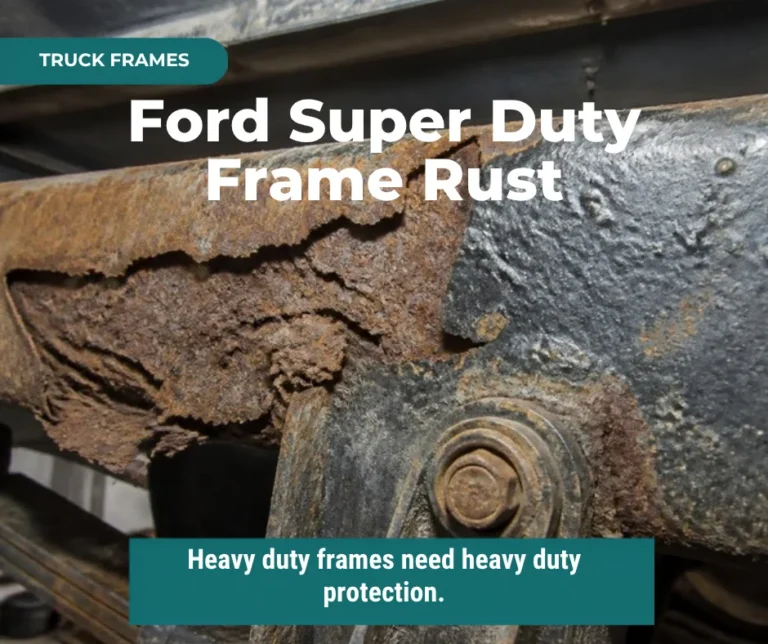
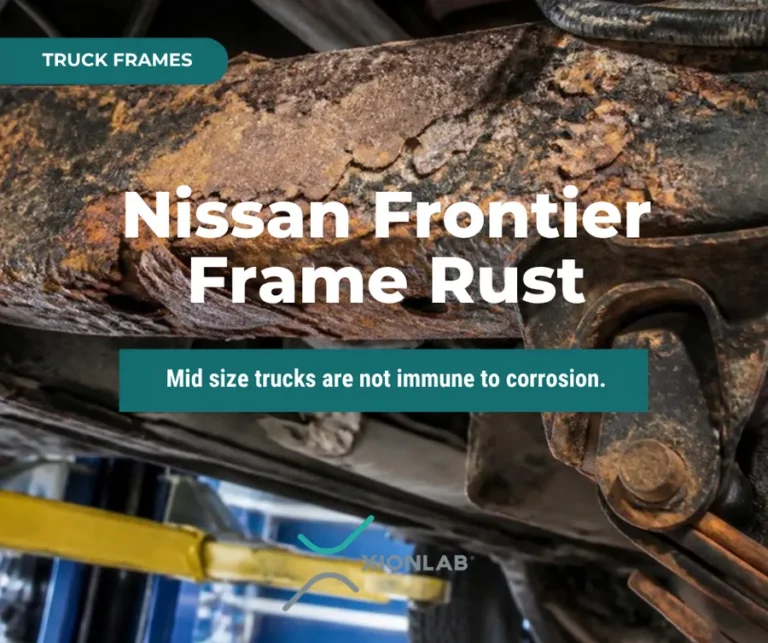
Mower decks, wheelbarrows, shovel sockets, axe heads. Anything residing outdoors or inside an unheated garage. Rust converter for automotive protection covers deeper edge cases like undercarriage members and chassis frames.
Mailbox Posts, Lamp Standards, AC Condenser Cages
Tiny steel objects nobody thinks about until they rust through. A pint of converter plus an artist’s brush handles a dozen such items inside a Saturday morning.
Rust Conversion by Region — Adapting to Your Climate
Geography drives chemistry. A homeowner in Boise faces a different oxidation pattern than one in Mobile, and ignoring that mismatch is how DIY projects fail by the second summer. Here is a quick regional read for matching technique to environment.
Northeast Salt Belt — From Maine Down Through Ohio
Winter brings calcium chloride, magnesium brine, and plow-tossed slush onto every driveway gate and porch railing. Chloride contamination penetrates oxide deeply, demanding a tannic-based chemistry. Apply during a dry spring stretch when overnight temperatures stay above forty. Reapply touch-ups each October before the first sleet arrives.
Gulf Coast and Florida — Heat, Humidity, Hurricane Spray
Year-round salty mist accelerates oxidation faster than almost any other climate inside the lower forty-eight. Wash the metal thoroughly before treatment, since dried salt residue blocks proper bonding. Plan applications around afternoon thunderstorms. A morning brush-on with overnight curing typically beats midday humidity spikes.
Pacific Northwest — Drizzle, Moss, Evergreen Shade
Constant moisture and shaded northern exposures encourage thin uniform oxidation rather than deep pitting. Surface preparation matters less here than drying time. Pick a dry July or August weekend, scrub organic moss away first, and allow generous overnight curing in unheated garages or under tarps.
Desert Southwest — Ultraviolet, Dust, Monsoon Bursts
Brutal UV degrades topcoat finishes before underlying conversion ever fails. Choose ultraviolet-resistant enamels. Avoid darker shades on south-facing fences, which absorb intense afternoon heat and accelerate film embrittlement. Brief July monsoons demand quick recoat windows.
Midwest Prairie — Temperature Swings and Hail
Wild thermal cycling stresses bonded coatings; expansion and contraction crack rigid paints faster than flexible elastomeric topcoats. Hail seasonally pits unprotected gutters and AC condenser cages. Schedule conversion projects between late April thaw and early October frosts.
One regional truth applies everywhere — neighbors gossip about which formulas actually held up. Ask around the cul-de-sac before settling on a topcoat brand. Local knowledge usually beats anonymous online reviews.
One bonus tip honest professionals share. Photograph hinges, brackets, latches, plus gateposts each spring equinox. Comparing year-over-year images reveals creeping oxidation earlier than memory ever could, granting weekend-warrior strategists time advantages worth dozens of saved hours.
Conversion vs Replacement: The Cost Math Every Homeowner Should Run
Homeowners spend between $4,000 and $22,000 a year on maintenance, depending on home age, size, and climate. That is roughly 1 to 4% of home value going to upkeep annually. Metal repairs are a slice of that — and they are one of the few categories where chemistry can drop the bill from hundreds to dollars.
| Home Project | Replace Cost | Convert Cost | You Save |
|---|---|---|---|
| 30-ft wrought iron fence panel | $300 – $800 | ~$25 product + 3 hrs | $275 – $775 |
| Patio furniture set (4 pieces) | $600 – $1,500 | ~$15 product + 1 hr | $585 – $1,485 |
| Galvanized gutter section (20 ft) | $200 – $400 | ~$10 product + 1 hr | $190 – $390 |
| Steel mailbox post | $80 – $200 | ~$8 product + 30 min | $72 – $192 |
| Lawn mower deck | $150 – $400 (new deck) | ~$10 product + 1 hr | $140 – $390 |
Run the numbers across a typical year of household maintenance. A homeowner with a fence, a patio set, two gutter sections, and a mower can save four figures with two quarts of converter and a couple of weekends. And the labor is low-skill — anybody who can hold a paintbrush can do this.
The catch? Converter only works on real corrosion. So time it right. The moment you see orange creeping in, that is the day. Wait six months and you may be replacing the panel anyway.
Why a 2-in-1 Converter Saves the Weekend
Traditional rust treatment goes like this — sand, neutralize, prime, paint. Four products. Four wait windows. A whole Saturday gone before you have touched a topcoat. A 2-in-1 converter collapses the middle two steps into one. That is hours back, and it is fewer cans on the garage shelf.
One-step chemistry
Tannic-based converter and metal primer in a single coat. No second product. No separate primer step.
Water-based, low VOC
Soap-and-water cleanup, no respirator needed for small homeowner jobs, safer for kids and pets.
Salt-belt tested
Designed for chloride-heavy environments — Gulf Coast, Northeast salt belt, Pacific Northwest fog.
Paintable in 24 hrs
Topcoat with enamel, acrylic, or latex. Or leave the deep black as-is on utility metal.
DIY-friendly packaging
Pint and quart sizes mean no leftover commercial drums. Buy what you need for the project.
Terra Care certified
Non-toxic, biodegradable formula independently verified by the Terra Care environmental standard.
And here is the honest competitive read. Corroseal works fine on lighter surface rust and has a long track record. Permatex Rust Treatment is solid for tight automotive crevices. Where XionLab pulls ahead is the combination of chloride tolerance, water-based safety, and single-coat coverage — the three things a coastal or salt-belt homeowner actually needs.
What Rust Conversion Will Not Do for Your Home
Time for the part most product pages skip. Conversion is a great tool — and a terrible one if you point it at the wrong job. Below are the honest limits every homeowner deserves to hear before opening a can.
- It will not rebuild perforated metal. If you can poke through with a screwdriver, the part is past saving. Cut and weld, or replace.
- It will not stick to bare clean steel. The chemistry needs oxide to react with. Convert rust, then prime fresh patches separately.
- It will not survive oil contamination. Degrease first. Always. Skip this step and you will be stripping the failed coating back off next year.
- It will not give a show-quality finish on its own. The converted film is matte black and slightly textured. Topcoat for cars, furniture, anything visible.
- It will not solve a galvanic-corrosion problem. If aluminum is in contact with steel and feeding the rust, fix the joint design, not the symptom.
Salt wins every time when you let it sit. The honest rule — converter catches rust early, not late. Walk your property every spring. Look at the joints. Catch the first orange. That is the day a quart of converter beats a $1,000 replacement bill.
Want the deeper science? Our science of rust converters and primers piece walks through what AMPP and Corrosionpedia say about long-term film performance.
Rust Conversion for Home Improvement: FAQ
Yes — and frankly, coastal furniture is one of the best use cases for it. Salt air pulls chloride into rust faster than inland air, so a tannic-based converter with chloride tolerance is your best friend. Just remember to clean off salt residue with fresh water before applying.
In a sheltered location, five to ten years before you need to reassess. In Gulf Coast sun and salt, three to five years is realistic. Annual touch-ups at high-wear spots — gate hinges, fence bottoms — extend the life considerably.
No. Knock off loose, flaking paint and scrub away anything that is lifting. Sound, well-bonded paint can stay. Converter goes on the exposed rust and feathers into the surrounding paint cleanly.
Both work. Brush is best for vertical surfaces and small jobs. Low-pressure HVLP or pump sprayer is faster for large areas. Skip the high-pressure airless on water-based converter — it tends to mist and you waste product.
A light mist within the first hour will not ruin a water-based converter, but a hard rain will. Check the forecast. Most water-based formulas need four hours minimum to set up rain-resistant. Plan around the weather.
Water-based, low-VOC converters are far safer than solvent-based alternatives. Keep kids and pets off the wet surface until cured. Cover plants directly below an application area. Soap and water cleans up tools and any drips.
Yes, with caveats. Water-based converters have low odor and minimal VOCs, so interior use is fine. Ventilate during application and curing. And confirm the column is structural rust on the surface, not internal — interior rust on load-bearing steel needs an engineer’s eye.
Latex, acrylic, oil-based enamel, alkyd — they all bond well to a properly cured converter film. Match the paint to the application. Enamel for high-touch metal. Latex for fences. Marine-grade for salt-spray zones.
Ready to Convert the Rust Around Your Home?
Stop replacing what you can save. XionLab 2-in-1 Rust Converter and Metal Primer turns home-improvement rust into a sealed, paintable surface in one coat. Water-based. Low odor. Built for fences, furniture, gutters, tools, and every other outdoor metal job a homeowner actually faces.