Rust converter
How Rust Converters Work (2026 Guide): The Real Chemistry Behind the Color Change
How Rust Converters Work (2026 Guide) — The Real Chemistry Behind the Color Change
The tannic-acid reaction, the black ferric-tannate film, and how to get a converter to actually bond to metal — explained without the lab-coat jargon.
Quick answer. A rust converter works by reacting an acid — usually tannic or phosphoric — with the iron oxide on a metal surface. The reaction binds the loose red rust into a stable black film, either ferric tannate or iron phosphate, and the film seals out moisture and accepts paint. The orange-to-black shift you see is simply the chemistry finishing its job. Most converters cure in about a day.
The Short Version
What a rust converter actually does
People picture a rust converter as a cleaner. It is not. A converter does not strip rust off, scrub it away, or dissolve it down to bare steel. It does something stranger. It takes the rust already sitting on your metal and changes what the rust is at a chemical level, locking the corroded iron into a tough, inert film you can paint right over.
Red rust is the enemy here. It flakes. It holds water against the steel like a sponge, and it keeps the corrosion spreading underneath whatever coating you slap on top. A rust converter walks in and rewrites the surface chemistry, swapping the crumbly red oxide for a dense black layer with very different manners. The new layer stays put. It repels water instead of trapping it.
So why does any of this matter to you, standing in a garage with a rusty trailer fender? Because skipping the conversion step is the number-one reason fresh paint bubbles and lifts within a season. Paint over active rust and the rust keeps eating. Convert it first, and you have given the paint something stable to grip.
The estimated annual global cost of corrosion, roughly 3.4% of world GDP, according to the NACE International IMPACT study. Most of it is preventable with timely treatment.
The Chemistry
Tannic acid, phosphoric acid, and the black film
Two acids do most of the heavy lifting in the converter world. They behave differently, and knowing the difference tells you a lot about what your bottle will and will not handle.
Tannic acid, the deep one
Tannic acid is the same family of compound found in oak bark and strong tea. Pour it onto rust and it hunts down the iron ions locked in the oxide. It grabs those Fe³⁺ ions and binds them into ferric tannate, a bluish-black compound, hydrophobic enough to bead water right off. The reaction reaches down into pitted, scaly rust rather than skimming the top. Researchers studying phosphoric and tannic acid converters have measured how this chelation locks corroded iron into a far more stable state.
Phosphoric acid, the fast one
Phosphoric acid takes a blunter route. It attacks the oxide directly and converts it into iron phosphate, written FePO₄, a hard inert layer. Phosphoric works fast and shallow. Light surface oxide on a tool handle responds beautifully to it. Deep scale? Less so. The acid runs out of patience before it reaches the bottom of a thick rust pocket.
Many of the better products, including the XionLab 2-in-1 converter, lean on tannic chemistry plus a bonding polymer so the result is both deep-reaching and ready for topcoat. Want the full molecular walkthrough? Our companion piece on the science of rust converters and primers goes deeper than we can here.
- Tannic acid → ferric tannate. Deep, slow, hydrophobic. Loves heavy scale.
- Phosphoric acid → iron phosphate. Fast, shallow, crisp. Loves light oxide.
- Bonding polymer → the glue. It locks the new film down and gives paint a key.
The Color Change
Why orange turns to black
The color shift is the part everyone watches for, and it is genuinely useful feedback. When you brush a tannic converter onto orange rust, the surface darkens within minutes. Inside an hour or two it has gone deep purple-black. That darkening is not a dye or a stain. It is the visible signature of ferric tannate forming where red iron oxide used to be.
Think of it as a progress bar. Orange means raw, reactive rust. Black means the reaction has done its work and the iron is now locked into the stable film. Patches staying stubbornly rust-colored are telling you something too — usually they were too thick, too greasy, or too dry for the acid to bite. Hit those again.
And here is the honest caveat people forget. A flawless black coat does not mean the metal underneath is sound. Conversion changes the rust. It cannot rebuild steel the rust already ate through. More on the limit below.
Watch the edges and the deep pits closely. Those spots react last, because the acid has the most oxide to chew through right there. Give a thick scaly patch a second coat once the first has darkened, and you will usually catch the last orange streaks finally surrendering to black. Stubborn, but beatable. The reward for a little patience is a film bonded all the way down, not just skinned over on top.
Field tip. If the film dries to a chalky, powdery gray instead of a glossy black, you applied too much. Wipe it back, thin your next pass, and let humidity do its work. Ferric tannate likes a little moisture in the air to cure right.
Converter vs Remover
A converter is not a remover
This trips up half the people buying their first bottle. A rust remover dissolves rust and hands you back bare metal, which then needs immediate priming or it flash-rusts in hours. A rust converter keeps the rust in place and transforms it. Two opposite philosophies. We break the whole decision down in our guide to rust converter vs rust remover, but here is the short table.
| Trait | Rust Converter | Rust Remover |
|---|---|---|
| What it does | Transforms rust into a stable film | Dissolves rust off the metal |
| Surface left behind | Black, paintable, sealed | Bare metal, flash-rusts fast |
| Best for | Painted projects, structural rust | Restoring to bare steel, tight tolerances |
| Prime needed after? | Often built in | Yes, immediately |
| Speed | Cures in about 24 hours | Soak time, then rinse |
How do the big names stack up? Corroseal works well on lighter surface rust and has earned its reputation. Where XionLab pulls ahead is on scaly, weathered, real-world rust and on the cleanup side — low odor, water-based, no harsh fumes filling the garage. Both convert. The gap shows up on the ugly jobs and in how your lungs feel afterward.
One more practical wrinkle worth knowing. Removers need somewhere for the dissolved rust to go, which usually means a soak tank or a whole lot of rinsing, so they shine on small parts you can fully submerge. Converters go to work right on a vertical frame rail or a fender nobody could ever dunk in a bucket. For big awkward pieces still bolted to a vehicle, brush-on convenience wins on sheer practicality. Pick the tool the job actually allows.
Honest Limits
Where converters win, and where they don’t
Let me be straight with you, because too many product pages will not. A converter is brilliant at one thing and useless at another, and pretending otherwise gets people burned.
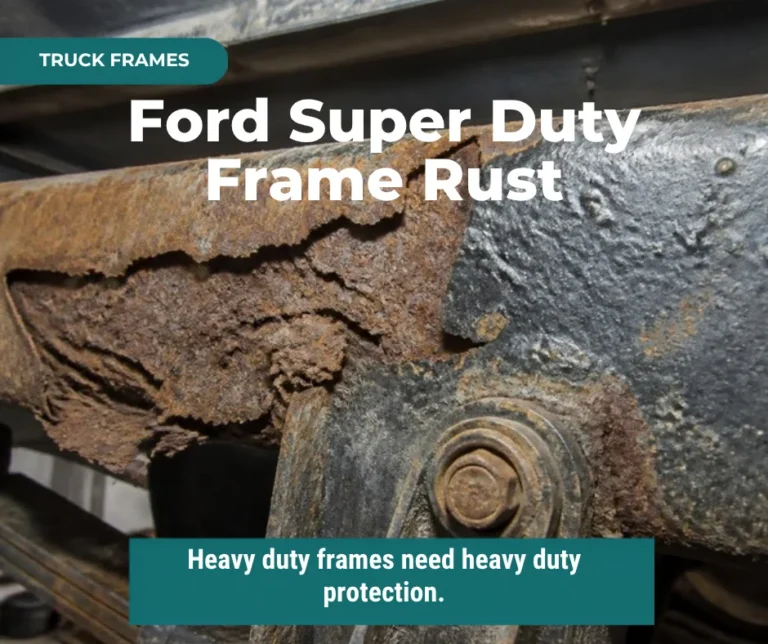
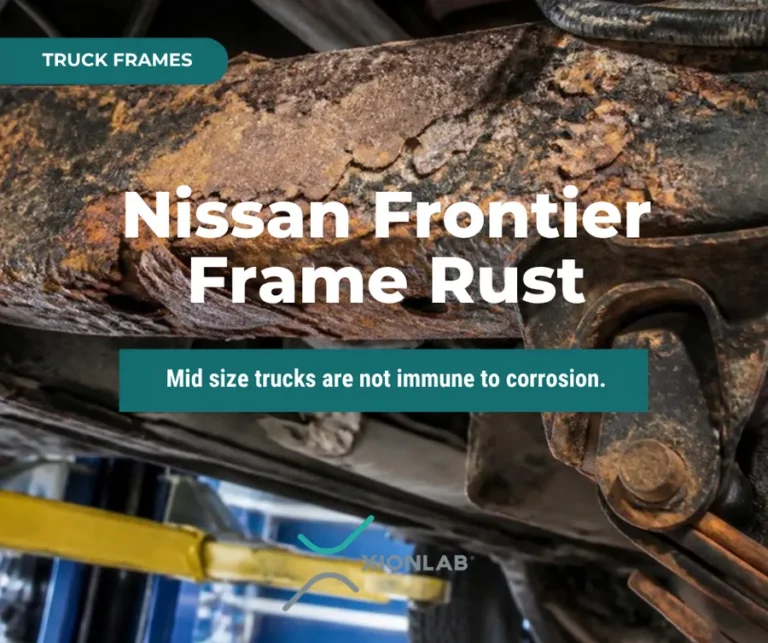
It wins on solid metal carrying surface-to-moderate rust. Fences, frames, fenders, fuel tanks, farm equipment, the underside of a truck living through salt-belt winters. On all of that, conversion buys you years.
It loses on perforated metal. If rust has eaten clean through and you can poke a screwdriver into a hole, no converter on earth fixes it. The chemistry changes oxide into film. It does not add back the steel rust carried off. Perforated panels need cutting out and welding, full stop. A converter on a hole just gives you a black-rimmed hole.
Regional reality matters here. On the Gulf Coast, salt air and humidity drive corrosion year-round, so converters get a workout and need a quality topcoat over them. In the northern salt belt, road brine attacks from below — undercarriages, brake lines, frame rails. Pacific Northwest damp is slower but relentless. Match your expectations to your zip code.
What U.S. drivers spend every year repairing rust damage from road salt and de-icers, per AAA research. Catching rust early with conversion is far cheaper than bodywork.
Surface Prep
Prep decides everything
You can buy the best converter made and still fail if the surface is wrong. Sequence is everything. The acid needs to touch actual rust, not grease, not loose flakes, not a film of old wax. Our full walkthrough on surface preparation for rust treatment covers edge cases, but the core is simple.
Knock off the loose stuff first. A wire brush or a coarse pad takes the flaky, crumbling rust down to the rust still clinging to the metal. You are not chasing shiny steel. You want firm rust the acid can react with. Then degrease. Any oil or silicone will block the reaction cold.
Here is where I will tell on myself. A couple winters back I rushed a converter onto the rear cross-member of my old Tacoma here in coastal Carolina without degreasing properly. Road grime, a little chain lube overspray, who knows. The converter beaded up and skated across maybe a quarter of the surface, drying patchy and gray. I had to scuff it all back and redo it the next weekend. Lesson paid in full. Clean metal. Every time.
- Step one. Knock off loose, flaking rust with a wire brush or coarse pad.
- Step two. Degrease thoroughly. Oil and silicone kill the reaction.
- Step three. Let it dry. Damp is fine for curing later, but apply to a clean dry surface.
- Step four. Apply thin. Two thin coats beat one thick gloopy one every time.
How XionLab Helps
What sets the XionLab 2-in-1 apart
XionLab built its converter around a simple idea. Most people want one bottle, one pass, and a surface ready to paint — not a chemistry set. So the formula converts rust and lays a primer in a single step.
Two jobs, one coat
Converts rust and primes the surface in a single application. No separate primer pass.
Water-based, low odor
No eye-watering solvent fumes. Safer for you, safer for the environment — and for your garage.
Deep tannic action
Reaches into scaly, pitted rust instead of skimming the surface like fast-shallow phosphoric blends.
Paint-ready finish
The cured black film takes topcoats cleanly. Brush, roll, or spray over it once dry.
Brush, roll, or spray
Flexible application for fenders, frames, fences, and tanks alike. Your call, your tools.
Backed by support
Real humans answer the phone at 888-306-2280 when your project throws a curveball.
Need it for a vehicle specifically? Our notes on rust converter for automotive protection cover frame rails, wheel wells, and the spots road salt loves most.
Longevity
How long does the protection last?
Honest answer? It depends on three things — the rust you started with, the topcoat you sealed it under, and the climate your project lives in. A converted-and-painted fence panel sitting in a dry inland yard can shrug off corrosion for the better part of a decade, while the same treatment on a boat trailer dunked in brackish water twice a month might give you two or three solid seasons before the high-wear edges start asking for a touch-up. Same product. Wildly different lifespan.
Bare converter, with no topcoat over it, is the short game. The black film resists moisture, sure, but sunlight and abrasion grind it down over time. Months, not years. Seal it.
The XionLab approach stretches the timeline because the 2-in-1 leaves a primed surface ready for a durable finish coat the same day. One pass, then paint. The longer the paint film stays intact, the longer the metal underneath stays quiet and rust-free. Re-inspect your high-salt spots each spring and spot-treat anything fresh. Small touch-ups beat full redos.
Painting Over
Can you paint over a converter?
Yes, and you should. The whole point of converting rust is to reach a stable, paintable surface, then seal it. A bare converted film will hold up for a while on its own, but a topcoat is what gives you years instead of months. We dig into timing and compatibility in our piece on whether you can paint over rust converter.
Give the converter its full cure first. Rushing topcoat onto a film still reacting underneath traps moisture and causes adhesion trouble. Most formulas want roughly 24 hours, sometimes 48 in cool damp weather. Patience pays. Then prime if your converter was not a 2-in-1, and finish with whatever enamel or urethane suits the job.
One quick checklist before the brush comes out.
- Film is uniformly black, not patchy orange.
- Surface is fully cured and dry to the touch.
- No chalky powder — wipe any back before painting.
- Topcoat is compatible with the converter base.
FAQ
Frequently asked questions
How long does a rust converter take to work?
The visible color change starts within minutes and deepens over an hour or two. Full chemical cure, the point where the film is hard and ready for topcoat, usually takes about 24 hours. Cool or damp conditions can stretch it to 48.
Does a rust converter stop rust permanently?
It stops the rust it converts. The film it creates blocks moisture and halts that corrosion. But fresh damage, scratches, or chips can let new rust start, which is why a topcoat over the converter matters so much for long-term protection.
Can I use a converter on perforated or rusted-through metal?
No. A converter changes rust into a stable film, but it cannot replace steel that rust has eaten clean through. Holes and paper-thin panels need cutting out and welding. Use a converter only on metal still solid enough to hold a coating.
Do I need to remove all the rust first?
Remove the loose, flaking rust, yes. But leave the firm rust still bonded to the metal — exactly what the acid reacts with. Strip it down to bare steel and you have nothing for a converter to convert.
What is the black layer a converter leaves?
With tannic-based products it is ferric tannate, a hydrophobic bluish-black compound. With phosphoric products it is iron phosphate. Both are far more stable and inert than the red oxide they replaced, and both accept paint.
Is XionLab safe to use indoors or in a closed garage?
XionLab is water-based and low-odor, which makes it far more pleasant to use in enclosed spaces than harsh solvent blends. Ventilation is always smart, but you will not be choking on fumes. Safer for you, safer for the environment.
Why did my converter dry gray and chalky instead of black?
Usually too thick a coat, or not enough rust to react with. Wipe the chalky residue back, apply a thinner pass, and make sure you are working on genuine rust rather than already-clean metal.
Converter or remover — which should I pick?
Going to paint the piece? Reach for a converter. Restoring to bright bare metal with tight tolerances? A remover fits better. For most fences, frames, and vehicle work headed for a topcoat, a converter wins on time and durability.
Ready to stop rust the easy way?
One bottle converts rust and primes in a single coat. Water-based, low odor, and built for real-world corrosion.
XionLab — Safer For You, Safer For The Environment