
No products in the cart.
Your A to Z Guide to Rust Formation and Prevention (2026 Guide)
May 13, 2026
By Xion Lab
Free Shipping
easy returns
secure paymentS
FAQ | MY ACCOUNT | SUPPORT
May 13, 2026
By Xion Lab
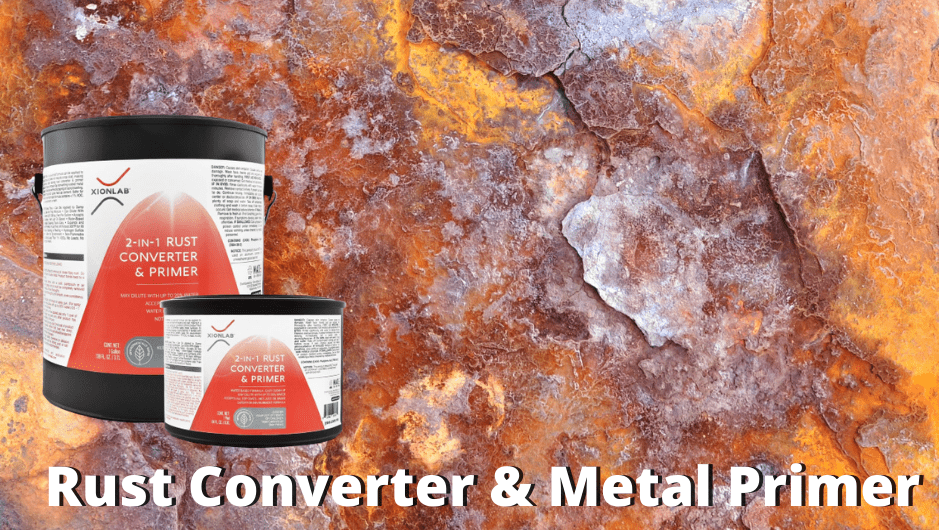
Quick Answer: Rust forms when iron, oxygen, and water meet on bare metal and trade electrons in an electrochemical reaction. Stop one of those three ingredients — or convert the oxide already there into a stable layer with a product like XionLab’s 2-in-1 Rust Converter — and corrosion halts before it eats through.
Rust is iron returning to its natural state. Iron ore came out of the ground as oxide. Smelting forced it into pure metal. Air and moisture pull it back. So the planet is, in a sense, just reclaiming what was borrowed.
The mechanism is electrochemical. On a bare steel surface, micro-cells form — tiny anodes where iron gives up electrons, and tiny cathodes where oxygen and water accept them. According to the chemistry literature, the iron ions then bond with hydroxide to form iron hydroxide, which dehydrates into the familiar reddish-brown iron oxide we call rust.
And here is the cruel part. Rust is porous. Water and oxygen pass through it. So the reaction keeps going underneath the visible bloom, which is why a small flake can hide a thumb-sized crater. Surface rust is rarely just surface rust.
Annual global cost of corrosion — roughly 3.4% of global GDP, per the NACE/AMPP IMPACT study.
Remove any one and the rust reaction stalls. Field reality complicates the picture, but the chemistry rule holds.
Chloride ions act like a turbocharger. Salt does not cause rust on its own. But it shuttles water and ions into microscopic pits, accelerating the reaction by an order of magnitude. Coastal homeowners and Midwest salt-belt drivers know this in their bones.
Not every metal object is equally exposed. Climate, design, and use case all shift the risk curve. Knowing the high-probability zones helps you spend prevention dollars where they matter.
Patio furniture sitting on damp slate. Garden tools left out after a hose-down. Fence posts cemented into wet soil. HVAC condenser coils sweating all summer. Gutter brackets and downspouts where water lingers a half-second too long. Each one is a slow rust factory.
Cars are rust’s playground. Rocker panels, wheel wells, frame rails, exhaust hangers, brake lines — anywhere salt spray collects. A 2026 vehicle in Buffalo can show frame perforation by year seven if the underbody never gets washed. The same model in Phoenix might look new at fifteen.
Salt air does not need a road to deliver damage. Boat trailers, dock hardware, outdoor grills, and even window screens within a mile of the Gulf or Atlantic coast take a beating. Stainless 304 will tea-stain. Stainless 316 holds up better but is not bulletproof. Our marine corrosion treatment guide walks through coastal-grade prep in detail.
Refineries, water-treatment plants, pulp mills, mining operations — these run inspection cycles measured in days, not years. The economics demand it. A burst pipe in a chemical plant costs more than a decade of painted prevention. AMPP publishes detailed standards for these environments because the cost of failure is measured in lives, not just metal.
Of corrosion cost is preventable through known practices — equating to $375–875 billion in global annual savings if applied widely (NACE/AMPP IMPACT).
Catching rust early is the difference between a 20-minute treatment and a panel replacement. Most people miss the first stage because it looks like dust. So train your eyes for the subtle stuff.
Tap suspect spots with a screwdriver handle. Solid steel rings. Rust-thinned metal thuds. Run a fingernail across a stain — if it lifts powder, the oxidation is still loose. If it feels glassy, it has hardened into a more stable form. Sequence is everything.
And do not skip the underside checks. Most rust starts where you cannot easily see it. Truck frames, the back of patio chairs, the hidden seams of grill carts — these are where corrosion lives rent-free.
No single method works everywhere. The best prevention stack layers two or three approaches. Salt wins every time if you only put up one defense.
Every coating, converter, or primer fails without clean prep. Loose rust, oil, mill scale, old paint — all of it must come off. Sandblasting, wire-wheeling, sanding to bare metal, then degreasing with a solvent wipe. Our surface preparation guide walks through tool grades and abrasive choices.
Converters use tannic or phosphoric acid to react with iron oxide and form a stable iron tannate or iron phosphate layer. The black, inert film locks in what was already there and creates a paintable base. XionLab’s 2-in-1 formula combines conversion with a built-in primer, eliminating one of the application steps that often gets skipped.
Paints, epoxies, polyurethanes, and zinc-rich primers each have a role. Epoxies excel where chemical exposure is heavy. Polyurethanes hold color and UV resistance outdoors. Zinc primers offer sacrificial protection on bare steel. Match the coating to the threat.
Hot-dip galvanizing dunks steel in molten zinc. The zinc layer corrodes preferentially, sparing the steel underneath. G185 or heavier coatings are standard for coastal framing. Galvanized fasteners on a non-galvanized panel will create a galvanic couple, so match materials at joints.
Stainless steels, weathering steels like COR-TEN, and aluminum each resist rust differently. Stainless forms a self-healing chromium oxide layer. Weathering steel forms a stable patina that slows further corrosion. Aluminum oxidizes into a tight, protective skin. Picking the right alloy at design time pays back for decades.
Dry storage matters more than people think. Indoor humidity below 50% slows rust dramatically. Silica gel packets in toolboxes, dehumidifiers in basement workshops, vapor inhibitor papers in long-term storage — all proven. A dehumidified garage can extend a stored vehicle’s rust-free life by years.
Light machine oil on hand tools, paste wax on cast-iron tabletops, vapor-phase corrosion inhibitor (VCI) sheets for shipped goods. None replace coatings on outdoor structures, but each fills a niche where paint is impractical.
Pro tip: Layer your defenses. Clean prep + converter + primer + topcoat beats any single product. The stack matters more than the brand.
Each method has a sweet spot. The table below maps cost, durability, and best use so you can pick the right tool before the rust shows up.
| Method | Best For | Typical Life | Relative Cost |
|---|---|---|---|
| Rust Converter + Primer | Existing surface rust on steel | 5–10 years under topcoat | Low |
| Hot-Dip Galvanizing | New structural steel, coastal use | 25–75 years | Medium |
| Epoxy Coating | Industrial floors, chemical exposure | 10–20 years | Medium-High |
| Polyurethane Topcoat | Outdoor furniture, autos | 5–15 years | Medium |
| Stainless 316 | Marine fasteners, food contact | 30+ years | High |
| Cold Galvanizing Spray | Touch-ups, fasteners | 2–5 years | Low |
| Oil & Wax | Hand tools, indoor cast iron | Months | Very Low |
A few summers back I helped a friend in Pensacola redo a wrought-iron fence around his backyard pool. The salt air there had chewed through the original powder coat in about four years. We pressure-washed the fence on Friday, let it dry overnight in a stiff breeze off the gulf, and pulled out the wire wheels on Saturday morning.
The fence had two distinct zones. Sections facing the water showed deep brown scale flakes about a quarter-inch thick in places. Sections facing the house had a powdery orange dusting and not much else. Same fence, two different prevention problems.
We knocked off the loose scale with a needle scaler, then went over everything with 60-grit flap discs. After a solvent wipe, we brushed XionLab 2-in-1 onto the worst sections first. The film turned from orange to a dull black within about forty minutes. Two coats on the bad zones, one coat on the lighter ones. Topcoat went on the next morning after the manufacturer’s recoat window opened.
Three years later, the friend sent me a photo. Still solid. The takeaway? Sequence matters more than product. Even a great converter cannot rescue bad prep. And gulf-coast salt punishes shortcuts faster than any other regional climate I have worked in.
XionLab makes a 2-in-1 rust converter and metal primer because that combination removes the gap where most DIY jobs fail — the wait between converter and primer. Many converters leave a fragile film that can flash-rust in humid air before primer goes down. The 2-in-1 chemistry locks in the conversion layer and the primer in one application.
Penetrates loose oxide and converts it to a stable iron tannate film on contact.
No separate primer step; topcoat-ready once cured.
Low VOC, easy cleanup, safer for indoor and family-use projects.
Black film typically appears within 30–60 minutes under normal conditions.
Works on steel, iron, fencing, vehicles, agricultural equipment, and tools.
Engineered to be safer for users and gentler on the environment than acid-heavy alternatives.
Corroseal works well for lighter surface rust and has a long track record in marine refits. Where XionLab pulls ahead is heavier rust pockets and the saved step from the built-in primer — fewer windows for flash-rust to creep in between coats. Permatex Rust Treatment is solvent-based and cures fast, but the chemistry can be tougher on cured paint nearby. Each product has its lane. Pick what matches your prep level and your topcoat plan. Our rust converter science deep-dive goes deeper on which chemistries play well together.
Most failed rust jobs trace back to the prep stage, not the chemistry. Here is the sequence we use on real surfaces, from a backyard gate to a tractor frame.
One coat. Done? Not usually. Two coats give you a real safety margin. Our application walkthrough covers the full process with timing and tool notes.
Prevention is not a miracle. A converter cannot rebuild metal it never touched. Cracked welds, perforated panels, and structural rust still need cutting, patching, or replacement. We have seen too many people brush converter onto a paper-thin rocker panel and hope for the best — only to push a finger through it the next month.
And no coating outlasts physical abuse. Trailer decks scraped by gravel, snow-plow blades grinding steel, salt-truck spreaders cycling daily — these strip protection faster than chemistry can hold. Choose abrasion-rated systems where wear is the dominant load.
Stainless steel is also not rust-proof. It is rust-resistant. Crevice corrosion, chloride pitting, and galvanic coupling can all attack stainless in the right conditions. Marine 316 lasts longer than 304, but neither escapes neglect on a Florida dock.
Repeat rust is rarely the product’s fault. So track the cause before reordering. The four reasons we see most often are below.
Loose scale or mill oil left on the surface kills adhesion. The coating peels in sheets, usually within the first wet season. Fix: strip back and redo with proper abrasive media.
A water-based converter on cured oil-based paint will bead and bead and never bite. Match chemistry to surface. Bare metal first, every time.
Lacquer over an uncured epoxy primer can wrinkle and lift. Always check recoat windows and chemistry stacks before pulling a topcoat from the shelf.
Some environments simply outpace standard systems. Coastal splash zones, swimming-pool decks, fertilizer storage, and salt-truck spreaders all need industrial-grade specs, not garage-grade products.
Field rule: If a coating fails twice in the same spot, the problem is upstream — prep, substrate, or environment — not the can.
Rust does not behave the same way everywhere. So the prevention plan changes with your zip code. A Gulf Coast playbook is overkill in Denver. A Phoenix routine collapses in Buffalo.
How quickly can surface rust spread on bare steel?
Bare steel in 60% humidity can show a dust of oxide in 24 to 48 hours. In a salt-air environment, visible rust can appear overnight. Cover, coat, or convert quickly.
Does a rust converter work on heavy scale?
Knock off any loose material first. Converters bond best when there’s a thin, adherent rust layer left — anything flaking simply takes the coating with it.
Can you paint over rust?
Painting directly over rust traps active corrosion under the topcoat. The paint will lift within months. Convert or strip the rust first, then prime, then paint.
Is stainless steel really rust-proof?
No. Stainless is rust-resistant. Chloride exposure, crevice traps, and galvanic coupling can all corrode stainless under the right (or wrong) conditions.
Why does my undercoated truck still rust?
Undercoatings trap moisture if applied over existing rust or in a damp shop. Pinholes and chipped spots become rust factories. Inspect annually and reapply touch-ups.
How often should I inspect outdoor metal?
Annually in moderate climates, twice a year in coastal or salt-belt regions. Touch up any breaches in the coating before the next wet season starts.
What is the difference between a converter and a rust remover?
A remover dissolves oxide, leaving bare metal. A converter chemically reacts with oxide and locks it into a stable, paintable film. Pick remover for restoration; pick converter for fast field repair.
Will XionLab 2-in-1 work on car frames and rocker panels?
Yes, on solid metal with a thin rust layer. It will not rebuild perforated panels. Cut and patch any rusted-through sections first, then convert and topcoat.
Can I apply rust converter in cold weather?
Most water-based converters need 50°F or warmer for proper cure. Cold slows or stalls the chemistry. Heat the workspace or wait for a warmer window.
One product. Two jobs. Convert active rust and prime in a single application with XionLab’s 2-in-1 Rust Converter & Metal Primer.
Safer For You, Safer For The Environment