Rust converter
Benefits of Rust Converter Gel for Metal Surfaces (2026 Guide)
Quick Answer: Rust converter gel chemically transforms iron oxide into a stable, paint-ready ferric tannate film and stays put on vertical or overhead steel without dripping. Gel beats liquid for cars, trailers, railings, machinery, and marine hardware because longer dwell time means deeper conversion and far less wasted product.
Why Gel Beats Liquid for Almost Every Real Repair Job
Rust converter gel turns ugly red corrosion into a hard, paint-ready coating, and the gel format clings to vertical steel instead of running into a puddle on your shop floor. Body panels. Trailer frames. Patio railings. Marine cleats. Every one of those surfaces sits at an awkward angle. And a thin liquid converter loses the battle there long before the acid finishes its work.
Liquid converters drip. So technicians end up doing two or three coats, wasting product, and still get patchy conversion where the chemistry never had time to react. A gel solves the problem with a thicker formula engineered to hang on for the full 15 to 60 minute dwell window. The result: deeper penetration, more complete iron phosphate formation, and a tougher base layer for whatever topcoat goes on next.
The benefits go beyond convenience. Gel converters from XionLab use a low-VOC, water-thin polymer carrier holding the active acids in close contact with the rusted iron crystal long enough to do real chemistry — not just surface staining. So the distinction matters when the part has to survive Gulf Coast salt spray, road brine in the salt belt, or constant Pacific Northwest drizzle.
- Stays where you put it. No drips on vertical, overhead, or angled steel surfaces.
- Longer acid contact time. Full chemical conversion in one coat instead of two.
- Less product waste. Coverage runs roughly 30 to 40 percent further per gallon versus equivalent liquid formulas.
- Cleaner work area. No need for drop cloths catching runoff under every section.
- Paint-ready surface. The cured ferric tannate film accepts primer, epoxy, or direct topcoat without re-prep.
What Actually Happens When Gel Hits Rust
Rust is iron(III) oxide — porous, brittle, and constantly hungry for moisture. A converter gel attacks the oxide with two acids working together. Phosphoric acid soaks into the porous red layer first and starts rebuilding it as iron phosphate, a dense crystalline film bonded directly to the parent steel underneath. Tannic acid joins the party next, grabbing any free iron ions and locking them inside an insoluble ferric tannate lattice.
You can see it work. Within 20 to 40 minutes, the surface darkens from rust orange to a deep bluish-black. The color shift is the visible signal of ferric tannate formation, and it tells you the gel is doing exactly what the label promised. Once the polymer carrier cures over the top, you get a triple-layer defense: iron phosphate at the metal interface, ferric tannate in the middle, and a thin acrylic barrier blocking water and oxygen.
Corrosionpedia describes the mechanism the same way most industrial chemists do — conversion, not removal. Removers strip the oxide and leave bare metal hungry for flash rust within minutes. Converters stabilize the rust in place and bond a new protective skin. Two very different jobs.
Annual global cost of corrosion damage, according to NACE International’s IMPACT study — roughly 3.4% of global GDP.
Why does this matter for your truck or boat trailer? Because converted rust will not migrate under fresh paint the way untreated rust does. Once the iron phosphate and ferric tannate layers cure, the conversion is mechanically and chemically stable to about 350 degrees Fahrenheit. Most automotive and marine topcoats sit comfortably inside that range.
Eight Real Benefits Gel Delivers Over Liquid
Switching from a watery converter to a true gel changes how a restoration day unfolds. Fewer drips, fewer wasted coats, and a single application actually finishing the chemistry. Here is the short list of wins our customers mention most often.
- One-coat coverage on vertical panels. A door skin, a fender lip, or a tank wall holds the gel until conversion completes.
- Overhead application without face splatter. Trunk pans, bottom rails of trailers, and dock piling underbellies all get treated safely.
- Tighter spot control around bolts and seams. The gel does not wick into threads, gaskets, or weep holes you wanted to keep clean.
- Reliable color signal. Bluish-black means conversion happened. Streaks of orange mean you missed a spot — easy to see on a thick gel film.
- Compatible with most modern topcoats. Epoxy primers, urethanes, acrylic enamels, and even bedliner coatings bond well to cured ferric tannate.
- Lower respiratory hazard than spray converters. No aerosolized acid mist. Just brush, roll, or sponge.
- Easier touch-up rework. If a small area needs a second pass, you can spot-treat without re-prepping the whole panel.
- Shelf life past three years sealed. Gel formulas are less prone to settling than thin liquids, so the jar you bought last season still works fine.
None of this is theory. Drop by a body shop in coastal Florida or a fleet maintenance bay outside Detroit, and the gel jar lives right at the bench. Liquid lives in the cabinet for jobs nobody wants — drain pans, garage floor staining, the occasional dunk treatment for hardware.
Restoration Scenarios Where Gel Is the Only Sensible Choice
Some jobs demand a gel. Trying to use a liquid converter on them wastes product, makes a mess, and leaves you with patchy conversion failing inside a year. Three classic examples come up over and over again in our customer conversations.
Salt-Belt Vehicle Frames and Floor Pans
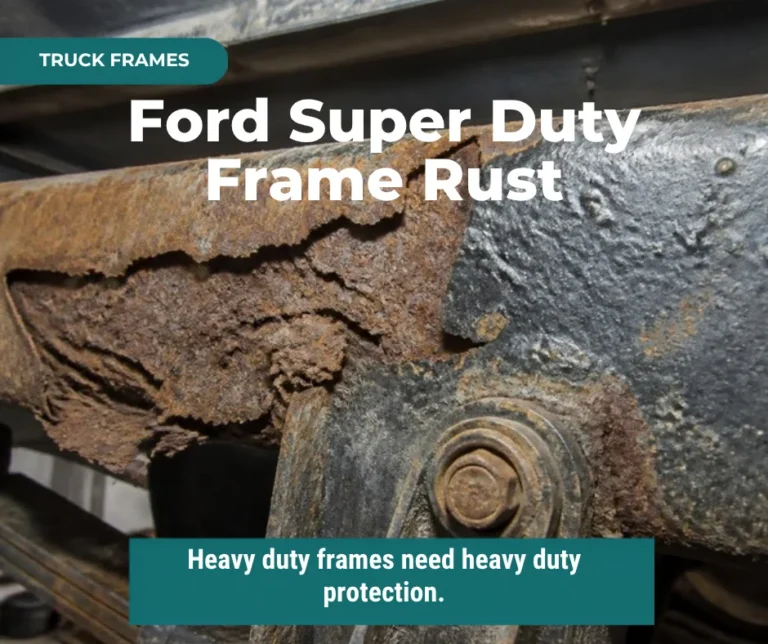
Drive a pickup through five Michigan winters and the frame rails behind your front wheels look like Swiss cheese. Restorers in Detroit, Cleveland, and upstate New York reach for converter gel because the rusted areas sit at every conceivable angle — vertical box sections, overhead floor pans, sloped wheel arches. A liquid would puddle in the cab interior and run out the body drains. Gel stays put long enough for the chemistry to anchor a protective film before the epoxy primer goes on.
Marine Hardware and Trailer Components
Cleats, davits, outboard mounts, and galvanized trailer fenders all live in the worst possible environment: salt water plus oxygen plus UV. Coastal mechanics from Mobile to Miami treat these parts in place rather than removing them, and a gel converter is the only way to get full coverage on a vertical davit base or the inside lip of a fender. Read more in our piece on marine corrosion protection and treatment.
Industrial Tanks, Railings, and Stair Treads
Plant maintenance crews fight rust on storage tank exteriors, mezzanine railings, and grated stair treads. None of those surfaces is flat. None of them can tolerate runoff onto walkways below. Gel converter brushes on, stays in place, cures clean, and accepts the facility’s standard maintenance topcoat the next morning.
Range of corrosion costs NACE estimates could be avoided through proper coating and conversion programs — between $375 billion and $875 billion saved globally each year.
Gel vs Liquid vs Spray vs Mechanical Removers
Each rust treatment method has a place, and we have used all four on real shop floors. Here is the practical breakdown.
| Method | Best Use | Dwell Time | Vertical Surface? | Topcoat Window |
|---|---|---|---|---|
| Rust Converter Gel | Cars, trailers, marine hardware, railings | 15–60 minutes | Excellent — stays put | 24 hours after cure |
| Liquid Converter | Flat parts, dip applications | 20–40 minutes | Poor — runs and drips | 24 hours after cure |
| Spray Converter | Hard-to-reach cavities, frame rails inside | 15–30 minutes | Fair — thin film, multiple coats | 24–48 hours |
| Mechanical Remover | Loose flake, scale, heavy pitting | Manual labor only | Excellent — but dusty | Immediate (high flash-rust risk) |
| Acid Stripping Bath | Small detachable hardware | 1–8 hours soak | N/A — submerged | 1–2 hours, must seal fast |
Brand-honest comparison: Corroseal performs well on light surface rust for general handyman use. And Permatex spray works fine inside enclosed frame cavities. Where XionLab pulls ahead is on the awkward middle ground — moderately rusted vertical and overhead steel needing one-coat conversion plus a bondable primer surface in a single product. Read the deeper breakdown in our rust converter vs rust remover guide.
How to Apply Gel for Maximum Conversion (Step-by-Step)
Sequence is everything. Skip a step and the conversion goes patchy. Hit every step and the bonded layer outlasts three or four repaint cycles. Here is the workflow our techs use.
- Step 1 — Knock off loose flake. A wire brush or 80-grit sanding disc removes the powdery top layer. Leave the tightly bonded surface rust alone — the gel needs something to react with.
- Step 2 — Degrease the panel. Mineral spirits or a wax-and-grease remover lifts oils. Oily rust converts poorly because the acid cannot wet the iron.
- Step 3 — Wipe with a clean shop towel. No standing water. No detergent residue. Just a dry, clean steel-and-rust surface ready for chemistry.
- Step 4 — Stir the gel gently. A wood paint stick is enough. Avoid whipping in air bubbles.
- Step 5 — Brush on a smooth, opaque coat. About 1/16 inch thick — roughly the depth of a credit card edge. Overhead and vertical work the same way.
- Step 6 — Watch for the color flip. Twenty to forty minutes in, the gel darkens from orange to deep blue-black. Color signals successful conversion.
- Step 7 — Let the polymer cure overnight. Most gels are paint-ready in 24 hours at 70 degrees Fahrenheit, longer in cold or damp conditions.
- Step 8 — Topcoat with epoxy primer or direct urethane. No sanding required if the cured film looks smooth.
Quick story from a Houston customer last spring: he treated the inside of a 1978 F-100 cab corner — pure vertical sheetmetal with about a quarter-inch of crusty rust at the dogleg seam. One gel application, 35-minute dwell, color flipped cleanly, epoxy primer the next day, then base and clear over the weekend. Two years on, no bleed-through. So the case for gel comes down to one repair done right.
Where Gel Converter Will Not Save You
No conversion product is magic. Knowing where the chemistry stops working saves a lot of frustration and rework. Here are the situations where you should reach for something else.
- Perforated metal. Holes are gone. Gel cannot rebuild missing steel. Patch panels or welding first, then gel the surrounding healthy edges.
- Aluminum, stainless, or galvanized surfaces. These do not form red iron oxide, so there is nothing for phosphoric acid to convert. Use surface-specific primers instead.
- Heavy mill scale on new structural steel. Better to blast or grind off mill scale before any chemical treatment.
- Surfaces below 40 degrees Fahrenheit. The polymer carrier cannot cure properly. Wait for warmer weather or move the part inside.
- Active leaks or wet surfaces. The acid needs to react with iron oxide, not with standing water. Dry the panel first.
Salt wins every time. If you live in a coastal county and skip the topcoat over your gel-converted parts, the cured ferric tannate film alone will eventually fail. Always pair conversion with a real protective coating — epoxy, urethane, or marine-grade enamel. The Association for Materials Protection and Performance (AMPP) publishes coating system recommendations worth reading before you settle on a topcoat for your environment.
Why XionLab Is the Gel Converter Pros Reach For
Founded in 2015, XionLab built its 2-in-1 Rust Converter and Metal Primer around one stubborn idea: a single product should both convert rust and prime the surface for paint without a second coat. Here is what sets the formula apart.
Single-Step Treatment
Converts iron oxide and lays down a paintable primer in one application. No separate primer required for most topcoats.
True Gel Body
Thick enough to grip overhead and vertical steel. Thin enough to brush, roll, or sponge without dragging.
Low-VOC, Water-Based
Safer for indoor shops and home garages than solvent-heavy alternatives. Cleans up with water before cure.
Phosphoric + Tannic Chemistry
Both acids working in concert deliver deeper conversion than single-acid formulas.
Built for Real Surfaces
Tested on cars, trailers, marine hardware, industrial railings, and farm equipment. Not a hobby-grade product.
U.S.-Based Support
Call 888-306-2280 and talk to someone who has actually used the product. No overseas script reading.
Curious about the chemistry behind our formula? The full breakdown lives in our science of rust converters and primers article, and the broader application guide is over at rust converter for automotive protection.
Answers to the Questions Customers Ask Most
How long does rust converter gel take to dry?
Surface dry happens in 20 to 40 minutes at room temperature, and the polymer fully cures within 24 hours. Cold or damp conditions stretch that out by another day or two. Always wait for the deep blue-black color before topcoating.
Can I paint directly over converted rust without primer?
Yes for most topcoats. XionLab gel includes a primer base, so direct urethane, acrylic enamel, or bedliner coatings bond well to the cured film. For high-end automotive finishes, an epoxy primer over the converter adds insurance.
Does gel converter work on heavy pitting?
It works on the rusted surfaces inside pits, but it cannot fill them. Deep pitting should be filled with epoxy body filler or welded patches before final paint. Conversion stops the rust from spreading underneath new work.
Is gel converter safe for indoor use?
Water-based gel formulas like XionLab’s are far safer indoors than spray converters or solvent-based liquids. Ventilation is still smart, gloves are mandatory, and eye protection avoids any acid splash during stirring or brushing.
Will it remove rust completely?
No, and the goal is different. Conversion stabilizes the existing rust rather than stripping it. Removal products like phosphoric acid soaks or mechanical sanding produce bare metal flash-rusting within minutes if not primed immediately.
How thick should the gel coat be?
About 1/16 inch — roughly the depth of a credit card edge. Too thin and the chemistry runs out of acid before conversion completes. Too thick and the surface skins over before the underlying gel can react.
Can I apply gel converter over old paint?
Only on the rusted bare-metal sections. Painted areas have no iron oxide for the acid to react with. Scuff back to the rust edges, treat the exposed metal, then feather paint over the cured converter film during refinishing.
What is the shelf life of gel converter?
Sealed and stored between 50 and 80 degrees Fahrenheit, most gel converters last three years or longer. A slight color shift in the jar is normal. Stir gently before use. Discard if the gel has separated badly or formed a hard crust.
Does the converter affect future welding or grinding?
Cured ferric tannate film can be ground off easily with a flap disc if you need to weld a patch in later. Welding directly over the cured film is not recommended because the polymer outgasses and contaminates the weld puddle.
Ready to Stop Rust Where It Stands?
XionLab 2-in-1 Rust Converter and Metal Primer ships nationwide and gets your project from corroded to coated in a single weekend.