Rust converter
Ultimate Rust Prevention Guide: Best Paints & Coatings to Combat Corrosion (2026 Guide)
Ultimate Rust Prevention Guide: Best Paints & Coatings to Combat Corrosion (2026 Guide)
A field-tested look at anti-rust coatings, zinc primers, epoxy topcoats, and rust converter systems — plus how to match the right rust prevention paint to your climate.
Quick Answer. The strongest rust prevention pairs sound surface prep with a layered coating system. Strip flaking scale. Neutralize tight rust. Prime with zinc-rich primer or a rust converter, then topcoat with epoxy or polyurethane. For pitted metal you cannot blast to bare steel, a converter-plus-primer hybrid like XionLab’s 2-in-1 Rust Converter & Metal Primer cuts the workflow in half and seals iron oxide in place.
The Core Problem
Rust never sleeps — and neither should your coating plan
Rust is the slow tax every metal pays for being exposed. Iron meets oxygen, picks up a little moisture, and the surface starts to flake. According to NACE International’s IMPACT study, corrosion drains roughly $2.5 trillion from the global economy every year — about 3.4% of world GDP. Most of those losses could shrink with smarter coating choices and better surface prep.
So why do most rust prevention paints fail early? Three reasons. The substrate was unclean. The incorrect product went down first. Or the exterior layer was rated against the wrong environment. Address those three faults and a finish system can ride out a full decade outdoors, even atop a Gulf Coast porch railing.
Brine wins every time. Vehicles registered across the salt belt rot faster than identical units parked through Arizona summers. Boat trailers along the Gulf Coast pit twice as quickly as inland twins. Pacific Northwest balcony railings shrug off rainfall but lose against marine spray inside a single season. Local climate dictates formulation, and the right rust prevention paint matches the threat profile precisely.
Global annual cost of corrosion, per the NACE IMPACT study — about 3.4% of global GDP, with up to 35% recoverable through better coating practice.
Step-by-Step Plan
The four-step rust prevention workflow professionals actually use
Skip steps and the coating peels off within months. Follow them carefully and you buy seasons. Here is the order professional fabricators trust, and the same sequence weekend warriors should mirror at home.
- 1. Strip the loose stuff. Wire wheel, sanding disc, or abrasive blast — knock off scale and flaking layers until the surface is sound. Sequence is everything.
- 2. Degrease and dry. Acetone, mineral spirits, or a dedicated metal cleaner. Oil and salt trapped under a primer will lift it off the substrate within months.
- 3. Treat what is left. Tight rust, pitting, and stains stay. A rust converter changes iron oxide into a stable, paintable layer. A zinc primer adds galvanic backup.
- 4. Topcoat for the climate. Epoxy for harsh chemistry, polyurethane for UV, alkyd enamel for budget jobs, urethane mastic for industrial. Match the topcoat to the threat.
One coat. Done. So goes the marketing pitch — and for some hybrid products it actually holds up. But cutting corners on prep is the single most common reason a premium rust prevention paint fails inside a season. And the failure almost always traces back to the same spot: oil, salt, or moisture trapped between the substrate and the first coat.
Veteran applicators agree on one thing. Surface readiness matters more than the brand on the can. Invest 70% of your project hours into groundwork, and the actual finish budget shrinks dramatically.
Coating Chemistry
Six rust prevention coatings, ranked by what they actually do
Walk into any hardware aisle and the rust shelf looks like alphabet soup. Alkyds, epoxies, polyurethanes, zincs, ceramics, water-based hybrids. Most carry merit. A handful get oversold. Here is how the six dominant formulations stack up against real-world demands.
Two-part epoxy primers
Epoxy is the workhorse behind marine and industrial finish systems. Two-component epoxies cure hard, bond aggressively, and shrug aside almost every aggressive chemical you can throw against them. The catch? Sunlight breaks them down inside twelve months if left bare, so they always need an exterior layer. Deploy them as a barrier beneath polyurethane or alkyd enamels.
Zinc-rich primers
Zinc-rich primers excel inside damp climates. Zinc oxidizes sacrificially — it deteriorates instead of the underlying steel, the same principle behind hot-dip galvanizing on utility poles and bridge beams. Brands like ZRC and Rust Bullet rate well. Skip zinc primer if you are layering above a rust converter; most converters react with metallic zinc and the bond fails.
Polyurethane topcoats
Urethanes hold color and gloss longer than any rival finish family. They flex with thermal expansion, absorb pelting rain and sleet, and resist chalking under intense ultraviolet exposure. Single-part formulas brush easily. Two-part 2K versions hit pro-grade durability but demand precise mixing plus a respirator.
Alkyd enamels
Old-school oil-based finishes. Cheap, forgiving, friendly toward mediocre groundwork. A quality alkyd enamel outlasts acrylic latex by seasons on outdoor metal. Just give it warm dry weather to cure properly and avoid layering it over zinc — alkyd reacts with metallic zinc, forming soaps where the bond should sit.
Water-based rust converter primers
The category XionLab pioneered. Low-VOC, non-flammable, aqueous formulas neutralize stubborn rust and lay down a paintable primer inside a single product. Zero solvents. No respirator required for casual jobs. Excellent choice for indoor projects, restoration shops, and anyone working inside a garage lacking ventilation.
Powder coatings
Best-in-class durability — but powder demands an oven. The part gets electrostatically sprayed with dry resin, then baked. The result is a chip-proof shell tougher than any liquid finish. Powder fits fabricated parts you can dismount and ship to a specialty applicator. Wrong choice for an in-place handrail or trailer frame.
Head-to-Head Comparison
Rust prevention paint comparison: chemistry, climate, cost
The table below maps the dominant rust prevention paint chemistries against real-world conditions. Pick by climate and by job type, not by the loudest marketing claim on the can.
| Coating Type | Best Use Case | Outdoor Lifespan | Prep Required | Cost / Sq Ft |
|---|---|---|---|---|
| Alkyd enamel | Tools, fences, light outdoor metal | 3 to 5 years | Moderate — wire brush | $0.10 – $0.20 |
| Acrylic latex | Indoor metal, low-humidity zones | 2 to 4 years | Light — clean & degloss | $0.08 – $0.18 |
| Two-part epoxy | Marine, industrial, salt-belt | 8 to 15 years | Heavy — blast or grind | $0.60 – $1.20 |
| Polyurethane (2K) | Vehicles, UV-heavy exposure | 10 to 20 years | Heavy — sand and prime | $0.80 – $1.50 |
| Zinc-rich primer | Bare steel, wet climates | 15 to 25 years (with topcoat) | Heavy — blast to SP10 | $1.00 – $2.00 |
| Rust converter primer | Rusted-in-place metal | 5 to 10 years (with topcoat) | Light — brush off scale | $0.30 – $0.60 |
| Powder coating | Removable fabricated parts | 20+ years | Industrial — sandblast & bake | $2.00 – $5.00 |
Pricing assumes DIY application. Shop labor easily triples those numbers. And lifespan figures shrink by half in coastal or industrial chemical exposure. Use the table as a ranking guide, not a guarantee.
Real Job Walkthrough
A trailer-frame restoration that took one weekend and one quart
Last spring I tackled a 2009 utility trailer parked beside a brackish creek on Florida’s Gulf Coast. The frame was speckled with mild oxidation — nothing perforated, but enough damage to threaten the welds during another humid winter. Its owner wanted it road-legal for hauling kayaks. Budget: under $80.
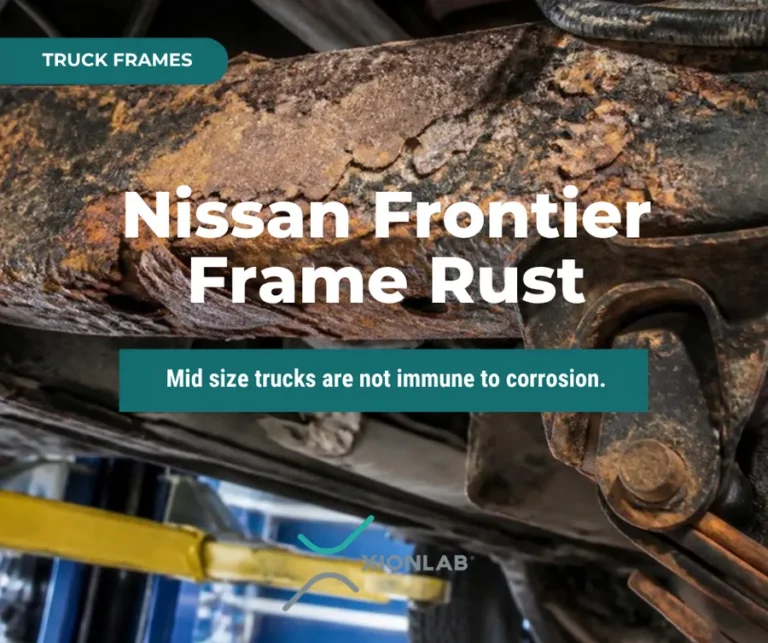
Step one was a quick wire-brush pass with an angle grinder, then a wipe-down with acetone. Took maybe two hours including coffee breaks. The metal looked clean but still showed a brown haze in the low spots — the kind of tight, bonded rust that abrasive blasting could have stripped, but acid pickling and grinder work could not touch without thinning the steel.
I rolled on a quart of XionLab 2-in-1 Rust Converter and Metal Primer — a milky white liquid that dries to a flat black layer about a millimeter thick. The product seeped into the pitted spots, reacted with the iron oxide, and left a paintable surface in about four hours. No primer needed.
The exterior layer was a standard Rust-Oleum gloss black enamel, two thin passes. Total expense: $74. Two weekends of beach hauling later, the finish still looks identical. The honest caveat? Our trailer was never perforated anywhere. If the steel had been holed through, no liquid coating could have saved it — only welding fresh plate over the gap. Films buy decades. They cannot rebuild missing substrate.
Salt spray test rating for top-tier industrial rust coatings — equivalent to roughly 30 years of normal exterior exposure, per ASTM B117 standards.
Surface Prep
The prep work nobody wants to do — and why it matters most
Ask any veteran and they will tell you the same lesson. The actual coating accounts for 30% of the project. Groundwork accounts for the remaining 70%. Skip the wire brush and the priciest epoxy on the shelf sheets off within months. Handle groundwork properly and a $20 quart of rust converter primer outlasts cheap shop labor.
Mechanical removal
Loose flakes must depart. A wire wheel mounted on an angle grinder handles most projects efficiently. Power sanders strip quicker but generate heat. For frame rails or large fabricated panels, a needle scaler or abrasive blasting reaches SP10 or SP11 cleanliness — the gold benchmark behind industrial finishes. Most residential jobs need only SP3 hand-tool cleaning.
Chemical cleaning
Brine and grease are invisible enemies. A chloride detection swab takes 30 seconds and tells you whether the substrate needs another rinse. Acetone, mineral spirits, or a dedicated metal degreaser handle most petroleum contamination. Skip dish soap — its surfactant residue blocks adhesion.
Profile and dryness
A finish needs surface roughness to bond mechanically. Smooth steel without a profile sheds primer. Lightly abrade with 80 to 120 grit before priming. Then dehydrate the metal entirely. Even a thin moisture film causes blistering inside weeks. A propane torch or heat gun flashes off lingering dampness before the first pass goes down.
How XionLab Helps
Why XionLab fits the rust prevention paint workflow
XionLab was founded in 2015 around one mission: build a water-based rust converter strong enough for industrial demands yet safe enough for any homeowner’s garage. The result became the 2-in-1 Rust Converter and Metal Primer — a single product handling stubborn residual oxidation and laying down a paintable primer in one easy step. Here is what makes it fit alongside the other finishes inside this guide.
Aqueous formulation
Low-VOC plus non-flammable. Safe inside enclosed spaces where solvent vapors create breathing hazards.
One-step transformation
Neutralizes oxidation and primes inside a single pass. No secondary undercoat required ahead of the exterior layer.
Ultraviolet-tolerant base
Holds firm beneath any compatible finish layer across decades. Stable through heat, frost, and humidity swings.
Bonds onto pitted substrate
Penetrates lower craters and binds with ferric oxide where mechanical blasting fails.
Eco-conscious composition
Free from heavy elements and aromatic carriers. Safer for you, safer for the environment.
Reduces labor expense
One bottle replaces two stages. Less effort on readying, fewer dollars per square foot.
Where does XionLab fit alongside POR-15 or Corroseal? Corroseal works well on lighter surface rust and pulls back when the rust is pitted. POR-15 outperforms on heavily encapsulated steel but demands solvent ventilation and a sticky cleanup. XionLab pulls ahead on water-based safety, ease of cleanup, and the ability to work indoors without a respirator. Pick the chemistry that matches the job.
Common Mistakes
Five rust prevention mistakes I see every season
After two decades around shops, restoration projects, and DIY weekend jobs, the same five mistakes show up over and over. Avoid them and your coating lasts.
- Painting over flaking scale. No finish bonds to loose oxidation. The scale lifts and your fresh paint departs with it. Always wire-brush down to sound metal first.
- Skipping the degrease step. Oils and brine trapped beneath a fresh coat cause blistering within weeks. Wipe with acetone or mineral spirits before priming.
- Using zinc primer over a rust converter. The opposing chemistries react. Apply an alkyd or epoxy primer between converter and exterior film instead.
- Topcoating too soon. Most converters require 24 to 48 hours for full reaction. Hit the surface with a finish before then and adhesion fails.
- Picking the wrong formula for the climate. Acrylic latex on a Gulf Coast railing fails quickly. Match the finish layer against UV intensity, brine load, and humidity exposure.
The thread tying these together? Patience. Every rust finish fails identically: when an applicator hurries. A weekend project consuming two weekends might last five seasons. Rushed into one afternoon, it requires a redo next March.
Climate Map
Pick your rust prevention paint by where you live
National brand recommendations only get you halfway. Your zip code matters more than the label on the can. The salt-belt states from Maine through Michigan see different threats than the dry Mountain West, and a Gulf Coast porch sees a chemistry load that would chew through inland coatings in a year.
Coastal Southeast and Gulf Coast
Marine fog headlines the regional threat list. Pair a rust converter primer with a 2K polyurethane finish. Or build a zinc-rich primer plus epoxy mid-coat plus polyurethane outer film for true marine-grade resilience. Recoat every 5 to 7 seasons on heavy-exposure pieces like boat trailers and dock hardware.
Salt-belt Midwest and Northeast
Highway brine devours undercarriages plus frame rails. Wash vehicles after every salting event. Treat the chassis annually with cavity wax or rust-preventive oil. For trailers and outdoor metal, deploy converter primer plus epoxy plus enamel finish. Inspect after each January.
Pacific Northwest and high-rain zones
Constant moisture creates slow chronic oxidation. Zinc-rich primer becomes your ally. Pair it with a flexible polyurethane outer film handling thermal cycling between cool wet winters and dry summers. Reapply the exterior layer every 8 to 10 seasons on exposed metal.
Dry Mountain West and Southwest
Sunlight ranks as the main enemy, not moisture. Standard alkyd enamels last 7 to 10 seasons even on a south-facing patio gate. Add a UV-stable polyurethane clearcoat if color retention matters. Converter usage drops considerably — most regional metal oxidizes slowly enough that aggressive treatment becomes overkill.
Cost & ROI
What rust prevention paint really costs over a decade
The cheap finish is rarely the cheapest. A $15 quart of generic enamel lasting three seasons costs more across a decade than a $40 quart of epoxy lasting ten. Add the labor expense of redoing groundwork — easily 3 to 5 hours per square yard for serious oxidation — and the arithmetic grows steeply lopsided.
For a typical 100 square foot trailer frame restoration, here is a rough 10-year expense spread. Budget alkyd at $50 in materials plus three reapplications equals $200 across the decade. Premium epoxy plus polyurethane stack at $180 in materials plus one touch-up equals $230. The premium build costs slightly more but takes a fraction of the labor hours.
And the upfront premium drops further once you factor freed weekends back in. A rust converter primer like XionLab’s 2-in-1 cuts the groundwork-coat cycle in half — instead of wire-brushing down to bare steel, you can leave stubborn residual oxidation in place while the active formula handles it. Most homeowners miss exactly that hidden saving.
Standards & Resources
Industry standards worth knowing before you buy
Premium rust prevention finishes publish performance metrics versus standardized testing protocols. Decoding the abbreviations helps you separate marketing puffery from genuine engineering substance.
- ASTM B117 salt spray. Continuous brine fog held at 95°F. A finish rated 1,000 hours roughly equals 5 to 10 seasons of moderate outdoor exposure. Top industrial formulations achieve 5,000+ hours.
- SSPC SP3 / SP10 / SP11. Surface readiness grades from AMPP (formerly NACE/SSPC). SP3 means hand-tool cleaning. SP10 means near-white blasting. Higher numbers indicate cleaner substrate.
- ISO 12944 corrosivity categories. European standard mapping environments from C1 (interior dry) through CX (offshore platforms). Match your finish stack rating against the local corrosivity bracket.
- DTM ratings. Direct-to-Metal certifications signal a paint qualifies to bond without separate priming. Useful shorthand for one-coat formulations.
- VOC limits. Local air-quality rules cap volatile organic compound content. Water-based finishes stay well below California limits. Solvent-based 2K systems often exceed them.
Application Method
Brush, roller, or sprayer? Choosing your applicator
Application method shapes durability almost as much as the formula itself. A poorly-laid coat traps air bubbles, creates uneven film thickness, and leaves microscopic pinholes where moisture sneaks underneath. Each tool earns its place depending on geometry, viscosity, and timeline.
Bristle brushes
A natural-bristle brush works wonders on intricate ironwork — wrought iron gates, ornamental railings, tubular bicycle frames. Synthetic bristles handle water-based primers without splaying. Brushed coats dry slightly thicker, which favors barrier-strength formulas like epoxies. Avoid brushing across hot midday sheet metal; lap marks set instantly.
Rollers and pads
A 3/8-inch nap mohair roller delivers consistent mil thickness across flat panels, deck boards, and bulkheads. Microfiber rollers leave fewer fibers behind than woven covers. A short-handled foam pad reaches awkward angles inside engine bays or stair stringers without dripping.
HVLP and airless sprayers
Spraying is faster and yields a glassy finish, but overspray costs paint and demands respiratory gear. An HVLP gun atomizes thinner solvent topcoats beautifully. An airless rig pushes high-build epoxy through a 0.017 tip for fence panels, agricultural equipment, and storage tank exteriors. Filter the product through fine mesh; clogged nozzles waste afternoons.
Whichever applicator you grab, follow the manufacturer’s recoat window. Going back too late forces sanding. Going back too soon traps solvents below the next layer. Patience pays its own dividend, every single project.
Troubleshooting
Diagnosing why your last coating failed
Coatings rarely peel without leaving forensic evidence. Each failure mode tells a story about prep shortcuts, mismatched chemistry, or environmental ambush. Learning to read those signs saves the next project.
Blistering
Small dome-shaped bubbles indicate trapped moisture or solvent vapor expanding underneath the film. Cause: applying primer over damp substrate, or topcoating before lower layers released solvents. Remedy: scrape blisters, sand feathered edges, dehumidify the workspace, and recoat once humidity drops below 70 percent.
Chalking
A powdery, dusty residue rubbing off under your fingertip signals UV decomposition of binder resins. Common with cheap alkyds left bare under direct sunlight. Remedy: wash thoroughly, abrade lightly, then overcoat with a UV-stable urethane or aliphatic acrylic finish.
Flaking and delamination
Sheets lifting off in patches mean adhesion failed at the substrate interface. Suspect contamination — wax, grease, fingerprints, dew, mill scale. Remedy: blast back to bright steel where possible, degrease aggressively, profile with abrasive, then prime within four hours before fresh oxidation begins.
Pinholing
Tiny craters resembling needle pricks expose substrate. Caused by air entrainment during spray application or excessive film thickness pulled from a brush. Remedy: thin slightly, switch tip size, apply lighter passes, allow full flash-off between coats.
Cracking and crazing
Spiderweb fractures across the topcoat appear when underlying layers shrink or harden differently than the finish. Frequently happens when polyurethane goes over poorly-cured epoxy. Remedy: respect cure schedules religiously; never overcoat partially-cured intermediate films.
Documenting each failure with photographs trains your eye. Most professional applicators keep a notebook tracking ambient temperature, dew point, humidity, mix ratios, and recoat intervals — habits worth borrowing for personal projects.
Storage & Shelf Life
Keeping unused product viable next season
Half-used cans sitting in a garage corner often outlive their usefulness silently. Water-based formulas freeze permanently below 32°F — the latex emulsion separates irreversibly. Solvent-based products tolerate cold better but skin over once oxygen reaches the surface.
Best practices: store cans upside down to seal the lid gasket; transfer leftover product into smaller glass jars purged with inert gas; label everything with purchase date plus mix date for catalyzed products. Two-component epoxies typically remain viable two years sealed, six months once opened.
Discarding partially-cured leftovers properly matters too. Cure remaining liquid by mixing with kitty litter or sawdust until solid, then dispose through household hazardous waste collection. Many counties offer free quarterly drop-off events for paint waste — check your local sanitation department website.
Environmental Impact
Eco-friendly chemistry: low-VOC reality versus marketing
Plenty of cans advertise “low-VOC” or “eco-safe.” Most legitimately qualify under California’s tough standards, which cap VOC content at 100 grams per liter for industrial maintenance coatings. Plenty more bend the definitions. Reading the technical data sheet beats trusting the label.
Water-based rust converter primers genuinely cut emissions because their solvent vehicle is water — period. Two-part solvent epoxies emit reformulated aromatic compounds during cure; respirators belong on the painter regardless of brand. Catalyzed urethanes release isocyanates, a known respiratory sensitizer, throughout application and several hours afterward.
For homeowners working inside a garage, basement, or unventilated barn, switching from solvent-based to water-based dramatically reduces airborne toxicity exposure. The XionLab formula registers under 50 g/L VOC. Disposal is friendlier too — empty water-based cans go in regular recycling streams across most U.S. municipalities, rather than hazardous waste handling.
Environmental Protection Agency guidance encourages choosing low-emission products where job demands allow. For background reading, see the EPA’s overview of VOCs and indoor air quality impacts.
Glossary
Industry vocabulary every painter eventually meets
The protective coatings world borrows heavily from chemistry, electrochemistry, metallurgy, and atmospheric science. Knowing fifteen terms cuts through ninety percent of technical data sheets.
- Cathodic protection. Electrochemical defense where a sacrificial anode dissolves preferentially, sparing the host structure.
- Mil thickness. Measurement unit equaling one-thousandth of an inch; standard reference for dry film depth.
- Recoat window. Time interval allowed between successive layers before intercoat adhesion suffers.
- Pot life. Working duration after catalyzing a multi-component product before viscosity rises beyond usability.
- Holiday. Pinpoint discontinuity overlooked during application; detectable via electrical holiday detector probe.
- Anchor profile. Microscopic peak-to-valley roughness imparted by abrasive blasting; promotes mechanical interlocking.
- Mill scale. Bluish flaky ferrous oxide formed during hot rolling at the mill; weak bond, must be removed.
- Holiday detector. Electrical instrument sweeping voltage across a freshly applied film to locate invisible pinholes.
- Dew point spread. Difference between ambient air temperature and dew point; coatings need at least 5°F clearance.
- Polyamide cure. Catalyst chemistry hardening epoxies via amide linkages; flexible, water-resistant, slow-curing.
- Aliphatic urethane. Premium polyurethane chemistry retaining color and gloss outdoors decades longer than aromatic versions.
- Flash rust. Light orange bloom appearing within hours after blasting; harmless if recoated quickly with compatible primer.
- Galvanic series. Ranking of metals by electrode potential predicting which corrodes first when joined.
- Tg. Glass transition temperature; point where polymer films transition between rigid glassy phase and flexible rubbery phase.
- Pencil hardness. Scratch resistance test using graphite pencils ranging 9H hardest down through softer leads measuring cured film toughness.
Bookmark those definitions. Decoding spec sheets becomes considerably less frustrating once vocabulary becomes second nature.
FAQ
Frequently asked questions about rust prevention paint
What is the best paint to prevent rust on outdoor metal?
A two-part epoxy primer topped with a polyurethane finish gives the longest outdoor service life — usually 12 to 20 years in moderate climates. For coastal or salt-belt projects, swap the epoxy primer for a zinc-rich primer or use XionLab’s 2-in-1 Rust Converter and Metal Primer as your first coat to neutralize any tight rust before the topcoat goes on.
Can I paint directly over rust without removing it first?
Only loosely. A converter-style primer can bond to tight residual oxidation, but no coating sticks to flaking scale or oil. Strip the loose stuff with a wire wheel, degrease with acetone, and let the surface dry before priming. Skip prep and the paint sheets off within a season.
How long does rust prevention paint actually last outdoors?
Real-world durability depends on the chemistry and the climate. A budget alkyd enamel may give 3 to 5 years inland. A zinc primer plus epoxy plus polyurethane stack can ride out 15 to 20 years even in coastal exposure. Salt and UV cut every number roughly in half.
Do I need a primer if I am using a rust converter?
Yes, almost always. A rust converter stabilizes the iron oxide and forms a paintable surface, but it is not a finished coating. Topcoat it with an alkyd enamel, oil-based primer, or two-part epoxy within 48 hours so the converter layer does not pick up new moisture and lose adhesion.
Is a zinc-rich primer better than a rust converter?
They solve different problems. Zinc-rich primer prevents new rust through sacrificial protection — the zinc corrodes first. A rust converter handles existing rust by transforming it into a stable layer. On bare steel, choose zinc. On already-rusted metal you cannot blast clean, reach for a converter.
What is the most durable rust prevention coating for vehicles?
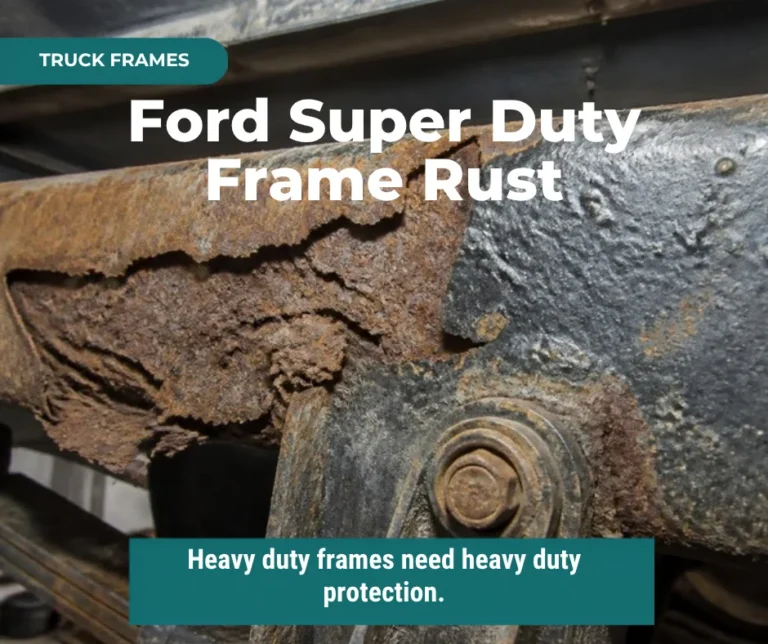
Modern automotive shops rely on a layered stack: an etching primer or rust converter, an epoxy seal coat, and a 2K polyurethane topcoat. POR-15, KBS RustSeal, and XionLab 2-in-1 are popular first coats. Add cavity wax inside frame rails — that is where most cars rot from the inside out.
Will rust prevention paint work on already-pitted metal?
It will slow the damage but cannot rebuild lost steel. Pitting means the substrate has thinned, so structural parts may need patching or welding. For cosmetic pitting on patio furniture or trailer frames, a rust converter plus a high-build epoxy topcoat usually buys another decade of useful life.
Is XionLab safer than POR-15 or Corroseal?
XionLab is water-based, low-VOC, and non-flammable, so it handles indoor work and tight spaces more easily. POR-15 outperforms in raw barrier strength on heavily encapsulated surfaces. Corroseal is solid on lighter rust. Pick the chemistry that matches the job — and skip the solvent fumes when you can.
How do I prep a rusted surface for prevention paint?
Knock off loose scale with a wire wheel or grinder. Degrease with acetone or mineral spirits. Wipe down with a tack cloth. If any oxidation is still bonded tight, hit it with a rust converter. Let the surface dry fully, then apply your primer within the recoat window listed on the can.
Ready to stop rust at the source?
XionLab 2-in-1 Rust Converter and Metal Primer neutralizes existing rust and lays down a paintable primer in one safer, water-based step.