Rust converter
Rust Converter for Automotive Protection (2026 Guide): Stop Frame Rust Without Sandblasting Down to Bare Metal
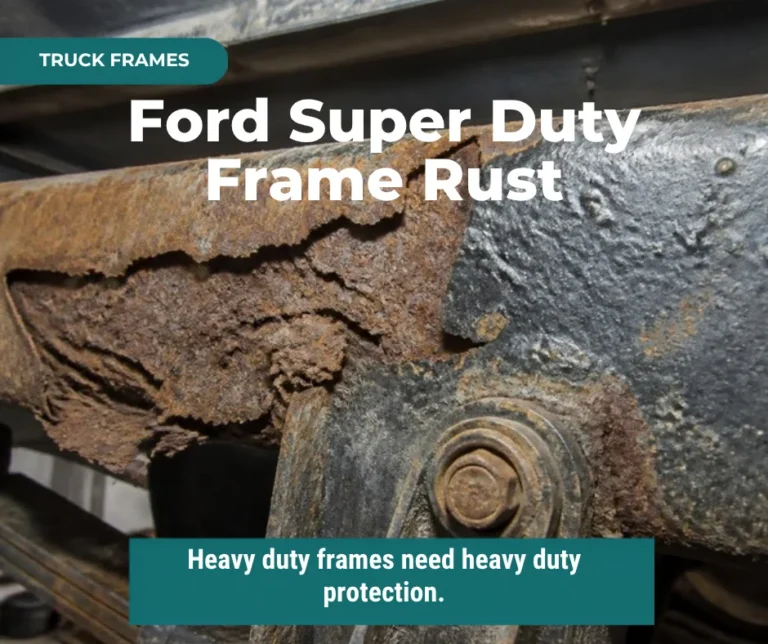
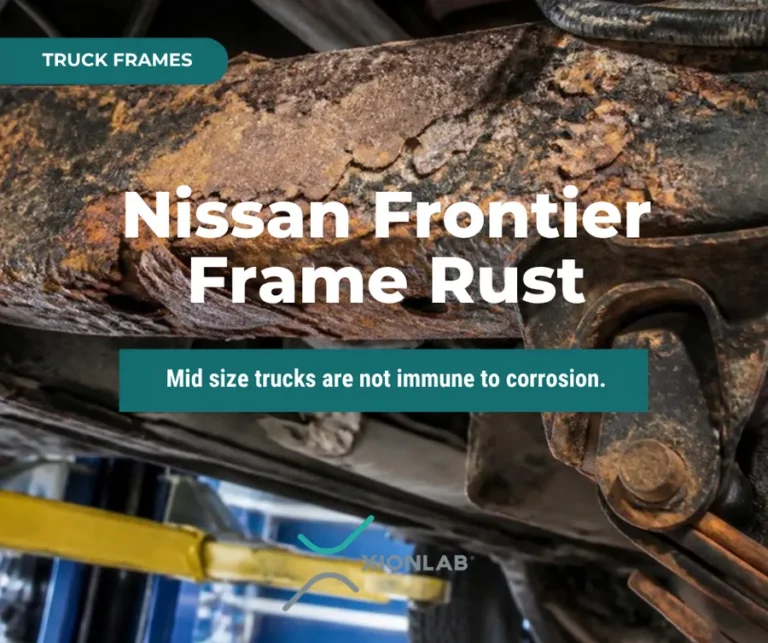
Quick Answer: A rust converter for automotive protection chemically transforms iron oxide on your frame, rocker panels, or floorboards into a stable, paint-ready surface — no sandblasting required. Tannic-acid 2-in-1 formulas like the XionLab rust converter and metal primer seal the converted layer and lay down primer in a single pass, which cuts labor on a rusty truck frame in half. Use it on stable, scaled rust. Skip it on perforated metal.
Rust Converter for Automotive Protection: What It Does and Why Mechanics Trust It
Rust is the slow tax every vehicle pays — and a rust converter for automotive protection is the cheapest receipt to stop it from compounding. Salt, humidity, and brake dust feed iron oxide on undercarriages, control arms, and frame rails. Once that orange bloom shows up, two paths exist. Cut, weld, replace. Or convert, seal, and drive on.
The chemistry behind a quality converter is simple but elegant. Tannic acid reacts with iron oxide and forms iron tannate, a stable bluish-black film. Phosphoric acid converters do something similar by producing iron phosphate. Both lock the rust in place so it stops eating fresh metal underneath. Corrosionpedia explains the reaction in deeper detail, and the takeaway is encouraging: stable rust can be kept stable for years.
Why do so many shop techs reach for a converter before a wire wheel? Time. Sandblasting a full undercarriage takes a weekend and a respirator. A spray-grade converter takes a Saturday afternoon and a brush. And the protective film, when topped with a primer-paint system, often outlasts the next inspection sticker.
Not every job belongs to a converter. We say so up front because XionLab gets calls from owners hoping to magic away perforated floor pans. Holes need patches. Rust converters need surface oxide. Different problems, different tools.
NACE International estimated the annual U.S. automotive industry corrosion cost at $23.4 billion in its baseline study, with about $9.6 billion saved per year between 1975 and 1999 thanks to better coatings and converters. (NACE IMPACT report)
When a Rust Converter Belongs in Your Automotive Toolkit (and When It Doesn’t)
Surface rust is the sweet spot. Pitting? Still workable. Active flaking sheets? Hit them with a wire wheel first, then convert what stays. But once you can poke a screwdriver clean through a frame rail, the chemistry can’t save the steel — only a welder can.
Ideal Automotive Applications
- Frame rails and crossmembers with brown surface scale but no through-holes.
- Rocker panels and rocker pinch welds showing scale rather than perforation.
- Floor pans above the carpet line where moisture has worked the seam sealer.
- Wheel wells, fender liners, and inner arches battered by gravel and salt spray.
- Brake backing plates, hardware, and exhaust shielding showing flash rust after a winter.
- Trailer beds, fifth-wheel hitches, and farm equipment frames exposed to weather year-round.
Skip the Converter When You See This
- Perforated metal. A converter is a coating, not a filler. Light shining through a panel needs a patch.
- Rust over thick old paint. Strip flaking paint first or the converter never reaches the iron.
- Greasy or oily surfaces. Wax and gear oil block the reaction. Degrease before applying.
- Frozen or wet metal. Tannic-acid converters need a dry surface above 50°F for proper cure.
Honest caveat: No converter, including ours, restores metal that has lost mechanical strength. Pitting going deeper than about a credit card edge calls for a structural inspection, not a paint can.
Step-by-Step: Applying Rust Converter on a Frame, Floor Pan, or Undercarriage
Sequence is everything. Skip a step and the chemistry punishes you a year later. Follow the sequence and a converted frame can shrug off another decade of road salt.
1. Knock Off The Loose Stuff
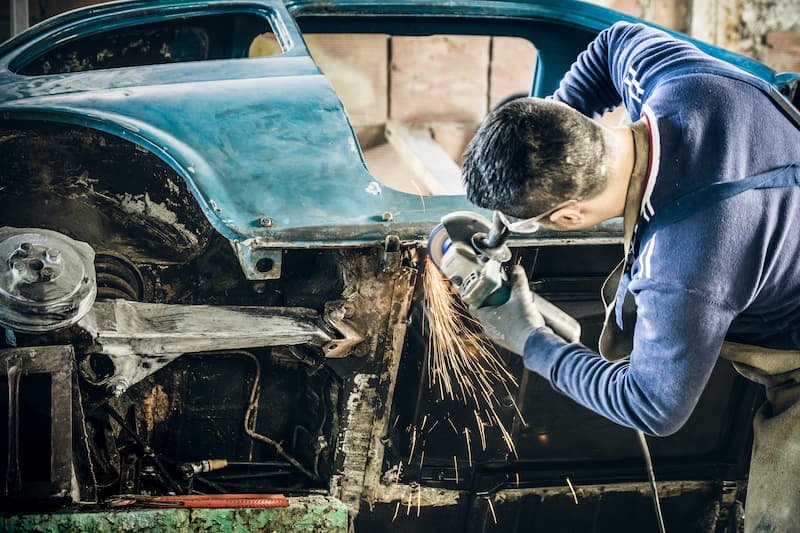
Wire brush, wire-wheel attachment, or 80-grit on a die grinder — pick your weapon and remove anything that flakes off under finger pressure. You’re not chasing bright metal. You’re chasing solid scale. Loose flakes left behind will hide unreacted iron under the converter film, and bubble-through starts there.
2. Degrease Twice
Mineral spirits, then a water-based degreaser, then a clean rinse. Most failed conversions trace back to a slick of grease the applicator didn’t see in the shop fluorescents. A trick we use in our own garage: wipe the frame rail with a white shop towel after washing. If the towel comes back gray, keep cleaning.
3. Dry The Substrate
Dry metal. No exceptions. Compressed air across the seams gets out the wash water hiding in pinch welds. Tannic-acid chemistry needs a dry surface to bond and convert efficiently.
4. Apply Two Thin Coats
Brush, foam roller, or HVLP at low pressure. Lay down a thin first coat and watch the rust go black within ten to twenty minutes. Wait the recommended flash time, usually thirty to ninety minutes depending on humidity. Then add a second thin coat for full film build. Thin layers beat one thick layer every time.
5. Top-Coat Within The Window
This step gets skipped most. The converted film is stable but porous. Topcoat with an oil-based or epoxy primer within 24 to 72 hours, then color or chassis paint over that. Our XionLab 2-in-1 rust converter and metal primer skips one of these steps by laying down both layers in one product. Less drying time. Less waiting.
Field tip from a Pacific Northwest shop: On a 2008 Tacoma frame with about a quarter-inch of scale near the leaf-spring perches, two thin coats over wire-brushed metal locked the rust down within an hour. The owner topped with chassis black the same evening. Three winters later, still no bloom.
Automotive Rust Converters Compared: What Wins on a Frame
Brand loyalty runs hot in restoration circles. Here’s an honest snapshot of how the top players stack up on the work most car owners actually face. Not all are equal.
| Product | Type | Best Use | Topcoat Needed? | Honest Note |
|---|---|---|---|---|
| XionLab 2-in-1 Rust Converter & Metal Primer | Tannic + primer | Frames, undercarriages, fleet trucks | Optional | One product. Two jobs. Saves a coat. |
| POR-15 | Moisture-cured urethane | Show restorations | Required | Tough finish, fussy prep, hates humidity in the can. |
| Corroseal | Water-based tannic | Light surface rust | Required | Excellent on thin rust. Underwhelming on heavy scale. |
| Rust-Oleum Rust Reformer | Tannic spray | Quick spot fixes | Recommended | Convenient. Film build is light. Best for small spots. |
| Permatex Rust Treatment | Tannic liquid | Spot repairs at the shop bench | Required | Dries fast. Thin film. Not built for full frames. |
| Eastwood Rust Converter | Tannic + acrylic | Mid-grade DIY jobs | Recommended | Solid all-rounder. Application can streak on overhead surfaces. |
Corroseal works well for lighter surface rust on lawn equipment and patio frames. Where XionLab pulls ahead is on heavily corroded vehicle steel — fleet trailer beds, salt-belt truck rails, marine trailer crossmembers — where the film thickness and the built-in primer save a separate coat of paint and an evening of drying time.
Why Salt Belt Vehicles Need a Different Conversion Plan
Salt wins every time. We’ve watched a clean Michigan pickup turn from showroom to scale in five winters. The Salt Belt — from Maine down through Ohio, west through Minnesota, and back across the upper Midwest — dumps roughly 20 million tons of road salt onto pavement each season, and a good chunk of that brine ends up in your fender wells. CarComplaints’ Salt Belt map shows the spread clearly.
Gulf Coast vehicles get a different kind of trouble. Marine humidity drives oxide formation from the inside of frame channels outward, and salt-laden ocean air doesn’t quit at the city limits. For these owners, the right rust converter for automotive protection works hand in hand with regular undercarriage washes and a yearly inspection.
Pacific Northwest rigs face wet, mossy conditions. Less de-icing salt than the Midwest. But more sustained moisture inside box sections. Drain holes plug, water sits, and oxidation goes to work where you can’t see it. Spraying a tannic converter inside frame channels through factory access holes is one of the smartest moves a PNW owner can make. The film blocks oxide formation before salty mist ever has a chance to start fresh corrosion underneath.
And if you live somewhere genuinely dry — Phoenix, Vegas, the high desert? You may not need a converter at all for years. UV does more harm than oxide in those climates. Save the rust converter spending for the salt-belt cousin’s truck.
Salt Belt Frame Protocol
- Pressure-wash the underbody every two weeks during salt season — yes, even when it’s freezing.
- Inspect crossmembers and pinch welds for fresh oxide each spring before bloom turns to scale.
- Convert and prime before mid-October so the chemistry has time to cure before salt season begins.
- Re-coat high-spray zones — leaf-spring hangers, brake-line tabs, body mounts — every two to three years.
One more salt-belt note. Wax-based undercoatings layered over a properly converted frame can extend protection further, but only if applied after the converter has fully cured. Wax over wet converter traps moisture and turns into a slow-cook chamber for the steel underneath. Wait a full week between coats when ambient humidity climbs above 60 percent.
One-Coat Systems vs. Traditional Multi-Layer Rust Protection
The traditional automotive rust protection stack runs five layers deep. Wire brush. Converter. Primer. Color. Topcoat sealer. Each layer adds drying time, each transition adds risk of contamination, and each step adds labor cost at a body shop. A streamlined 2-in-1 product collapses the converter and primer layers, leaving you with a three-step process instead of five.
So which approach makes sense for your job? Restoration purists with infinite weekends still favor the multi-layer route because each coat can be inspected before the next goes on. Fleet managers and DIY weekend warriors lean toward 2-in-1 because every collapsed step is an hour back. AMPP coating selection guidance generally acknowledges simplified two-step systems performing competitively on substrates where heroic durability isn’t the goal.
One coat. Done. That’s the appeal of the integrated approach for a working truck.
NACE estimates that proper corrosion control practices — including converters, primers, and routine washing — can save between 15 and 35 percent of total corrosion cost, on a $2.5 trillion global baseline.
Why Mechanics and Fleet Managers Reach for the XionLab 2-in-1
We built our 2-in-1 around three priorities. Stop the rust. Skip a coat. Keep it safer for the applicator. Below is what owners and shop techs tell us they value most about the formula.
Tannic-Acid Chemistry
Converts iron oxide to stable iron tannate so the rust stops advancing under your topcoat.
Built-In Primer
Saves a full layer of work — no separate epoxy primer step before paint.
Low VOC, Water-Based
Cleans up with water, ships without hazmat fees, and goes on indoors without fogging the shop.
Fast Cure Window
Topcoat-ready in hours rather than overnight, perfect for a Saturday undercarriage job.
Works on Mixed Substrates
Frame steel, cast iron control arms, hardware, exhaust hangers — one product for the whole job.
Made in the USA
Formulated and bottled domestically, backed by direct phone support at 888-306-2280.
Curious about the underlying chemistry? Our deep dive on the science of rust converters and primers walks through the reaction step by step. Want the broader buying guide first? See our rust converter and remover guide. Working on patio furniture instead of a vehicle? We covered that here.
Five Mistakes That Wreck an Otherwise Good Rust Conversion
Most converter failures aren’t the product. They’re the process. Below are the recurring missteps we hear about on tech-support calls.
Mistake 1: Applying Over Loose Rust
Flaky scale needs to go before the can opens. Otherwise the converter forms a film over an unstable substrate, and the whole layer lifts within a season.
Mistake 2: Skipping The Degrease Step
Brake fluid, gear oil, and old undercoating block the chemistry. A vehicle frame fresh from a transmission swap probably needs two wipes before any converter goes down.
Mistake 3: Going Too Thick On The First Coat
Heavy first coats trap moisture and leave the lower layer unreacted. Two thin coats beat one heavy coat every time.
Mistake 4: Forgetting The Topcoat
A converted surface is stable, not weatherproof. Skip the topcoat and UV plus moisture will degrade the film inside a year.
Mistake 5: Treating Holes
We can’t repeat this enough. Perforation needs welding or patch panels — never converter alone. Honest expectations save heartbreak.
NACE International’s IMPACT study pegs the global annual cost of corrosion at roughly $2.5 trillion, about 3.4% of world GDP — proof that a small can of converter, used correctly, is some of the highest-return spending in vehicle maintenance.
Automotive Rust Converter FAQ
Can rust converter be used on a car frame or just bodywork?
Yes — frame steel is exactly where converters earn their keep. The thicker scale on a frame rail or crossmember reacts well with tannic-acid chemistry, and the protective film holds up under road spray when topped with paint or chassis black.
How long does a converted surface actually last?
With a proper topcoat, expect five to ten years on a daily driver and longer on a stored or weekend vehicle. Bare converted film without topcoat usually weathers in 12 to 18 months, sometimes faster in coastal climates.
Do I have to remove all the rust before applying?
No — only the loose, flaky rust needs to come off. Solid scale and pitted oxide should stay so the chemistry has something to react with. Bright bare metal isn’t the goal here.
Will it fix a hole in my floor pan?
No converter will. Perforated metal is a structural issue. You’ll need a patch panel or weld repair first, then convert and prime any surrounding surface rust on the new patch’s edges.
Can I spray rust converter inside frame box sections?
Yes, and many shops do exactly that. Use a wand sprayer through factory drain holes to coat the interior surfaces where moisture collects. Just give the inside more cure time before driving.
Is the XionLab 2-in-1 safe for use indoors?
Yes — the formula is water-based, low-VOC, and free of the strong solvents found in moisture-cured urethanes. Open a window for airflow, but you won’t need a respirator the way you would with traditional rust paint systems.
How does XionLab compare to POR-15 or Rust-Oleum?
POR-15 produces a harder cured film, but it demands very dry conditions and a strict topcoat window. Rust-Oleum’s spray is convenient for small spots but lays down a thinner film. XionLab sits between them, with the built-in primer step removed and a more forgiving cure window for shop techs working in mixed conditions.
Where can I buy the XionLab rust converter?
Direct from xionlabpro.wpenginepowered.com or by phone at 888-306-2280. Volume discounts apply for fleet orders.
Ready to Stop Frame Rust the Smart Way?
Tannic-acid chemistry. Built-in primer. One product, fewer coats, no sandblasting required. Try the XionLab 2-in-1 Rust Converter & Metal Primer on your next undercarriage job.