Rust converter
How to Stop Rust from Spreading on a Car, Truck, or Metal Surface

Quick answer: To stop rust from spreading, strip the loose corrosion down to sound metal, neutralize what’s left with a rust converter or acid based treatment, then seal the spot with primer and paint. Speed beats perfection here. Catch it early and the fix costs a few dollars instead of a few thousand.
The Chain Reaction
Why Rust Spreads So Fast
Rust is not a stain. It’s a reaction. Iron meets oxygen and water, and the result is iron oxide — the flaky orange stuff eating your fender. Here’s the cruel part. Once it starts, it feeds itself.
The oxide layer is porous. Water and air slip right through it and keep attacking the clean metal underneath, so the corrosion creeps sideways and downward under paint you thought was fine. You wipe off a spot the size of a dime and find a patch the size of your palm hiding below. Been there? Most of us have.
Salt makes the whole thing worse. It’s an electrolyte — which means it speeds the electrical dance between iron and oxygen driving corrosion in the first place. Drive through a salted road in February and your undercarriage takes the hit. Park near the Gulf Coast and the salty air does the same slow damage all year. Either way, the clock starts ticking the moment bare metal is exposed.

So the real question isn’t whether rust will spread. Left alone, it always does. The question is how fast you get to it, and what you do once you’re there.
Know Your Enemy
The Four Stages of Rust
Not all rust is equal. A little orange dust on a bumper is a Saturday afternoon fix. A frame rail you can push a screwdriver through is a different animal entirely. Body shops and corrosion pros sort rust into four rough stages, and knowing which one you’re staring at decides everything.
- Surface rust. Light orange discoloration on the top layer of metal. No pitting yet. The easy one, and the stage you want to win at.
- Scale rust. Corrosion has built up and started flaking off in layers, leaving rough pits behind. Still fixable, but now you’re grinding.
- Penetrating rust. It’s eaten through the metal’s thickness. Holes, weak spots, real structural worry. On a frame, safety comes into it.
- Rust through. The metal is gone. Nothing left to treat, only to cut out and replace.
Why does the stage matter so much? Because the treatment changes at each step, and so does the cost. Catch it at stage one and you’re spending pocket change. Wait until stage three and you’re paying for welding, new panels, maybe a whole frame inspection. The math is brutal and it always favors moving early.
Roughly what a rusted truck frame section can cost to repair professionally once corrosion turns structural, versus under $50 in materials to treat the same spot as early surface rust. (Estimate based on typical body shop rates; verify with a local shop for your vehicle.)
The Core Method
Stopping Surface Rust Step by Step
Good news first. If you caught it at the surface stage, you can knock this out in an afternoon with hand tools and a few cheap supplies. Here’s the sequence that actually holds.
Clean the area
Wash off the grime, salt, and grease. A rust treatment can’t bond to a dirty surface, and a lot of failed repairs trace right back to skipping this. Let it dry fully. Trapped moisture under a coating is just rust waiting for a second act.
Remove the loose stuff
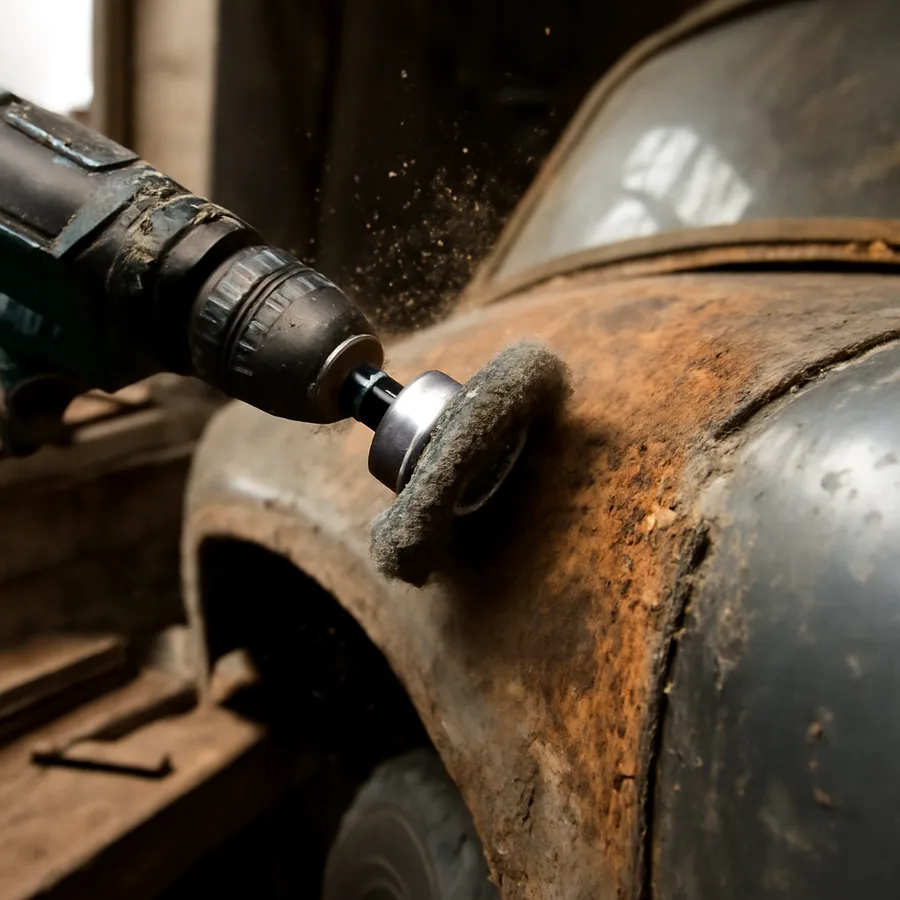
Scrape and sand back to sound metal. Fine grit sandpaper works for light spots. A wire brush on a drill handles rougher patches. You’re not chasing a showroom finish, just clean and solid, with no flaking bits left behind to keep spreading.
Neutralize what remains
Here’s where a rust converter earns its keep. These products contain tannic acid, which reacts with iron oxide and turns it into a stable black compound refusing to corrode further. Curious how the chemistry works? Our guide on what a rust converter is breaks it down. The short version? You brush it on the treated spot, it dries dark, and the reaction stops in its tracks.

Seal it
Prime and paint. Bare metal, even treated metal, needs a barrier against air and water or the whole cycle restarts. On body panels, a little touch up paint beats an ugly orange scar and does the protective job too. For a deeper walk through the conversion chemistry, see how rust converter treats rust.
Fair warning. This four step method works beautifully on surface and light scale rust. It will not save metal already perforated. If you can see daylight through it, no coating on earth brings that steel back.
Deeper Damage
When Rust Has Already Dug In
Missed the surface stage? It happens. Scale and penetrating rust need more muscle, but plenty of it is still saveable without a body shop bill.
For scale rust, the grinding gets serious. An angle grinder with a flap disc or a wire wheel strips the built up layers down to whatever solid metal survives underneath. Then you treat and seal the same way, just with more prep sweat up front. The pits will still show, but the spreading stops, which is the whole point.

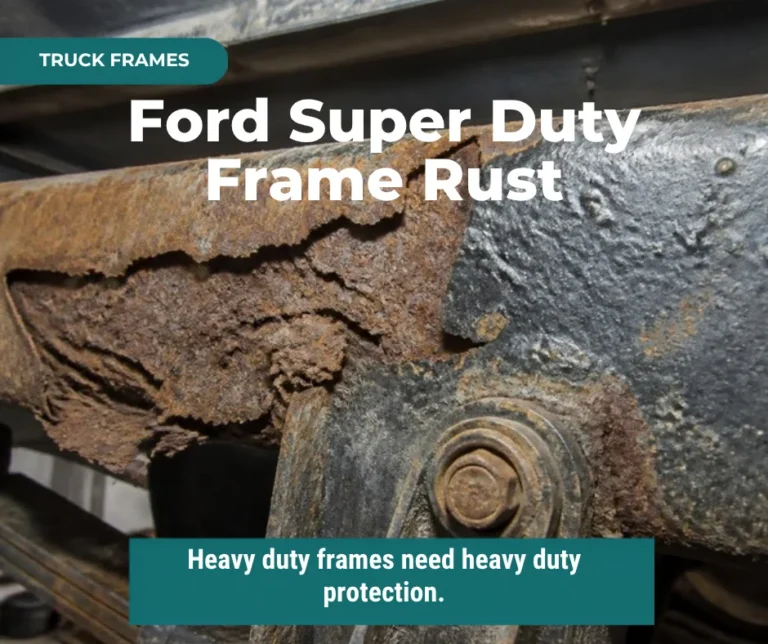
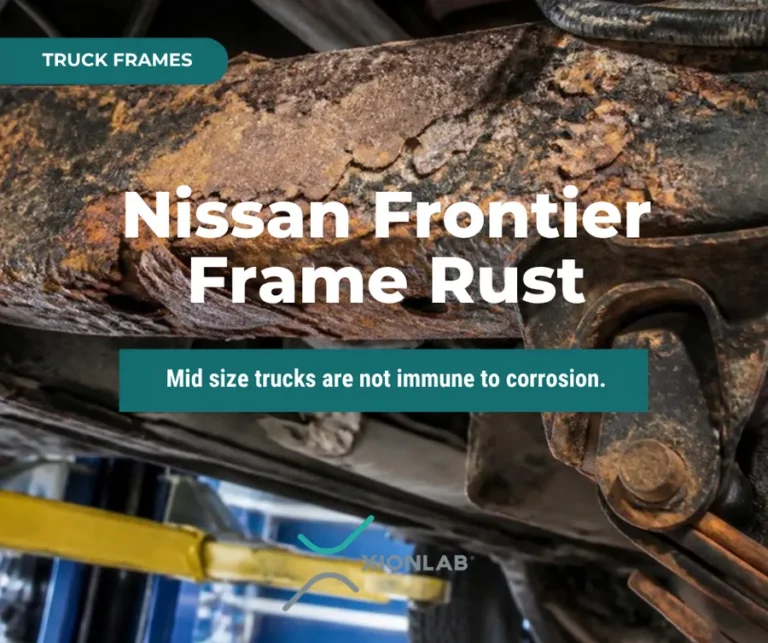
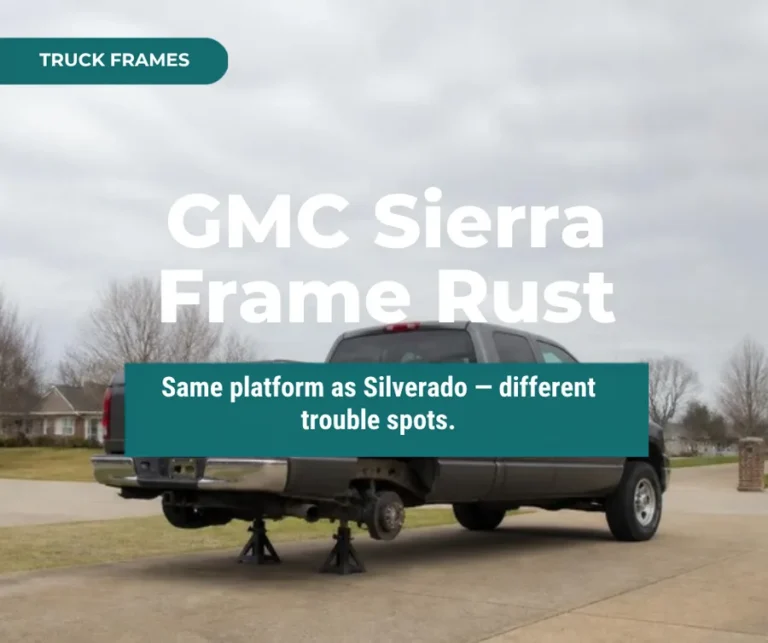
Penetrating rust is a judgment call. A pinhole in a non structural panel? Treat it, fill it, seal it, move on. A soft spot on a frame rail or crossmember? That’s where you stop being brave and start being careful. Structural rust can fail under load, and no home fix substitutes for a proper inspection. Our breakdown of frame rust on the Ford F-150 shows how bad it gets on trucks living in the salt belt.
The honest tradeoff: treating deep rust buys you time and stops the creep, but it doesn’t restore lost strength. Know the difference between cosmetic and structural before you decide a bottle of converter is enough.
| Rust Stage | What You’ll Need | Roughly How Long | DIY Friendly? |
|---|---|---|---|
| Surface | Sandpaper, converter, primer, paint | An afternoon | Yes, easily |
| Scale | Angle grinder, converter, primer, paint | Half a day | Yes, with effort |
| Penetrating (panel) | Grinder, filler, converter, sealant | A full day | Usually |
| Penetrating (frame) | Professional inspection first | Varies | Get it checked |
Where To Look
High Risk Zones on Cars and Trucks
Rust plays favorites. It goes for the spots where water pools, salt collects, and nobody bothers to look. Check these first, and check them often.

- Wheel wells and arches. Road spray blasts these constantly. Mud packs in behind the liner and holds moisture against the metal for weeks.
- The undercarriage and frame. Out of sight, out of mind, and directly in the path of everything the road throws up. Salt loves it here.
- Door bottoms and sills. Drain holes clog, water sits, rust blooms from the inside out where you can’t see it until it bubbles the paint.
- Rocker panels. The strips below your doors catch spray and hide rot behind trim.
- Rock chips anywhere. A stone chip is a tiny open door to bare metal. Small, easy to ignore, and exactly where the next rust patch begins.
A quick rinse of the undercarriage after winter driving does more than people realize. Want a proactive layer of defense? A rust prevention spray on clean metal buys real time before corrosion ever gets a foothold. And if you’re staring at rust right now, unsure where to start with cleanup, our guide on how to remove rust from metal covers every method ranked by speed.
Playing The Long Game
Keeping Rust From Coming Back
Stopping rust once is a win. Stopping it for good takes a little upkeep. None of this is hard. It’s just consistent.
Wash the car through winter, undercarriage included, to flush out the salt before it settles in. Fix paint chips while they’re still chips. A wax or sealant coat gives water something to bead off of instead of soaking in. And every so often, get under the vehicle with a flashlight and actually look. Two minutes of inspection beats a two thousand dollar surprise.
The Federal Highway Administration reports agencies spread millions of tons of road salt every winter across American highways, and the U.S. Environmental Protection Agency has documented how that salt runoff builds up across northern states. Which is exactly why salt belt vehicles rot faster than desert ones. Your truck drives through the residue of all of it. So the routine matters. According to corrosion references like Corrosionpedia and standards bodies such as AMPP, the association formed from the old NACE International, the cheapest corrosion control is always the maintenance you do before the metal ever pits.
One more thing. Rust never sleeps, but neither does a good habit. Stay ahead of it and your vehicle outlives the ones nobody bothered to check.
Common Questions
Frequently Asked Questions
Can you actually stop rust once it starts?
You can halt its spread, yes. What you can’t do is reverse metal already eaten away. So timing is everything. Treat surface rust and you stop the reaction cold. Wait until it’s structural and you’re replacing metal, not saving it.
Does painting over rust stop it from spreading?
No, and this trips up a lot of people. Paint over active rust and the corrosion keeps working underneath, quietly, until it bubbles the paint and flakes off. Remove and neutralize the rust first. Then paint seals the deal.
How fast does rust spread on a car?
It depends on climate and exposure. In a dry region, surface rust might creep for months before it gets serious. In the salt belt or near the coast, the same spot can turn ugly in a few weeks. Moisture and salt are the accelerants.
Is a rust converter better than a rust remover?
They do different jobs. A remover strips rust off entirely, good for smaller parts you can soak. A converter neutralizes rust in place and preps it for paint, better for large or awkward spots you can’t dunk. Our converter versus remover guide lays out when to reach for each.
Do I need to remove all the rust before treating it?
Remove the loose, flaking rust for sure. A converter can handle the thin, tight oxide still clinging to the metal. But it can’t work through thick scale or flakes, so scrape and sand down to a solid, clean surface first.
Will rust come back after I treat it?
Only if you leave a way in. A properly cleaned, converted, primed, and painted spot stays put for years. Rust returns when the seal fails, a chip opens, or moisture finds a gap. Keep the barrier intact and the rust stays gone.
Want to Fix It Right the First Time?
From surface spots to salt belt frame rot, our guides walk you through every rust treatment step by step. No guesswork.