Rust converter
Rust Reformer vs Rust Converter: Are They the Same Thing?
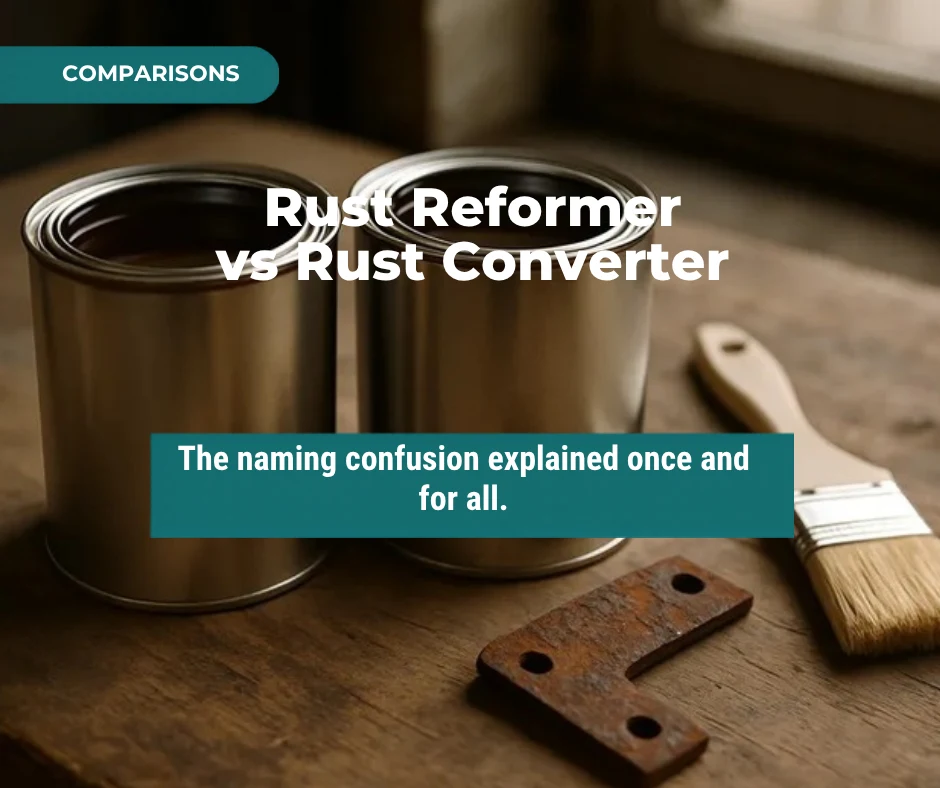
Quick answer — rust reformer and rust converter usually describe the same kind of product. Both chemically react with iron oxide and turn it into a stable, paintable layer. The wording is mostly a branding choice, though “reformer” sometimes signals a formula with extra polymers for a tougher finish.
The Naming Confusion
What People Mean By Each Word
Walk down the rust aisle and you’ll see both words on the shelf. Reformer. Converter. Sometimes “rust treatment” or “rust reformer primer” printed on a third can right beside them. No wonder people get confused.
Here’s the deal. These labels grew out of marketing departments, not chemists. One brand picked “converter” decades ago. A competitor wanted to sound different, so they reached for “reformer.” And the names stuck, even though the cans often hold nearly identical liquid.
Say rust converter, and most folks picture a product that reacts with the orange oxide and turns it dark. A reformer? Same basic idea. It reforms the rust into something stable instead of leaving it loose and flaky. Both promise one outcome — a surface you can paint without grinding down to bare steel.
So why does the confusion matter at all? Because a few products labeled “reformer” do behave a little differently, and knowing the difference saves you a redo. We’ll get there. First, the chemistry.
How It Works
The Chemistry Behind the Color Change
Rust is iron oxide. Flaky, porous, and forever pulling in moisture to keep spreading. A converter or reformer attacks the oxide with acid, then locks it into a new compound. The rust stops being rust.
Two acids do most of the heavy lifting. Tannic acid reacts with iron oxide and forms iron tannate, a stable blue black layer. Phosphoric acid forms iron phosphate, a grayish protective film. Many modern formulas blend both, then fold in a latex or acrylic polymer which dries into a thin primer coat on top.

The polymer is the quiet hero here. It seals the converted surface and gives your topcoat something to grip. Products marketed as “reformers” sometimes load in more of it, which is why they feel thicker and leave a glossier black finish. Converters lean thinner and more chemical.
Does the label tell you which acid sits inside? Rarely. You have to read the safety data sheet. According to Corrosionpedia, tannic acid based products tend to handle older, deeper rust better, while phosphoric blends shine on light surface oxidation. Worth knowing before you buy.
The Real Answer
So Are They Actually the Same?
Mostly, yes. For the average garage project, reformer and converter are interchangeable terms for the same chemical trick.
But not always. The honest version goes like this. A true rust converter is defined by what it does to the iron oxide, the chemical conversion itself. A reformer describes the same reaction plus, in some formulas, a heavier film former which doubles as a primer. Picture two circles overlapping almost completely, with a thin sliver of difference at one edge.
Corrosion engineers don’t even use these consumer words. The folks at AMPP, formerly NACE, classify these products by their active chemistry and film thickness, not by the catchy name on the bottle. Tells you something, doesn’t it? The split between “reformer” and “converter” is real on the shelf and almost meaningless in the lab.
Think of it like buying aspirin. One box says “pain reliever” and the next says “headache relief,” yet crack them open and you find the same active ingredient doing the same job at the same dose, with only the box art and the price tag setting them apart in any way a shopper would ever notice. Rust products play the same game.
Fair warning, though — a handful of cheap “reformers” are really just thin black paint with a splash of acid. They cover rust without converting much of it. Read the reviews and the data sheet, and you’ll dodge those duds. Simple as that.
Head to Head
Reformer vs Converter, Side by Side
Here’s how the two terms shake out once you strip away the marketing gloss. Treat the table as a rough guide, not a rule, since formulas vary brand to brand.
| Factor | Rust Converter | Rust Reformer |
|---|---|---|
| Core action | Chemically converts iron oxide to a stable compound | Same conversion, often with more film former |
| Typical finish | Flat to satin black | Glossier, thicker black coat |
| Doubles as primer | Sometimes | Usually marketed so |
| Best on | Light to moderate surface rust | Moderate rust you want to paint fast |
| Topcoat needed | Recommended outdoors | Still recommended outdoors |
| Common active acid | Phosphoric or tannic | Phosphoric or tannic |
Notice the bottom row. Same acids. The real differences live in the polymer load and how each brand wants to position itself. Want the deeper breakdown? Our guide on how rust converters work walks through the reaction one step at a time.
Picking Right
Which One Does Your Project Need?
Forget the name on the can for a second. What matters is your rust stage and where the metal lives.
Light surface rust
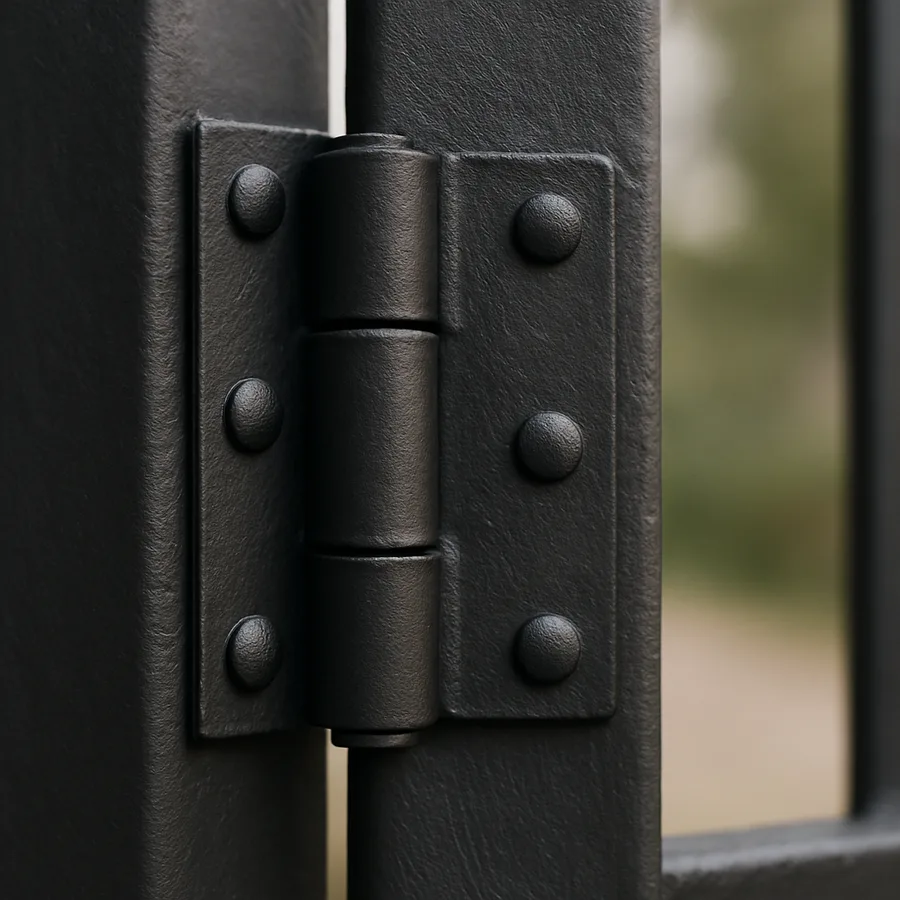
An orange dusting on a tool, a gate hinge, a patio chair? Either product handles it. Wipe off the loose stuff, brush on a thin coat, done. A thinner converter actually soaks into these shallow spots better.
Moderate, scaly rust
Now you’ve got flakes about a sixteenth of an inch thick on a trailer frame or a fender. Knock off the loose scale with a wire brush first. A thicker reformer style product then builds a better barrier over the pitted texture.
Deep, structural rust
Rust eaten clean through the metal? Neither one saves you. Converters and reformers are surface treatments, never fillers. You’ll be cutting out the bad section and welding in fresh steel before any chemical helps.
Estimated annual cost of corrosion to the U.S. transportation sector, per studies referenced by the Federal Highway Administration. Catching rust early runs far cheaper than replacing the part.

Live in a salt belt state like Ohio or Michigan? Road salt accelerates everything. Whatever product you grab, plan on a topcoat, because bare converter film won’t survive a winter of brine spray. Coastal folks along the Gulf Coast fight the same battle with salty air. For a salt heavy build, see our notes on marine corrosion protection.
And cost? A pint of either product runs ten to twenty bucks and covers a surprising amount of metal. Compare that against a body shop quote, and the math gets easy fast.
Here’s a real example. A neighbor of mine had surface rust creeping along the rocker panels of an old pickup, the kind of orange bloom you spot after a few salty winters, and rather than drop four figures at a shop he wire brushed the loose scale, brushed on a thin converter coat over two evenings, let it cure, and topped it with a matching enamel. Two years on, the panels still look solid. Not bad for a weekend and twenty dollars.
Application
Getting a Clean, Lasting Result
The product matters less than the prep. Honestly. A mediocre converter on clean metal beats a premium reformer slapped over grease every single time.
- Clean first. Degrease the area, then knock off loose, flaking rust with a wire brush or coarse pad.
- Dry it out. Moisture trapped under the coating ruins the reaction. Wait for a dry surface.
- Thin coats win. Two light passes beat one thick gloppy layer. The acid needs real contact with the oxide.
- Let it cure. Most formulas turn black within an hour and fully harden over 24 to 48 hours.
- Topcoat outdoors. The converted layer protects, but UV and weather wear it down without paint on top.
Want the full prep walkthrough? Our piece on using rust converter to treat rust covers temperature, coverage rates, and dry times in detail.
One more wrinkle. Temperature matters more than the can lets on. Below 50°F, the chemical reaction crawls, and your beautiful black finish can come out blotchy and uneven. Wait for a warmer afternoon if your schedule allows it.
Avoid These
Mistakes That Wreck the Finish
The same mistakes, over and over. People blame the product when the process was the real problem.
Skipping the wire brush tops the list. Loose rust flakes off later and drags your coating with it. A converter can’t stabilize oxide it never bonded to in the first place.
Going too thick comes next. A heavy pour looks like more protection, yet it traps solvent, stays gummy for days, and peels off in sheets. Thin and even wins.
And forgetting the topcoat? Classic blunder. The dark converted layer is not a final finish for anything living outdoors. It’s a base. Paint over it. The gap between a treatment lasting two years and one lasting ten often comes down to a single step. Still deciding between products? Our comparison of rust converter vs rust remover clears up another common mixup.
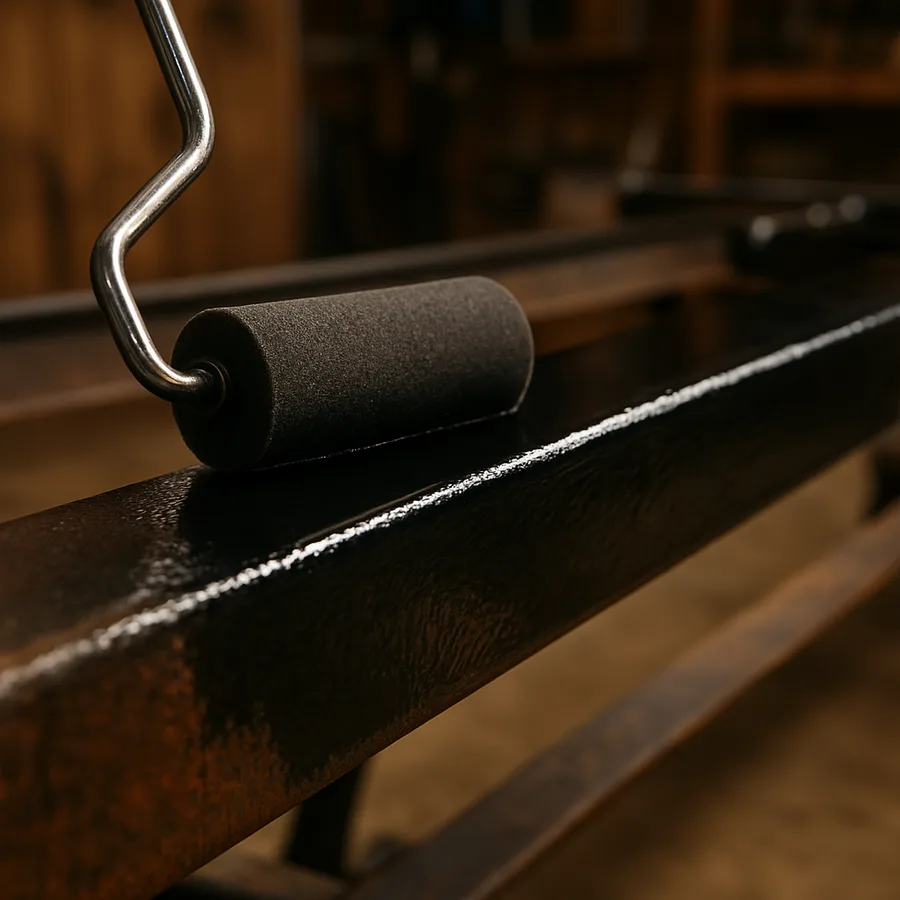
Last one. Using the wrong product for the rust stage. A reformer won’t rebuild metal already gone to dust. Match the treatment to the damage, and you’ll get the result you pictured.
Common Questions
Frequently Asked Questions
Is rust reformer the same as rust converter?
For most projects, yes. Both react with iron oxide and turn it into a stable, paintable layer. The word “reformer” sometimes signals a formula with more polymer for a thicker finish, but the core chemistry stays the same.
Can I paint directly over a rust reformer?
Usually, once it cures. Many reformers double as a primer, so a compatible topcoat goes right on after 24 to 48 hours. Check the data sheet for the recommended window and paint type.
Will a converter work on rust gone through the metal?
No. These are surface treatments, not fillers. Rust which has eaten holes needs the section cut out and welded. Chemical treatment only stabilizes oxide still sitting on solid steel.
How long does a converted surface last?
Indoors, the converted layer can hold for years. Outdoors, plan on a topcoat. Bare converter film breaks down under UV and weather, especially in salt heavy regions.
Do I still need to remove rust before applying either one?
You remove loose, flaking rust, not every speck. The point of these products is converting the tightly bonded rust which remains. Brush off the scale, leave the rest, then coat.
Which acid is better, tannic or phosphoric?
Tannic acid tends to handle older, deeper rust well and forms a blue black layer. Phosphoric works great on light surface rust. Plenty of products blend both, so you get a bit of each benefit.
Still Sorting Out Your Rust Project?
From frame rust to patio furniture, our guides break down every method so you pick the right fix the first time.