No products in the cart.
Rust Treatment & Prevention
Rust Converter and Primer Solutions (2026 Guide)
How to pick the right rust converter primer, apply it correctly, and stop active corrosion before it spreads — with honest comparisons of leading products.
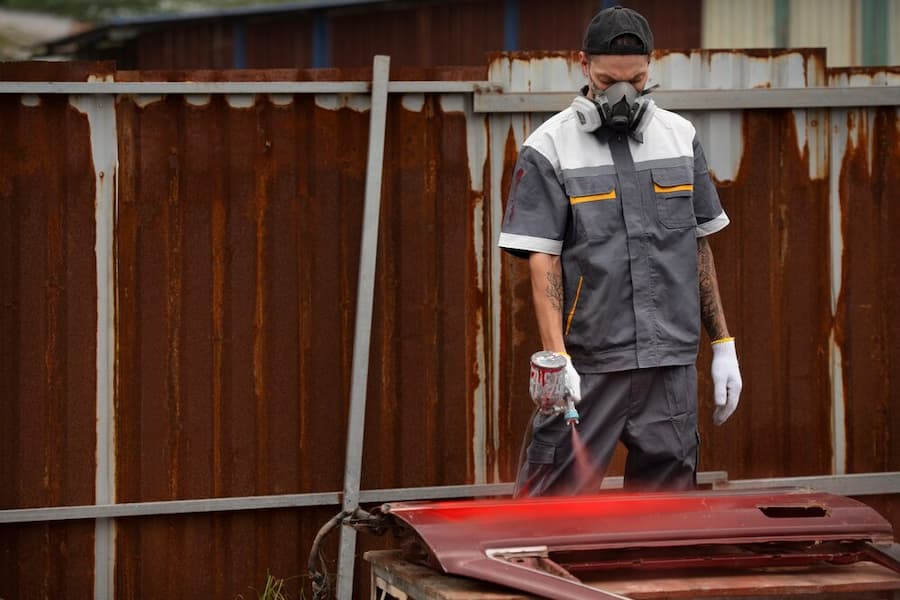
Quick Answer: Rust converter primer solutions chemically transform iron oxide into a stable, paintable compound — either iron tannate (tannic acid formulas) or iron phosphate (phosphoric acid formulas) — without requiring full rust removal. A 2-in-1 formula does the conversion and priming in a single product, cutting labor and drying time compared to separate steps. Apply at 50–100°F on a clean, degreased surface, let it cure 24 hours, and top-coat with oil-based or epoxy paint for lasting protection.
Rust is patient. It works around the clock — especially on Gulf Coast trailers sitting in salt air, Rust Belt truck frames hit by road brine every Ohio winter, or Pacific Northwest equipment left in near-constant moisture. By the time orange staining is visible, active oxidation has already been running for weeks beneath the surface.
Rust converter and primer solutions exist to interrupt that cycle at the chemical level rather than just covering it. XionLab’s 2-in-1 formula has been stopping active corrosion since 2015 with a water-based, low-VOC approach — safer for you, safer for the environment. This guide covers everything from chemistry to application technique to honest product comparisons, so you can make the right call for your specific job.
The Science
What Rust Converter Primer Solutions Are Actually Fighting
Iron oxidizes the moment bare metal meets oxygen and moisture. The reaction produces iron oxide — what everyone calls rust — but the process moves through stages, each progressively harder to reverse. Stage one is surface blush, a faint orange film. Active pitting follows in stage two. By stage three, scaling has begun — the metal surface flakes apart in layers. Stage four is perforation, and no converter fixes that.
Rust converter primer works on stages one through three. Holes cannot be chemically treated. Perforated metal needs welding or replacement. No product changes that reality, and any brand claiming otherwise is not being straight with you.
The Chemistry Behind Conversion
Most rust converter formulas rely on one of two active acids. Tannic acid reacts with iron oxide to produce ferric tannate, a dark-colored stable compound. Phosphoric acid converts iron oxide into iron phosphate, a gray, hard surface layer. Both outcomes are paintable. Both stop active oxidation by binding the iron oxide molecules into a form oxygen and moisture can no longer attack.
A 2-in-1 formula adds a polymer layer on top of the conversion reaction — depositing a primer coat as the acid neutralizes the rust. You get conversion and priming in a single application step. And on a job site or a weekend project, fewer steps matter a lot.
$2.5 Trillion
Annual global cost of corrosion, per AMPP’s 2025 global corrosion campaign — roughly 3.4% of world GDP. Effective rust converter primer solutions are among the most cost-efficient prevention tools available.
Converter vs. Remover — Pick the Right Tool
Rust removers dissolve iron oxide through acid soaking or chelation, leaving bare metal behind. They work well for small parts you can submerge — nuts, bolts, hand tools, brackets. But bare metal re-rusts fast. Hours, not days. Converters skip the bare metal step entirely. They transform rust in place and leave a primed surface ready for top-coating. For structural steel, frames, agricultural equipment, or anything too large to soak, converter primer is almost always the better call.
Product Types
Types of Rust Converter Primer: Water-Based, 2-in-1, Spray, and Oil-Based
Not all converter formulas behave the same way. The base chemistry and delivery format affect drying time, coverage, topcoat compatibility, and VOC output. Here’s how the main types compare.
| Type | Active Ingredient | Coverage / Gal | VOC Level | Best For |
|---|---|---|---|---|
| Water-Based 2-in-1 | Tannic acid + polymer primer | ~500 sq ft | Low | Large surfaces, enclosed spaces, DIY |
| Phosphoric Acid Liquid | Phosphoric acid | ~400 sq ft | Moderate | Heavy industrial rust, automotive undercarriage |
| Aerosol Spray | Phosphoric acid or tannic acid | ~15–20 sq ft / can | Moderate–High | Small repairs, tight angles, touch-ups |
| Oil-Based Converter | Tannic acid in oil carrier | ~350 sq ft | High | Structural steel, industrial applications |
Water-based formulas dry to the touch in about 20 minutes and cure fully in 24 hours. Oil-based versions take longer — sometimes 48–72 hours before topcoating — but penetrate deeper into heavy scale. Sprays are convenient for corners and weld seams where a brush won’t lay product evenly. The XionLab 2-in-1 is water-based with a full polymer primer built in, covering both conversion and priming without a second product.
Application Guide
How to Apply Rust Converter Primer — Step by Step
Prep is everything. So do it right. This is the step behind most converter failures — not the product, not the formula, not the brand. Grease, oil, wax, or even finger oils block the chemical reaction and cause uneven conversion or adhesion failures. A clean surface lets the acid do its job.
Step 1: Remove Loose and Flaking Rust
Wire-brush or lightly sand to knock off scale and flaking material. The goal is not bare metal — grinding to bare metal defeats the purpose of a converter. Remove what isn’t bonded to the surface. A flap disc on an angle grinder covers large areas in minutes. Hand-wire brushing works fine on smaller sections.
Step 2: Degrease Thoroughly
Wipe down with acetone, brake cleaner, or a dedicated metal degreaser. Let it evaporate fully before applying. One wipe-down is usually enough on a shop-stored part. Equipment stored outdoors near a Gulf Coast or salt-spray environment often needs two passes — oil and salt residue accumulate in ways invisible to the eye but detectable to the converter chemistry. Contamination is the silent saboteur of adhesion.
Step 3: Apply the Converter
Brush, roller, or airless sprayer all work. Apply generously without spreading thin. Weld seams and deep pits need extra attention — lay product into the seam and let it sit rather than brushing it across. Most formulas turn dark purple or black within 15–20 minutes as the reaction proceeds. Brown spots still showing after 30 minutes indicate a second coat is needed there. Two coats on heavy rust. Always.
Step 4: Allow Full Cure Before Topcoating
Touch-dry in 20 minutes doesn’t mean ready for paint. Full chemical conversion runs 24–48 hours. Rushing to topcoat before full cure traps incomplete reaction byproducts under the paint film, shortening the life of the entire coating system. Wait the full time. Then apply oil-based or epoxy topcoat. Or two-part epoxy for industrial applications. Never use latex or water-based topcoats over converter primer — they don’t bond correctly to the conversion layer.
15–35%
Reduction in corrosion costs achievable through effective prevention — equal to $375–$875 billion annually at global scale, per the NACE/AMPP Cost of Corrosion Study. Early converter-and-primer treatment is one of the highest-return interventions available.
Temperature and Humidity Considerations
Apply between 50°F and 100°F. Below 50°F, the acid reaction slows dramatically — you’ll see incomplete conversion or milky residue. Above 100°F in direct summer sun, the product flash-dries before full reaction. Shade and mid-morning timing solves most hot-climate problems. High humidity above 85% can cause water-based converters to dry whitish. Work on overcast days or inside a shaded bay when possible.
Honest Limitations
What Rust Converter Primer Solutions Work On — and What They Won’t Fix
Rust converters work on ferrous metals — iron and steel. Full stop. They will not work on aluminum, copper, stainless steel, galvanized metal, or cast alloys. The tannic or phosphoric acid needs iron oxide to react with. No rust, no reaction. Apply converter to a galvanized surface and you get an unevenly cured film with poor adhesion.
- Works on: Carbon steel, mild steel, cast iron, wrought iron — any ferrous metal with active surface rust
- Does not work on: Aluminum, copper, brass, stainless steel, galvanized or zinc-coated metal
- Cannot fix: Perforated metal, sections with metal loss — converter treats rust, not holes
- Will not substitute for: Structural repair; converter stops corrosion spread but does not restore metal thickness
- Should not be used inside: Sealed fuel tanks, water tanks, food contact surfaces
One more honest caveat: a single light coat handles surface rust reliably. Heavy scale — rust accumulated over a quarter-inch or more — needs two coats and more thorough mechanical prep first. Skipping prep and applying one thin coat over deep scale is the most common reason people report a converter “didn’t work.” Two coats. Proper prep. Every time.
Product Comparison
XionLab vs. Corroseal vs. KBS vs. Rust-Oleum — Honest Comparison
Corroseal works well for lighter surface rust — it’s a solid water-based converter with consistent coverage and a long track record in the marine and industrial markets. Where XionLab’s formula pulls ahead is the built-in polymer primer layer: Corroseal leaves a conversion coating you still need to prime over separately. That’s an extra product, extra dry time, extra labor. For large jobs or frequent maintenance cycles, the 2-in-1 format is a meaningful efficiency gain.
KBS Rust Converter converts rust to a hard paintable primer in one coat and performs well on automotive undercarriage applications. But it uses a petroleum-based carrier, which means higher VOC output and longer ventilation requirements in enclosed spaces. KBS is a sound choice for outdoor structural work. XionLab’s water-based formula is better suited for garages, workshops, and any setting where you’d rather not be breathing solvent fumes for two hours.
Rust-Oleum Reformer spray wins on convenience for small touch-up work — tight spots, weld seams, corners. It’s not cost-effective for large coverage, and spray cans generate meaningful VOC output in concentrated form. For anything over a few square feet, liquid-applied is more efficient and more economical.
| Product | Type | Built-in Primer | VOC | Coverage | Best Application |
|---|---|---|---|---|---|
| XionLab 2-in-1 | Water-based | Yes | Low | ~500 sq ft/gal | Large surfaces, enclosed spaces, DIY & pro |
| Corroseal | Water-based | No (converter only) | Low | ~400 sq ft/gal | Marine, lighter surface rust |
| KBS Rust Converter | Petroleum-based | Yes | Moderate | ~300–400 sq ft/gal | Automotive undercarriage, outdoor structural |
| Rust-Oleum Reformer | Aerosol spray | Yes | Moderate–High | ~15 sq ft/can | Small repairs, touch-ups, tight angles |
Regional Considerations
Where Rust Hits Hardest — and What That Means for Your Converter Choice
Geography changes how aggressive rust problems are and how much maintenance frequency you can expect. A truck frame in Phoenix and the same truck frame in Cleveland face entirely different corrosion environments.
Gulf Coast and Coastal Southeast
Salt air, humidity running 80% or higher most mornings, and heat cycles all accelerate corrosion here. Equipment stored outdoors near Biloxi, Pensacola, or Corpus Christi tends to show active rust within a season of bare metal exposure. We’ve seen welding carts and trailer frames where previous converters failed at weld seams — those are the deepest rust pockets, and standard single-coat applications miss them. Two coats with extra attention to seams is the rule, not the exception, in Gulf Coast conditions. After application, a good oil-based topcoat is mandatory. Salt air degrades unprotected primer surfaces fast.
Rust Belt — Ohio, Michigan, Pennsylvania, Wisconsin
Road salt is relentless here from November through March. Vehicle undercarriages bear the worst of it. Converters applied to undercarriage steel need to handle freeze-thaw cycling on top of salt exposure. Water-based converters with flexible polymer primers hold up better through those cycles than rigid oil-based systems, which can micro-crack as the metal expands and contracts. Annual undercarriage inspection and spot-treatment with a converter primer keeps problems from escalating into structural replacements. Catch it early. Remediation is cheap; fabrication is not.
Pacific Northwest
Moisture is constant, but salt isn’t the enemy here — it’s condensation and standing water on horizontal surfaces. Flat-bed equipment, roof flashing, outdoor fabrications all show steady surface rust. XionLab applied in early fall — before the wet season — and topped with a quality enamel holds through the Pacific Northwest winter reliably. Spring reapplication on high-traffic surfaces keeps the maintenance cycle manageable and prevents gradual deterioration from compounding.
Desert Southwest
Less rust, but UV and thermal cycling degrade unprotected primer coatings here. Metal left in Arizona summer sun reaches surface temperatures above 150°F. Topcoats without UV stabilizers chalk and fail within a season, leaving conversion coating exposed. Paired with a UV-stable oil-based enamel, converter primer still performs correctly in dry heat.
Why XionLab
How XionLab’s 2-in-1 Rust Converter and Primer Solutions Help
⚗️
True Chemical Conversion
Tannic acid reacts with iron oxide to form stable ferric tannate — stopping active rust at the molecular level, not just covering it.
🖌️
Built-In Polymer Primer
No separate priming step. XionLab deposits a polymer primer layer during the conversion reaction — one coat handles both jobs.
💧
Water-Based, Low VOC
Safe for use in garages, enclosed shops, and areas where ventilation is limited. Cleans up with water. No harsh solvent odor.
🌿
Safer for the Environment
XionLab has held the Terra Care Seal certification since 2015 — a verified commitment to environmental safety built into every formula.
🏗️
Broad Application Range
Structural steel, vehicle frames, agricultural equipment, marine fittings, HVAC components — anywhere ferrous metal is corroding.
🔬
Compatible with Major Topcoats
Oil-based and epoxy topcoats bond reliably over XionLab’s conversion layer. Works with Rust-Oleum, PPG, Sherwin-Williams, and most industrial enamel systems.
Common Questions
Rust Converter Primer Solutions — Frequently Asked Questions
How long does rust converter primer last once applied?
When topcoated with a compatible oil-based or epoxy paint, a properly applied rust converter primer system typically lasts 5–10 years on sheltered surfaces. Exposed outdoor metal in coastal or high-humidity environments sees more like 3–5 years before re-treatment becomes necessary. The longevity depends almost entirely on the topcoat — conversion layer alone, without topcoat, protects for roughly 6–12 months before UV and moisture begin degrading it.
Can rust converter primer be used on a car body or automotive frame?
Yes, on steel body panels and frames. Rust converter primer works well on surface rust and moderate pitting on automotive steel. It won’t substitute for body filler on deep pits or perforated sections. For vehicle undercarriage work, apply generously into seams and bolt recesses, let it cure fully, then topcoat with a rubberized undercoating or oil-based enamel rated for road exposure.
Does rust converter work on heavy, deep rust?
Two coats, properly applied, handle heavy rust well. The first coat neutralizes the bulk of the iron oxide; the second coat addresses pockets the first pass didn’t fully penetrate. For scale more than a quarter-inch thick, knock off loose flakes mechanically first — a flap disc or wire wheel removes the material the converter can’t efficiently penetrate. Two coats after mechanical prep is the correct approach for heavy corrosion.
What paint can you use over rust converter primer?
Oil-based enamels and two-part epoxy coatings bond well over rust converter primer. Latex and water-based paints do not — they bond poorly to the conversion layer and tend to peel within a season. Alkyd oil-based paint is the standard choice for most projects. Epoxy topcoats offer superior chemical and abrasion resistance for industrial or heavy-use applications.
How long should I wait after applying rust converter before painting?
A minimum of 24 hours, 48 hours preferred for heavy applications or humid conditions. Touch-dry in 20 minutes doesn’t mean the chemical conversion is complete. Painting too soon traps incomplete byproducts under the topcoat, shortening the life of both layers. In temperatures below 60°F, allow the full 48-hour window.
Does rust converter primer work in cold weather?
Application temperature needs to stay between 50°F and 100°F. Below 50°F, the acid reaction slows to the point where conversion is incomplete — you’ll see brown patches remaining or a milky white residue. Working in a heated garage or enclosed bay solves most cold-weather application problems. Never apply to a frozen surface.
Can I use rust converter primer on galvanized metal?
No. Galvanized metal has a zinc coating, not iron oxide. The acid in rust converter has no rust to react with and will leave an unevenly dried film with poor adhesion. If a galvanized surface has sections where the zinc has worn off and bare steel is rusting through, converter can be applied to those specific areas only — but it won’t bond to the intact galvanized sections.
How much rust converter primer do I need?
One gallon covers approximately 500 square feet at standard application thickness. For two-coat applications — recommended for moderate-to-heavy rust — plan on one gallon per 250 square feet. A quart handles most single-item projects: a trailer hitch, a tool chest frame, a gate, a section of structural steel.
What’s the shelf life of rust converter primer?
Unopened, 2–3 years stored in a temperature-stable location away from freezing. Once opened, 12–18 months if sealed tightly. Freezing degrades water-based formulas — if a converter has been through a freeze cycle, test on a scrap piece of steel first. Separation or a lumpy texture after shaking is a sign the formula has broken down.
Learn More
Related Rust Converter and Primer Resources
Looking to go deeper on specific topics? These guides cover related aspects of the rust converter and primer solutions process:
- The Science of Rust Converters and Primers — How tannic acid and phosphoric acid chemistry works at the molecular level
- Rust Converter for Automotive Protection — Car frame and body panel treatment in detail, including undercarriage application
- Can You Prime Over Rust Converter? — When a separate primer step adds value and when a 2-in-1 is enough
- Rust Converter vs. Rust Remover — Side-by-side comparison of when to convert versus when to strip
- A to Z Guide to Rust Formation and Prevention — The complete background on how and why iron oxidizes, and how to slow it
Stop Rust Before It Spreads
XionLab 2-in-1 Rust Converter and Metal Primer converts active rust and primes in a single step — water-based, low-VOC, and effective on automotive, industrial, marine, and household metal surfaces.
Safer For You, Safer For The Environment — XionLab, Est. 2015