Uncategorized
Using Rust Converter for Steel: Effective Rust Removal & Protection with Rust Store Solutions
What is a Rust Converter?
A rust converter is a chemical solution designed to convert the rust on rusty metal into a stable, inert compound. Unlike rust removers that physically eliminate rust, converters neutralize it through a chemical reaction using ingredients like tannic or phosphoric acid. This creates a protective barrier, simplifying the treatment process. For optimal results, use a wire brush to remove loose rust and then apply the converter.
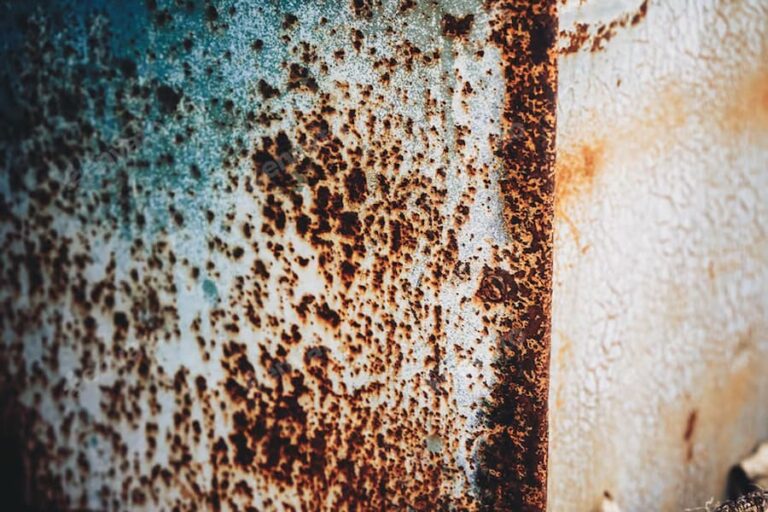
Rust forms when iron or steel is exposed to moisture and oxygen, leading to oxidation, or iron oxide (rust). Environmental factors like humidity and saltwater accelerate this process, which can affect sheet metal, tools, and machinery. Applying a water based rust converter, followed by a rusty metal primer or metal primer, is an effective way to protect rusty iron or steel surfaces. For light rust, these solutions available at your local rust store offer excellent protection and durability.
Types of Rust Converters
Water-Based Rust Converters
Water-based rust converters are becoming increasingly popular due to their eco-friendliness and ease of use. These products are typically less toxic, making them safer for indoor applications. Water-based rust converters function similarly to their solvent-based counterparts, effectively converting rust into a stable compound while providing a more pleasant application experience. They are ideal for light to moderate rust treatment on surfaces that may not withstand harsh chemicals.
Acid-Based Rust Converters
Acid-based rust converters are among the most common types available on the market. They work by chemically reacting with the rust, converting it into iron phosphate. This transformation enhances the corrosion resistance of the surface and prepares it for further treatments, such as painting. Acid-based converters are particularly effective on various rust levels, from light to heavy, but may require careful handling due to their strong chemical properties.
Benefits of Using a Rust Converter for Steel
Utilizing a rust converter provides numerous advantages, particularly for steel surfaces prone to corrosion. One of the primary benefits is long-lasting protection against rust. By effectively converting rust into a stable compound, these products prevent further oxidation, ensuring that metal surfaces remain in optimal condition. This is especially valuable for steel exposed to moisture and harsh environmental conditions.
Another significant advantage of using a rust converter is its cost-effectiveness. Compared to the labor-intensive process of complete rust removal, applying a rust converter is often simpler and less time-consuming. This practicality makes it a popular choice for both homeowners and professionals, allowing them to maintain their metal surfaces without incurring excessive costs.
Moreover, rust converters minimize the need for frequent maintenance. Once applied, they form a protective barrier that reduces the likelihood of rust returning, leading to fewer interventions over time. This feature not only saves time but also contributes to a more efficient rust management strategy.
Preparing the Metal Surface Before Application
Proper surface preparation is vital for successful rust treatment. Before applying any rust converter, it is essential to ensure that the metal surface is clean and free from loose rust and debris. This preparation enhances the effectiveness of the treatment and ensures that the rust converter adheres properly to the surface.
Clean and Degrease the Surface
The first step in preparing the metal surface is to clean and degrease it thoroughly. This can be accomplished using a degreaser or a mixture of soap and water. Removing any grease, oil, or dirt from the surface is crucial, as these contaminants can hinder the rust converter’s effectiveness. Once the surface is clean, allow it to dry completely before proceeding.
Remove All Rust and Debris
After cleaning, the next step is to remove any loose rust and debris. This can be achieved through various methods, including wire brushing, sanding, or using a stiff bristled brush. It’s essential to ensure that all flaking rust is removed to create a stable base for the rust converter to adhere to. For extensive rust build-up, you may need to use sandpaper or a power sander to achieve the best results. The goal is to expose as much of the underlying metal as possible to ensure effective rust treatment.
Choosing the Right Rust Converter
Selecting the appropriate rust converter is crucial for achieving the best results. Different products cater to various rust levels and metal types. For light surface rust, a water-based converter may be sufficient. However, for more extensive rust issues, an acid-based converter might be more effective. Always read product specifications and user reviews to identify the most suitable rust converter for your specific needs.
Application Techniques
When it comes to applying the rust converter, follow the manufacturer’s instructions closely. Rust converters can typically be applied using a brush, roller, or spray method, depending on the product’s formulation and the surface area to be treated. It’s important to cover all rusted areas thoroughly to ensure the converter penetrates the rust effectively. Applying multiple thin layers often yields better results than a single thick coat. Allow adequate drying time between coats for maximum effectiveness.
Allowing the Rust Converter to Dry
The drying process is crucial as it allows the rust converter to chemically react with the rust and form a protective barrier. Avoid touching or disturbing the treated area until the converter has fully dried. In humid conditions, it may take longer for the converter to cure, so patience is essential.
Applying a Primer Layer
Once the rust converter has dried and properly cured, applying a top coat or primer layer is advisable for maximum protection. A quality primer can shield the treated area from moisture, chemicals, and UV rays, significantly enhancing the longevity of the treatment. Ensure that the primer is compatible with the rust converter used, as some products may not adhere well to certain coatings. Applying a top coat not only seals the rust conversion but also improves the aesthetic appeal of the metal surface.
The Role of Rust Removers in Rust Treatment
It’s essential to understand the difference between rust removers and rust converters. While both products aim to address rust issues, they function differently. Rust removers work by dissolving and physically eliminating rust from metal surfaces, whereas rust converters transform rust into a stable compound, effectively neutralizing it. Depending on your project’s needs, you may require one or both types of products for effective rust treatment.
When to Use a Rust Remover
Rust removers are particularly useful when dealing with extensive rust that cannot be adequately treated by converters alone. If a surface has heavy rust build-up, using a rust remover first can help eliminate the majority of the corrosion before applying a rust converter. This initial step is crucial in cases where the rust has compromised the integrity of the metal, making it a necessary part of the restoration process.
Factors to Consider When Choosing Rust Treatment Products
When selecting rust treatment products, several factors should guide your decision-making process to ensure the best outcomes.
Product Safety and Environmental Impact
The safety and environmental impact of rust treatment products are vital considerations. Many modern rust converters and removers are formulated to be less harmful to users and the environment. Always check for safety data sheets and choose products that align with your values, especially if you plan to use them indoors or in confined spaces. Opting for water-based products can significantly reduce harmful fumes and make the application process more pleasant.
Compatibility with Existing Coatings
Before applying a rust converter or remover, consider any existing coatings on the metal surface. Certain products may not adhere well or may react adversely with paints, leading to peeling or bubbling. Ensuring compatibility will save you time and effort in the long run, allowing for a seamless application process.
Cost-Effectiveness
Assessing the long-term value of rust treatment products is essential. While some converters may have a higher upfront cost, their effectiveness and longevity can make them a more cost-effective solution over time. Consider the extent of rust on your surfaces and the potential need for repeat treatments when evaluating the best product for your project.
Best Practices for Rust Protection and Rust Removal
Regular Inspection and Maintenance
To prevent rust from becoming a significant issue, regular inspections and maintenance are key. Periodically checking metal surfaces for signs of rust or corrosion allows for early intervention, which can save time and money. Addressing rust spots as soon as they appear can prevent extensive damage and the need for more aggressive treatments later. Establishing a routine for inspecting and maintaining your metal surfaces can make a significant difference in their longevity.
Proper Storage of Tools and Equipment
Another vital aspect of rust protection is the proper storage of tools and equipment. Keeping metal tools in a dry environment, free from moisture, is essential to prevent rust formation. Consider using rust inhibitors or protective sprays on frequently used tools to provide an extra layer of defense. Using moisture-absorbing packets or silica gel can also help control humidity in storage areas, reducing the risk of rust development.
Sealing and Protecting Metal Surfaces
In addition to regular inspections, applying sealants or protective coatings over rust converters can enhance protection. Sealants can create a barrier that repels moisture and other corrosive elements, significantly reducing the risk of rust returning. Ensure that any additional coatings are compatible with the rust converter used to prevent adverse reactions.
FAQs About Using Rust Converter for Steel
How long does it take for a rust converter to work?
A rust converter typically takes several hours to dry and chemically convert the rust to an inert compound. The drying time depends on factors like humidity and temperature. Rust converter will dry faster in optimal conditions. Always follow the product instructions to ensure proper application and drying times for the best results.
How rust converter and rust removal work on galvanized metal?
Yes, a rust converter can be used on galvanized steel, but it’s important to check the product label as some rust converter products may not adhere well. Good surface preparation, like using a stiff-bristled brush or sandpaper to clean the surface, ensures the rusted metal is ready for treatment.
What if rust returns after treatment?
If rust comes back after using a rust converter, it may indicate that the initial application wasn’t thorough, or the protective barrier failed. Reapply the rust converter with a brush, making sure to remove any new rust on the metal and ensuring the surface is properly prepared. Removing all the rust and applying multiple coats of rust converter can help prevent rust from returning.
How do you know when the rust has been removed?
The purpose of the rust converter is to convert existing rust into a stable compound. After treatment, the rusted surface should turn dark or black, showing that the rust converter chemically transformed the rust. Scratching the surface lightly can help confirm there’s no loose rust. This step helps to provide a stable surface for further treatments like painting.
Is it necessary to top coat after using a rust converter?
While a rust converter itself seals rust, adding a top coat or oil-based paint is recommended to provide a more durable barrier. The object of this step is to prevent moisture from reaching the metal and continue to rust. A rust converter contains tannic acid, which works as an excellent primer for both oil and type of paint. For best results, apply paint after the converter dries to protect the metal parts from future rusting.