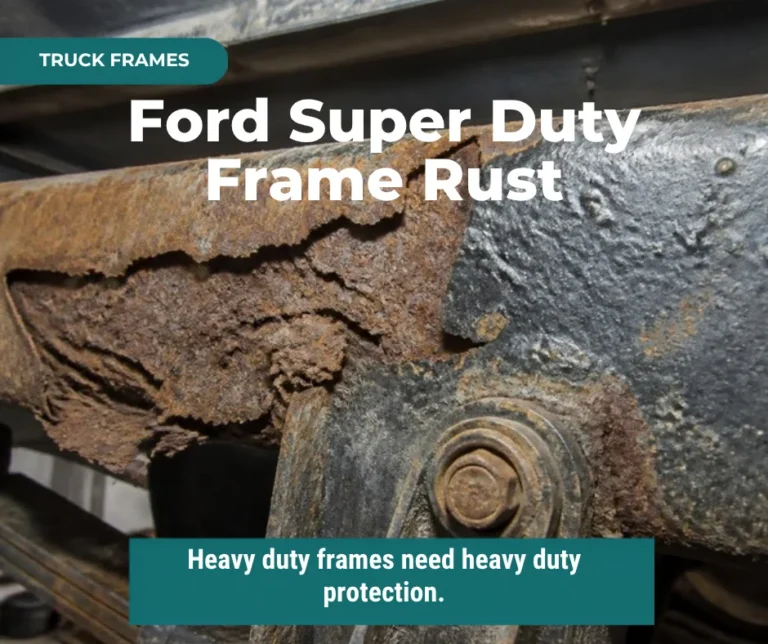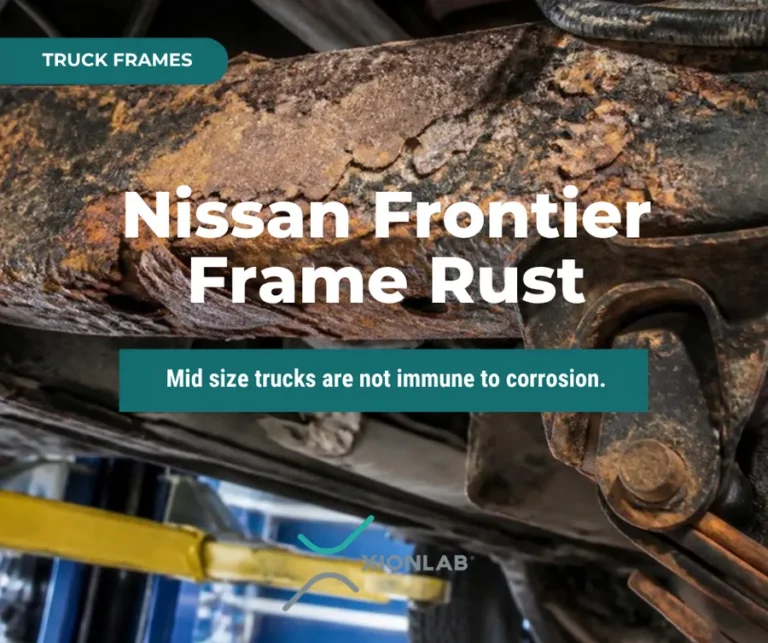
Rust converter
Rust Converter Spray Paint for Automotive Use (2026 Guide)
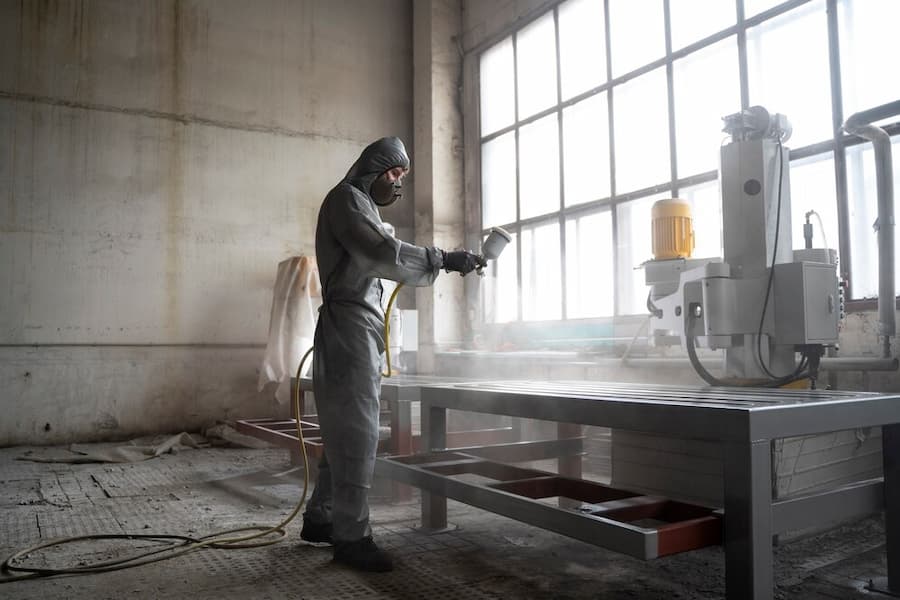
Rust Converter Spray Paint for Automotive Use (2026 Guide)
Pick the right aerosol rust converter, prep your car the right way, and stop frame corrosion in a single afternoon — no sandblaster, no shop bill.
Quick Answer: A rust converter spray paint pairs an acid (phosphoric or tannic) with a polymer binder inside a single aerosol can. The acid bonds to iron oxide and turns it into a stable, paintable film. For automotive use, pick a converter rated for moderate-to-heavy surface rust, lay down two thin coats, then topcoat after a 24-hour cure. Done well, you get years of protection from one $25 can.
Why Spray Rust Converter Pays for Itself
Rust is the most expensive thing eating your car right now. The EPA estimates road salt causes roughly $5 billion in annual damage to vehicles, bridges, and roads across the United States. Drivers in the Salt Belt pay almost $500 per rust repair on average. Multiply that by 22 million affected drivers over five years, and the math gets ugly fast.
So why does a $25 aerosol matter? Because rust spreads. A pinhole on a rocker panel today turns into a fist-sized hole next winter. The right rust converter spray paint freezes the chemistry in place and gives the metal a fighting chance.
Annual U.S. driver spending on road-salt rust repairs, per AAA data
The frustrating part? Most people skip a $25 can and pay the body shop $800 a year later. Sequence is everything. Catch surface rust early with a converter, topcoat it before winter, and the same panel might outlast the rest of the chassis.
What Rust Converter Spray Paint Actually Does Inside the Can
A rust converter spray paint is two products in one pressurized container. There’s an acid component — usually phosphoric or tannic — and a polymer binder suspended in solvent. When the aerosol hits rusted steel, the acid reacts with iron oxide and creates either iron phosphate or iron tannate. Both compounds are dark, stable, and chemically bonded to the underlying metal. We dig into the full reaction in our breakdown of the science of rust converters and primers, but the short version is simple: orange flakes become a black coating.
Salt wins every time on raw rust. The conversion changes that math. Once iron oxide turns to iron phosphate, road salt has nothing left to chew on. The polymer binder rides along with the acid and dries into a primer-grade surface, ready for paint without a separate primer step.
Phosphoric Acid Formulas
Phosphoric acid converters work fast and form an iron phosphate layer. They’re aggressive on flash rust and surface pitting, but the chemistry is one-shot — you need to topcoat within the working window or moisture will creep back in. Most automotive aerosols on the U.S. market lean phosphoric for this reason.
Tannic Acid Formulas
Tannic acid converters create iron tannate, a darker and more flexible film. They tolerate damp metal better and play nicer with topcoats. Some pros prefer them for marine and underbody work where humidity never quite drops. Corrosionpedia has solid background on the iron tannate chemistry if you want the full picture.
Polymer-Blended Aerosols (the XionLab Approach)
The third path blends a converter acid with an acrylic-urethane polymer in one aerosol can. You get conversion plus primer in a single pass — no separate prime step, no shopping for compatible products. Our XionLab 2-in-1 Rust Converter & Metal Primer aerosol works this way and was built specifically for thin-panel automotive use.
What Separates a Great Automotive Spray From a Mediocre One
Not all are equal. The shelf at any auto parts store has a dozen cans claiming to stop rust. Five of them actually do.
Bond Strength on Flaky Rust
Cheaper aerosols struggle on heavy or flaky surface rust. The acid reacts with the top layer of oxide, but anything loose underneath gets pushed off by the next thermal cycle. A good converter penetrates deeper into porous rust and locks the whole layer down.
Built-In Primer
An aerosol without a polymer binder leaves you with bare iron phosphate. That surface still needs a primer before any finish coat. A 2-in-1 product — like ours — bypasses the extra trip to the paint store.
Dry Time and Recoat Window
Cheap converters cure in 30 minutes and force you to topcoat the same afternoon. Better aerosols give a recoat window of 24 to 72 hours, so you can do your conversion on Sunday and paint the following weekend without sanding back to bare metal.
VOC and Safety
California-compliant low-VOC formulas matter if you’re spraying in a closed garage. Most modern aerosols meet the SCAQMD limits, but check the label. The cheap stuff often skips this and stinks for days.
Estimated annual U.S. corrosion cost, per AMPP/NACE inflation-adjusted figures
A Personal Experience — One Subaru, Two Sundays, Three Coats
My 2011 Outback spent eight winters in upstate New York before I got to it. The rear subframe had that crusty orange bloom you see on every Subaru up here — not yet structural, but well past cosmetic. A shop wanted $1,400 to media-blast and recoat. I had a Sunday afternoon and a $26 aerosol.
I scuffed the loose flakes with a wire wheel on a cordless drill. Took about an hour. The flake pile under the car was bigger than a coffee can. Then I wiped everything down with acetone on a shop rag, masked the diff and exhaust hangers, and laid down the first coat of converter spray. The orange went black in about ninety seconds — faster on the thinner pitted areas, slower on the thicker scale.
Sequence is everything. I waited 45 minutes between coats and shot three light passes total, holding the can about eight inches off the metal. The next Sunday I came back with a black oil-based enamel topcoat. That subframe is now into its second winter post-treatment. No bloom, no creep, no return calls to the shop. Total project cost: under $40 for the converter, topcoat, and a fresh wire wheel.
Was it perfect? No. There’s a quarter-sized spot near the trailing arm where I rushed and got a single thick coat. It’s already showing a faint orange ring. Lesson learned. Thin coats, every time.
How To Apply Rust Converter Spray Paint on a Car
The product matters less than the prep. A great converter on poorly prepped metal will fail. A budget converter on properly prepped metal often holds up fine. Our deeper surface preparation for rust treatment guide walks through every step, but here’s the short version for automotive work.
- 1. Knock off loose flakes. Use a wire wheel, sanding disc, or stiff brush. You want the surface stable, not necessarily clean. Loose scale = peeling coating.
- 2. Degrease. Wipe with acetone, brake cleaner, or wax-and-grease remover. Oily metal will not bond, period.
- 3. Mask aggressively. Overspray from automotive aerosols travels farther than you think. Cover exhaust components, brake rotors, and rubber bushings.
- 4. Spray thin and overlap. Two or three light passes beat one heavy pass every time. Hold the can six to eight inches away and keep moving.
- 5. Respect the recoat window. Most converters need 30 to 60 minutes between conversion coats and 24 to 48 hours before topcoating.
- 6. Topcoat with compatible paint. Oil-based enamel, alkyd, epoxy, or solvent polyurethane bond well. Latex and water-based acrylic will peel.
Pro tip: Spray when the metal sits between 50°F and 85°F. Cold metal slows the acid reaction. Hot metal flashes the solvent off before the polymer can level. Climate matters more than you think.
XionLab vs. Corroseal, Rust-Oleum, and Eastwood
Brand-honest take: every product on this list works. The differences come down to formulation choices, application format, and what kind of rust you’re staring at. Here’s how the major automotive aerosols stack up.
| Product | Chemistry | Aerosol Format | Best Use | Notable Limit |
|---|---|---|---|---|
| XionLab 2-in-1 Spray | Polymer-blended acid | Yes | Frames, panels, underbodies | Not for perforated metal |
| Corroseal | Tannic, water-based | Brush primarily | Light surface rust on flat panels | Aerosol version uncommon |
| Rust-Oleum Rust Reformer | Tannic-blend acid | Yes | Tools, fences, light auto | Needs separate primer for heavy work |
| Eastwood Rust Converter | Tannic + acrylic | Yes | Restoration projects | Higher per-can cost |
| VHT SP229 | Tannic, heat-resistant | Yes | Engine bays, exhaust manifolds | Limited general automotive use |
Corroseal works well for lighter surface rust on flat panels you can brush. Where XionLab pulls ahead is on awkward subframe geometry — the aerosol format reaches into seams where a brush can’t. Eastwood and Rust-Oleum are fine general-purpose options. The polymer-blend chemistry in our formula was tuned specifically for thin automotive sheet metal that flexes with temperature.
One coat. Done. That’s the pitch behind a 2-in-1 product. A traditional converter + separate primer workflow doubles your time on your back under the car.
Best Automotive Use Cases — And Where to Stop
Where It Shines
- Frame rails and subframes with moderate surface rust but no perforation
- Inside fender wells after winter, before topcoating with rubberized undercoat
- Rocker panels showing the first signs of paint bubble
- Floor pans in classic cars during full restoration
- Trailer tongues, hitch receivers, and tow points that catch road spray
- Pinch welds and seams where a brush can’t reach
Where It Won’t Save You
Honest limits matter. A rust converter spray paint is not a body filler and not a structural repair. Here are the situations where you need a different tool.
- Perforated metal. Pinholes mean the steel is gone. No converter rebuilds steel — you need to weld a patch or have a body shop cut and replace.
- Active leaks or wet surfaces. The acid reaction needs damp-but-not-wet metal. Standing moisture dilutes it.
- Aluminum, chrome, or stainless. Rust converters react with iron oxide. No iron, no reaction.
- Already-painted metal. Strip first. Converters can’t penetrate intact paint or clear coat.
- Cosmetic outer panels you’ll show off. The dark film changes the underlying color slightly. Use it under topcoat, not as a finish.
How Long Does Rust Converter Spray Paint Last?
The honest answer: it depends on the topcoat. A bare conversion layer with no topcoat will last roughly 1 to 2 years in dry climates and far less in wet ones. Add a quality oil-based enamel or epoxy topcoat, and field reports from restoration communities push the protected life out to 5 to 8 years on properly prepped substrate.
Three variables drive longevity. Surface prep is the biggest. A clean, scuffed surface holds the converter; a greasy or loose one fails fast. Topcoat compatibility is the second. Latex peels, oil-based locks in. And climate is the third — the Pacific Northwest’s perpetual damp grinds away at any coating faster than dry Phoenix conditions.
Typical service life on properly prepped, topcoated automotive panels
Cars stored in heated garages in the salt belt — Michigan, Ohio, Pennsylvania — see better outcomes than daily drivers parked outside. Gulf Coast vehicles facing salt fog need annual touch-ups regardless of product. We cover the regional angle in our marine corrosion protection and treatment guide for anyone near the coast.
Five Mistakes That Ruin Most Automotive Rust Jobs
1. Spraying Over Loose Flakes
The number one failure mode. You see orange, you spray, the orange turns black, and you assume the job is done. Two weeks later the black flakes off in chunks because there was loose scale under it. A wire wheel takes ten minutes and saves the entire project.
2. One Heavy Coat Instead of Three Thin Ones
A heavy coat pools, runs, and traps solvent. The skin dries on top while the bottom stays soft for days. Three light coats with proper flash time between them gives you a uniform film with full conversion underneath. Patience pays.
3. Skipping the Degrease
Brake dust, axle grease, and road oil all block the acid reaction. The converter needs to touch iron oxide directly. A 30-second wipe with acetone or wax-and-grease remover makes the difference between a 5-year coat and a 5-week one.
4. Topcoating Too Soon
The conversion reaction isn’t visible after the color changes. The polymer still needs to fully cross-link, which takes 24 to 48 hours at normal temps. Topcoat too early and you trap moisture under the finish. Wait. Drink coffee. Come back tomorrow.
5. Ignoring the Topcoat Entirely
Bare conversion is dark, stable, and looks finished. But it’s not a long-term finish. UV breaks it down. Salt fog eventually creeps under. A topcoat doubles or triples the service life for almost no extra effort. Don’t quit on step three.
Why Drivers Pick Our 2-in-1 Formula
Conversion + Primer in One Pass
Skip the second product. Our acrylic-urethane polymer leaves a primer-ready surface as the acid finishes converting.
Built for Thin Sheet Metal
Tuned chemistry for the kind of flexing 18-gauge body panels do across temperature swings. No cracking in winter.
Low-VOC, Garage-Safe
SCAQMD-compliant. Spray in a closed garage with normal ventilation and walk back in by dinner.
Bonds to Topcoats
Compatible with oil-based enamels, alkyds, epoxy primers, and solvent polyurethane. No specialty paint required.
Penetrates Pitted Steel
Low-viscosity acid carrier reaches deeper into porous rust than thicker brush-on formulas.
Stops Salt Belt Damage
Field-tested across the 22-state Salt Belt and Gulf Coast humidity. The chemistry doesn’t care about your zip code.
What You’ll Spend Per Project
Budget honestly and you’ll know when it’s worth doing yourself versus farming it out. Here are typical project costs for common automotive rust jobs using a quality spray converter.
| Project | Cans Needed | DIY Cost | Shop Quote | DIY Time |
|---|---|---|---|---|
| Rear subframe touch-up | 1–2 | $25–$50 | $400–$800 | 2–3 hours |
| Full underbody recoat | 4–6 | $100–$160 | $1,200–$2,000 | 1 weekend |
| Wheel wells (both rears) | 2 | $50 | $300–$500 | 3 hours |
| Trailer tongue and frame | 1 | $25 | $200–$400 | 1 hour |
| Classic car floor pan prep | 3–4 | $75–$100 | $600–$1,200 | 1 day |
For anyone weighing the trade-off, our deeper rust converter for automotive protection guide covers when DIY makes sense and when the shop is the smarter call.
Frequently Asked Questions
Yes, with one caveat. Knock off anything loose first — a quick scuff with a wire brush is enough. The acid needs to touch oxidized metal, not flakes sitting on top of it. Light scale converts beautifully. Heavy crusty scale needs prep first.
Sort of. Cast iron has iron, so the chemistry does work. But manifolds run at 800°F or hotter, and most converter formulas top out around 200°F. For high-heat applications, look at heat-rated products like VHT SP229. Our standard formula was tuned for body and frame work, not exhaust.
Almost never. Sandblasting strips everything down to bright metal, which then needs immediate priming or it flashes orange again within hours. A converter works on the rust that’s already there. Save the sandblaster for show-car restorations where you want zero history.
Wait 24 hours minimum, 48 hours preferred. The polymer needs time to cross-link fully. You can technically topcoat in 12 hours under ideal conditions, but the slight wait dramatically improves long-term adhesion.
No. Both contain little to no oxidized iron at the surface. Chrome plating actively prevents iron exposure. Stainless steel forms a chromium oxide layer that the acid won’t react with. Save your aerosol for plain carbon steel.
Absolutely — that’s the highest-value use case. Hit the underbody and frame in spring after the salt washes out. Topcoat with a tough oil-based enamel or rubberized undercoat. You’ll buy your car several extra winters this way.
A standard primer doesn’t react with rust. It just covers it. The rust keeps spreading underneath, and the primer eventually pops off in flakes. A converter changes the chemistry of the rust itself, so even if the topcoat fails later, the underlying metal stays stable longer.
Yes. Acid reactions slow dramatically below 50°F. The aerosol propellant also struggles in cold cans — the spray pattern gets uneven. Bring the can inside the night before, work in a heated garage if you can, and let the metal warm up to room temp before spraying.
Typically 4 to 6 cans for full coverage with two coats. Frame rails, control arms, subframes, and wheel wells add up faster than people expect. Buy one extra to be safe — partially used cans store fine for years if the nozzle is cleaned.
Ready to Stop Rust on Your Car?
XionLab’s 2-in-1 Rust Converter & Metal Primer is built for automotive sheet metal, frames, and underbodies. One aerosol, one workflow, one less repair bill. Safer for you, safer for the environment.