Rust converter
How to Remove Rust from Metal: The Complete Guide (2026)
Quick Answer: For light surface rust, soak the piece in white vinegar for 12 to 24 hours, then scrub with a wire brush. Moderate rust responds best to a commercial rust remover containing phosphoric acid. And for heavy rust on surfaces you plan to paint (truck frames, trailer hitches, fencing), a rust converter is the fastest path because it transforms the rust into a stable, paintable primer instead of forcing you to strip every flake by hand.
THE SCIENCE
Why Metal Rusts in the First Place
Rust is iron oxide. When iron or steel meets water and oxygen, the metal’s surface atoms give up electrons in an electrochemical reaction called oxidation. The result is that reddish-brown, flaky crust we all recognize on old tools, car panels, and outdoor furniture.
Moisture accelerates things. So does salt. A steel gate in Phoenix might go decades without serious corrosion, while the same gate in Galveston could develop golf ball-sized rust spots within a couple of years. Temperature swings make it worse, too, because condensation forms on cool metal surfaces every morning.
How expensive is the problem? According to the AMPP/NACE IMPACT Study, corrosion costs the global economy roughly $2.5 trillion per year. A staggering number. And the bulk of it comes from metal structures and equipment people let deteriorate past the point of cheap repair.
Understanding the chemistry matters because it determines which removal method will actually work for your situation. Some approaches dissolve the iron oxide. Others grind it off mechanically. One method — we will get to it — converts the rust into something useful. Different problem, different tool.
RUST REMOVAL METHODS
7 Proven Ways to Remove Rust from Metal
Every approach below works. The right one depends on the size of the object, the severity of the rust, and how you plan to use the metal afterward. We ranked them roughly from simplest (pantry items) to most aggressive.
1. White Vinegar Soak
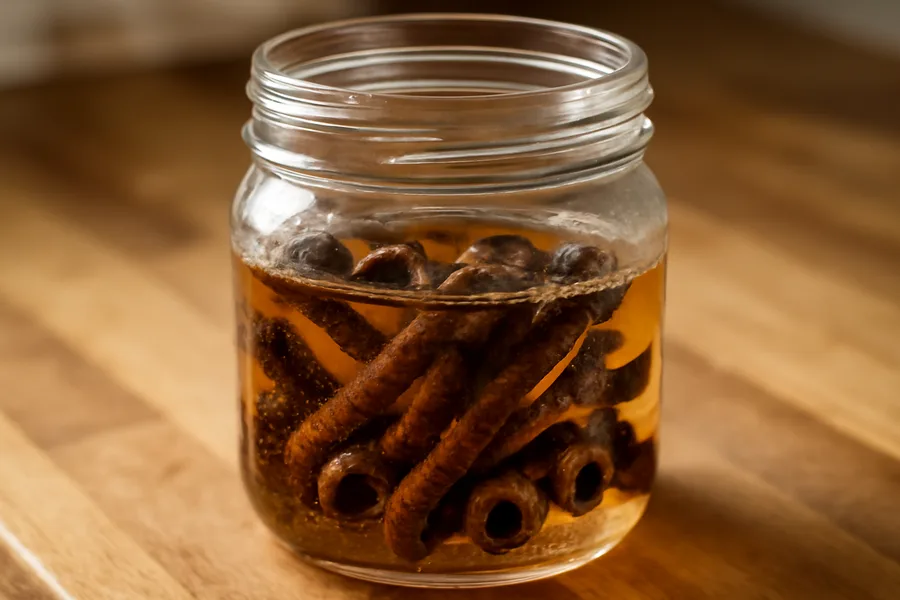
Acetic acid in white vinegar dissolves iron oxide. Submerge the rusted item in undiluted white vinegar and wait 12 to 24 hours. Pull it out, scrub with a stiff brush or steel wool, rinse, and dry immediately. Repeat if needed.
Best for: Small objects like hand tools, bolts, hinges, kitchen utensils. A bag of rusted hex bolts? Toss them in a bucket of vinegar overnight. Works great.
Cost: Under $4 per gallon at any grocery store. Time: 12-24 hours of soaking plus 10-15 minutes of scrubbing.
The catch? Vinegar is slow, and it cannot handle heavy, flaky scale rust. It also leaves the bare metal exposed, so you will need to dry and oil or paint the surface immediately to prevent flash rusting. A race against humidity, basically.
2. Baking Soda Paste
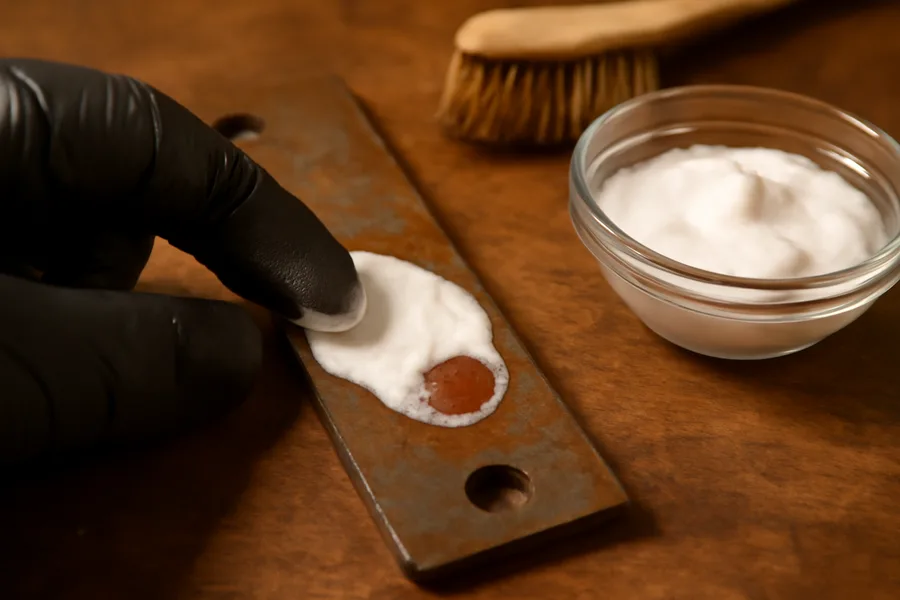
Mix baking soda with a small amount of water until you get a thick paste. Spread it onto the rusted area, let it sit for an hour or two, then scrub with a brush or crumpled aluminum foil. Rinse clean.
Why does this work? Baking soda is a mild abrasive and slightly alkaline. The mechanical scrubbing does most of the heavy lifting here, with the alkalinity helping break the rust’s bond to the base metal.
Best for: Light surface discoloration on flat or accessible surfaces. Think a cookie sheet with orange spots or a patio table leg. Not great for deep pitting or crevices where the paste can’t make full contact.
Cost: About $1. Time: 1-3 hours. Kind of tedious for anything larger than a dinner plate.
3. Lemon or Lime Juice with Salt
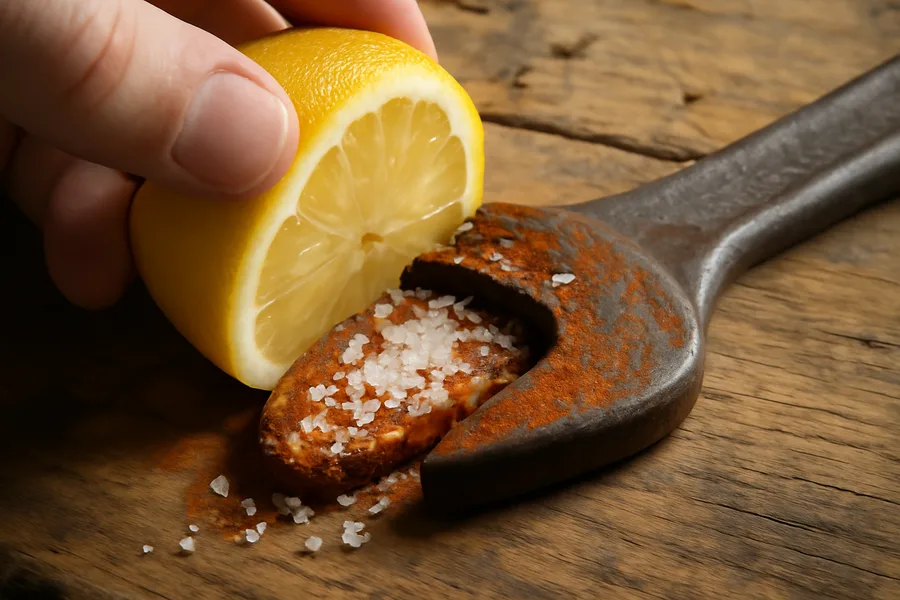
Sprinkle coarse salt over the rusted spot. Squeeze lemon or lime juice over the salt until it’s saturated. Let it sit 2-3 hours, then scrub with the rind (it has just enough abrasion to work). Citric acid plus a salt abrasive is surprisingly effective on light corrosion.
Best for: Kitchen items, garden tools, anything you would rather not dip in chemicals. Smells better than vinegar, too.
Cost: A couple of dollars. Time: 2-3 hours plus scrubbing. The citric acid concentration in fresh fruit varies quite a bit, so results can be inconsistent.
4. Citric Acid Powder
Stronger than vinegar and more consistent than lemon juice. Dissolve 2-3 tablespoons of citric acid powder in a bowl of hot water and submerge the rusted item overnight. The acid chelates the iron oxide, pulling it away from the base metal.
You can find citric acid powder in the canning aisle of most grocery stores, or online for about $8-12 per pound. A pound goes a long way.
Best for: Small to medium hardware, automotive parts, anything you can submerge. Faster than vinegar, gentler than commercial rust removers. Still requires full submersion, though, so it won’t work on a truck frame.
5. Commercial Rust Removers
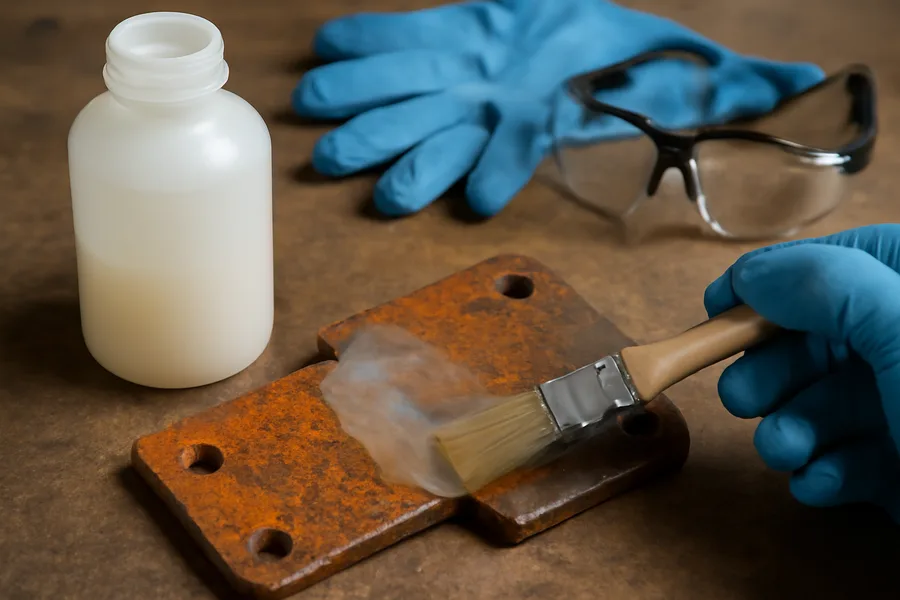
Products like Evapo-Rust, Naval Jelly, and WD-40 Rust Remover Soak use stronger chemistry (phosphoric acid, chelation agents, or both) to dissolve rust quickly. Evapo-Rust in particular is pH-neutral and reusable, making it popular with restorers working on vintage car parts and antique tools.
Naval Jelly is a phosphoric acid gel. Apply it, wait 10-15 minutes, wipe off. Fast and aggressive. But it can etch healthy metal if left too long, and it’s not something you want on your hands without gloves.
Cost: $10-25 per quart depending on brand. Time: 15 minutes to a few hours. Way faster than pantry remedies.
Best for: Moderate rust on parts you can either soak or coat with gel. Professional restoration shops keep Evapo-Rust by the five-gallon bucket.
6. Mechanical Removal

Wire brushes. Sandpaper (80-grit to start, 220 to finish). Angle grinders with flap discs. Needle scalers. Sandblasting rigs. When rust runs deep and covers large areas, sometimes the most practical approach is just grinding it off.
Mechanical removal gets you down to bare, shiny metal. That is genuinely the gold standard for surface prep if you are doing a professional paint job. The SSPC standard SP 5/NACE No. 1 (white metal blast cleaning) specifies exactly how clean the surface has to be for industrial coatings.
The downsides are real, though. Grinding is loud, dusty, and time-consuming on large structures. It’s hard to reach inside box frames, behind flanges, and along seams. And you generate a pile of iron dust mixed with old paint (which could contain lead on anything pre-1978).
Cost: Varies wildly. A wire brush cup for a drill costs $6. Renting a sandblasting rig might run $200-400 per day. Time: Hours for even modest areas. An entire truck frame could take a weekend.
7. Rust Converters (The Method Most Guides Skip)

Here’s where things get interesting. A rust converter does not remove rust. It transforms it. The active ingredients react with iron oxide to form a stable, dark-colored compound that adheres to the base metal and serves as a ready-to-paint surface.
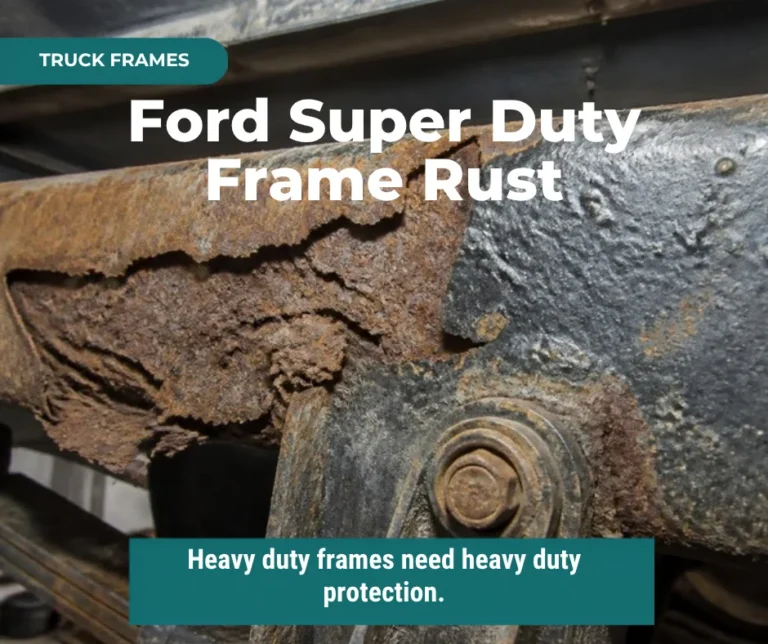
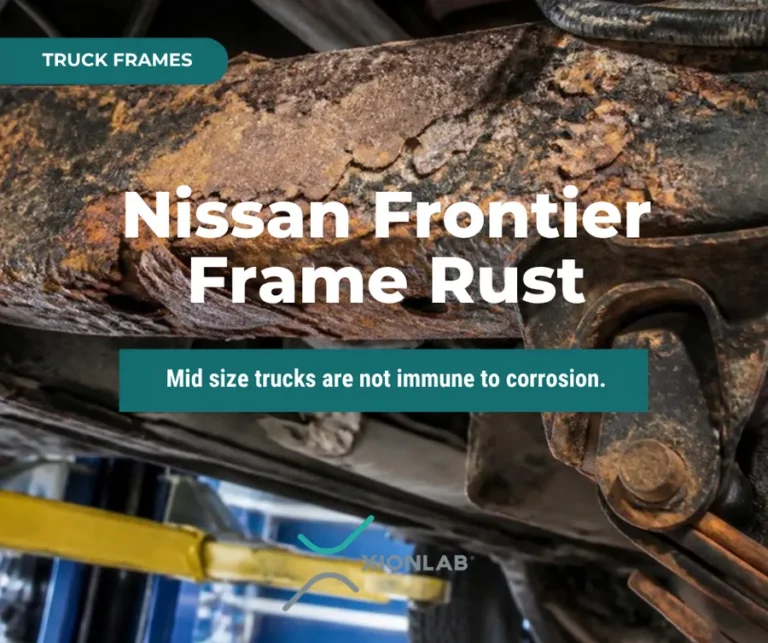
Why do most guides skip this? Because it is not technically “removal.” But for anyone dealing with rust on a trailer frame, a gate, a fire escape, or the underside of a 2006 F-150 with 180k miles — conversion is often the smarter play. No grinding. No dust. Just brush it on.
XionLab 2-in-1 Rust Converter & Metal Primer converts rust AND primes in a single coat. Available in red oxide and black. One gallon covers 200-500 sq ft. Terra Care Certified, non-toxic, water-based.
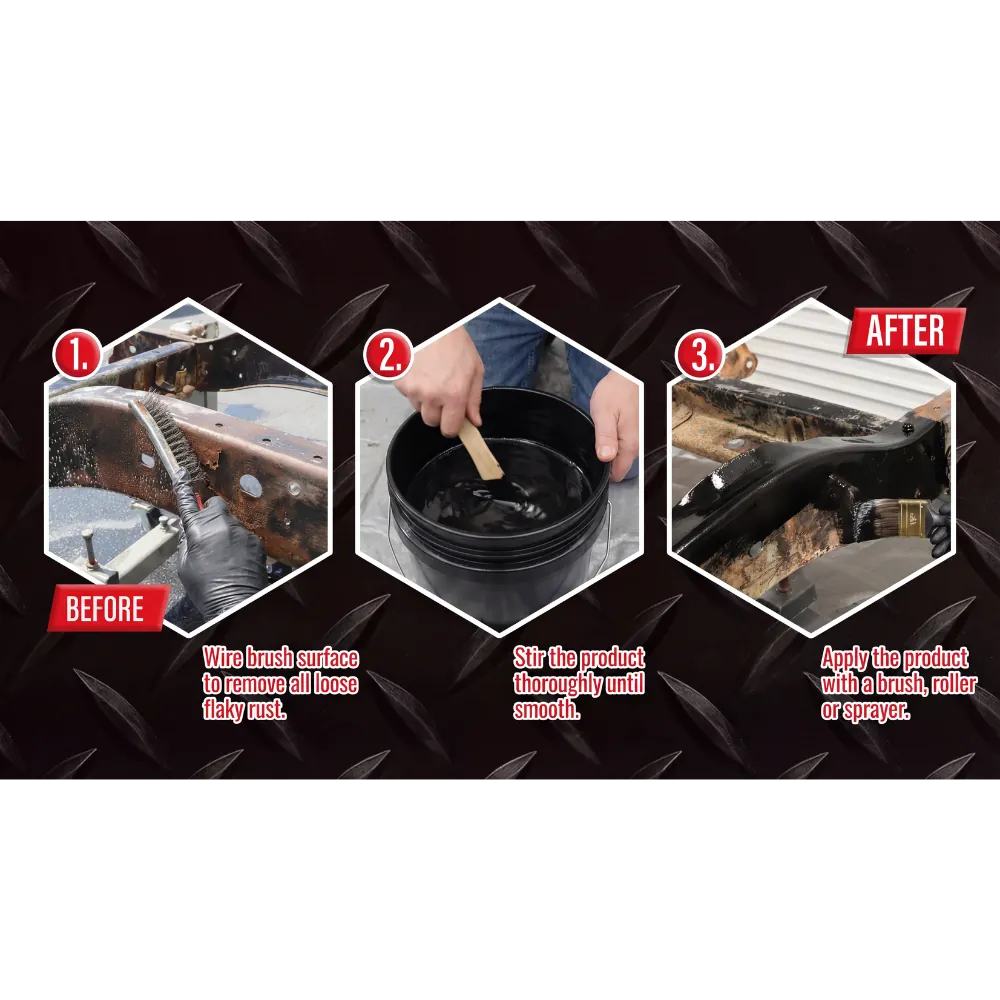
Cost: $15-40 per quart. Time: 15 minutes to apply, 24 hours to cure. Best for: Large surfaces, hard-to-reach areas, moderate-to-heavy rust where sandblasting is impractical.
We wrote a separate deep dive on how rust converter chemistry works if you want the full picture.
Annual global cost of corrosion (AMPP/NACE IMPACT Study, reaffirmed 2025)
Approximately one-seventh of all iron produced globally goes toward replacing metal lost to corrosion (npj Materials Degradation, 2022)
DECISION FRAMEWORK
Choosing the Right Method by Rust Severity
Not every rusty surface calls for the same fix. Here’s a quick way to decide what to reach for, based on what you’re actually looking at.
Light Surface Rust
Orange discoloration. No flaking. No pitting when you run your fingernail across it. The metal underneath is fully intact.
Go with vinegar, baking soda, citric acid, or lemon juice. These are gentle, cheap, and more than adequate for early-stage corrosion. A bag of rusty nails or a discolored cookie sheet? Vinegar soak overnight. Problem solved.
Moderate Rust
Flaking has started. Some pitting visible when you scrape the flakes off. The surface feels rough, cratered in spots, but the metal still has structural integrity.
Commercial rust removers (phosphoric acid gels, chelation soaks) or a rust converter are your best bets. If you’re going to paint the surface, conversion saves time. If you want bare, clean metal (for welding, for instance), use a commercial remover followed by sanding.
Heavy Scale Rust
Thick, layered crust. Deep pitting. Chunks break off when you tap the surface. But the metal behind the scale is still solid enough to serve its purpose.
Wire brush or grind off the loose material first. Then apply a rust converter on the remaining corrosion, especially if you’re painting. Or grind all the way to bare metal if the project demands it (a show car, for example). The combination of mechanical pre-cleaning plus conversion tends to give the best balance of speed and durability for working vehicles and outdoor structures.
Perforated / Through-Rust
You can see daylight through it. A screwdriver pokes through with light pressure. The metal is gone in spots.
No converter or remover fixes this — full stop. The corroded section needs to be cut out and replaced with new metal, then welded and sealed. Be suspicious of anyone (or any product) claiming otherwise. Conversion treats existing iron oxide; it cannot rebuild iron that no longer exists.
COMMON QUESTIONS
Frequently Asked Questions
For speed, a phosphoric acid gel (like Naval Jelly) dissolves moderate rust in 10-15 minutes. Mechanical methods (angle grinder with a flap disc or sandblasting) strip heavy rust faster than any chemical, though they require more equipment. If the goal is a paintable surface rather than bare metal, a rust converter applied by brush or roller takes about 15 minutes of active work and cures overnight.
Yes. The acetic acid in white vinegar (typically 5% concentration) dissolves iron oxide. It works best on light surface rust and small items you can fully submerge for 12-24 hours. Heavy rust or large surfaces are pretty much beyond vinegar’s reach. Think bolts and hand tools, not truck frames.
Baking soda paste acts as a mild abrasive and helps loosen light surface rust when scrubbed with a brush or aluminum foil. It won’t dissolve heavy corrosion. For anything beyond light discoloration, you will want a stronger acid-based method or mechanical removal.
A rust remover dissolves or strips iron oxide from the metal surface, leaving bare steel behind. A rust converter chemically transforms the iron oxide into a stable compound (iron tannate or iron phosphate) and seals it with a polymer layer. Removers are ideal when you want clean, bare metal. Converters are ideal when you plan to paint the surface and want to skip the stripping step.
Painting directly over untreated rust is a bad idea. The paint won’t adhere well, and the rust will continue spreading underneath. But you can paint over rust that has been treated with a converter. The converter stabilizes the rust and creates a primer-ready surface. Products like XionLab 2-in-1 serve as both converter and primer, so your topcoat goes right on top.
Coca-Cola contains phosphoric acid, which does dissolve rust. However, it also contains sugar, which leaves a sticky residue. It kind of works on very light rust (a corroded battery terminal, for instance), but dedicated citric acid or vinegar solutions are cheaper, cleaner, and more effective. Coke is better as a drink than a rust remover.
Chemical methods (vinegar, citric acid, commercial removers) dissolve rust with minimal impact on healthy metal, especially when you monitor soak times and don’t leave parts submerged for days. Rust converters are even gentler because they do not strip material at all. Avoid aggressive grinding on thin metal or decorative surfaces where material loss could be a problem.
Phosphoric acid gels (Naval Jelly and similar products) dissolve moderate rust in under 30 minutes. Hydrochloric acid (muriatic acid) is even faster but extremely aggressive and dangerous to handle. For most home and shop use, a phosphoric acid-based commercial remover strikes the best balance between speed and safety.
GET STARTED
Ready to Stop Fighting Rust?
XionLab 2-in-1 converts rust into a paintable primer in one step. No sandblasting. No grinding. Just brush it on and move on.