Rust converter
Nissan Frontier Frame Rust: Causes, Fixes & Long-Term Protection
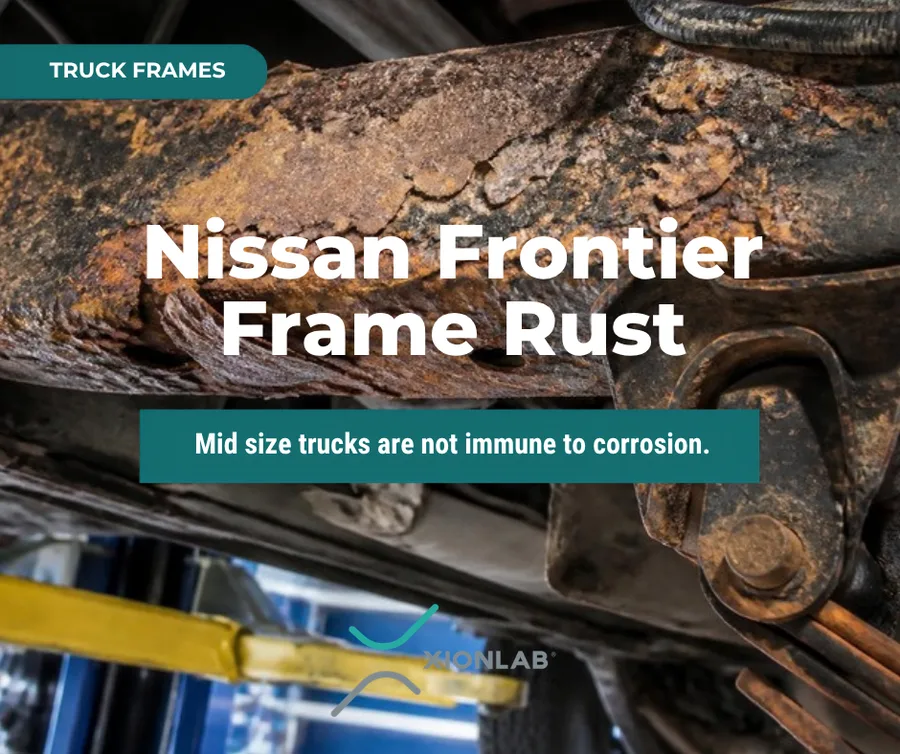
Quick Answer. Yes, Nissan Frontier frames can rust, mostly on second generation trucks from 2005 through 2021 living through salt belt winters. The weak spots are the boxed rails ahead of the rear wheels and the leaf spring mounts. Catch it early, clean to sound steel, convert what remains, and coat the whole frame.
The Reality Check
Does the Nissan Frontier Really Have a Frame Rust Problem?
Start with the confusing part. Read a few owner forums and you’ll find two camps. One owner of a 2007 truck reports a hole on the inside of the frame rail, just ahead of the rear wheel. Another longtime member says he’s never seen frame rust on a second generation Frontier. Both can be telling the truth.
Here’s why. Frontier frame rust looks like a regional and maintenance story, not one factory defect hitting every truck. A pickup with fifteen Michigan winters behind it lives a different life from one parked in central Texas, where one forum moderator pointed out the roads barely get salted at all.
Then there’s the Spain problem. Nissan’s European Navara, a cousin of the Frontier built in Spanish factories, made headlines around 2017 when frames on trucks from roughly 2005 to 2014 started fracturing near the rear axle. British lawmakers piled on, and Nissan offered inspections and buybacks for the worst cases. American Frontiers weren’t built there, so the scandal doesn’t translate directly to your driveway.
What about a recall? Toyota recalled Tacomas for frame corrosion, and owners keep asking whether Nissan will follow. In the recall data we reviewed, no campaign targets Frontier frame rust. Run your VIN through the NHTSA recall lookup anyway, because those records change. And if you own the Toyota instead, our Tacoma frame rust recall guide covers the history.
Bottom line. Treat your Frontier frame as a wear item. Salt, trapped mud, and thin boxed steel will win eventually. Your job is to slow them down.
Know Where To Look
Where Frontier Frames Rust First
Rust doesn’t spread evenly. It starts where water gets in and can’t get out. On a Frontier that means a short list of places worth checking every fall.
- Ahead of the rear wheels. Owners report holes on the inside face of the rail here, right where the cab and bed sections meet the frame and spray from the tires lands.
- Rear leaf spring hangers and shackle mounts. These carry real load, so scale here deserves more attention than a cosmetic patch on a crossmember.
- Crossmember joints and weld seams. Water sits in the seam, and the rust grows from the inside out.
- Brake line clips and fuel line brackets. One owner lost a front brake line to corrosion. A snapped line is a bigger deal than a rusty rail.
- Bed mounts and the bumper. Reviewers of 2012 trucks flagged a factory spray in bed liner hiding corrosion until it bubbled, plus a painted steel bumper with little protection beyond the paint.
Boxed rails are the sneaky ones. The outside can look fine while the inside flakes away, since there’s no drainage and almost no airflow. Picture it: salt sits in a seam, the seam never dries, a little scale forms, the scale holds even more water, and by the time you notice a brown stain running down the rail from a spring hanger, the steel behind it has been quietly thinning for two or three winters.
The Root Causes
Why Frontier Frames Rust (Salt, Seams, and Mud)
Rust needs iron, oxygen, and moisture. Your frame supplies the iron for free. Weather and driving habits supply the rest.
Road Salt and Brine
Salt doesn’t cause rust by itself. It makes water far better at conducting electricity, which speeds up the corrosion reaction. Northeast, Great Lakes, and upper Midwest trucks see months of brine every winter, and modern road crews often spray liquid brine, which clings to metal better than rock salt ever did.
Estimated yearly global cost of corrosion, about 3.4% of world GDP, according to the AMPP IMPACT study.
Coastal Humidity
Gulf Coast and Atlantic trucks fight a different battle. Salt air plus months of humidity keeps frames damp. Pacific Northwest owners deal with constant drizzle instead. Dry Arizona trucks barely rust at all, which is why they sell for a premium.
Trapped Mud and Debris
Off road use packs mud into every pocket of the frame and skid plates. Mud acts like a wet sponge against steel—and it stays damp for weeks after a trail day. Hose it out. Really.
Thin Steel, Little Margin
Truck frames use fairly thin sheet steel formed into boxed shapes, so a few years of active scale eats a larger share of the wall than you’d expect. Lose a third of a thin wall and you’ve lost a lot of strength.
Check Before You Treat
How to Inspect a Nissan Frontier Frame for Rust
Grab a flashlight, a pick or flat screwdriver, and a small hammer. Park on level ground, jack the truck up safely, and set it on stands. Never crawl under a vehicle held by a jack alone.
Tap along each rail every few inches, working front to back. Solid steel rings. Weak steel thuds. Scale flakes fall off in sheets, and anything that gives under a firm pick poke means the metal is gone. Pay special attention to the inside faces, the areas around the leaf spring hangers, and every seam you can see. A cheap inspection camera helps peer into boxed sections.
If you’d like a broader walk through the whole truck, our truck frame rust repair guide covers the full inspection routine.
| Rust Stage | What You See | Tap Test | Realistic Fix |
|---|---|---|---|
| Surface rust | Orange dusting, light pitting | Rings solid | Wire brush, convert, prime, coat |
| Scale rust | Flaking layers, bubbled paint, rust stains from seams | Dull sound, flakes fall off | Chip and wire wheel to sound steel, convert, coat |
| Penetrating rust | Holes, soft spots, split seams | Pick pokes through | Weld in repair plate or replace the section, then protect |
Here’s the honest limitation. Chemistry can’t rebuild steel already turned to powder. If a pick goes straight through a leaf spring hanger area or the rail near the rear axle, the frame needs a welder or a shop, not a bottle. And honestly, if a rail looks like Swiss cheese, shopping for a different truck may cost less than the repair.
The Fix
Treating Frontier Frame Rust at Home, Step by Step
Surface and moderate scale rust are very doable in a weekend. Plan for about a day of prep, then drying time between coats.
1. Wash and Dry
Pressure wash the frame to knock off mud and salt crust, paying attention to boxed ends and pockets. Let the truck dry for a full day. Moisture left in seams ruins the next steps.
2. Remove Loose Scale
Chip with a hammer and scraper, then hit the area with a wire cup brush on an angle grinder. Wear safety glasses, a respirator, and gloves, since rust dust and old undercoating are nasty to breathe. You’re after sound, firm metal. A thin layer of tight rust in pits is fine.
3. Convert What Remains
A rust converter reacts with leftover iron oxide and turns it into a stable, paintable layer, typically black or dark gray. Brush it on thin, cover every pit, and let it cure as the label directs. Our guide on stopping rust from spreading explains why leaving even small patches untreated lets corrosion creep under the coating.
4. Prime and Topcoat
Brush on a chassis or rust inhibiting paint over the cured converter. Two thin coats beat one fat coat. Pay special attention to weld seams and edges, where coatings thin out first.
5. Seal the Inside
Boxed rails need protection from within. Use a wax or oil based cavity spray with a flexible extension wand through the factory holes. Fair warning — this part is messy, and the drips will land on your driveway.
Truck owners with other makes will recognize the routine. The same process works on a Ford F150 or a Chevy Silverado, and the steps barely change.
Stay Ahead of It
Keeping Frame Rust From Coming Back
Treating rust once feels great, and it should, since you spent a Saturday on your back with a wire brush and a headlamp while the neighbors mowed their lawns and wondered what on earth you were doing under that truck for six straight hours. Keeping it away takes a small yearly habit. Nobody enjoys it, but ten minutes with a hose in spring beats a four figure repair bill.
Rinse the underside after salty drives—especially the pockets near the rear wheels—and then schedule a fall inspection before the first brine truck rolls out, because treating a frame in October costs far less time than chasing leaks in February with frozen fingers. Use a lower pressure setting and aim from several angles.
| Protection Method | Typical Lifespan | Best For | Tradeoff |
|---|---|---|---|
| Oil or lanolin spray | About one year | Salt belt trucks, annual reapplication | Drips and stays tacky |
| Wax undercoat | One to two years | Moderate climates, boxed rails | Needs a clean, dry surface |
| Chassis paint over converted steel | Several years | Frames freshly treated and prepped | Chips can let moisture creep underneath |
| Thick rubberized undercoating | Varies widely | Quiet cabin, new clean steel | Hides cracks and can trap moisture |
Most pros in the salt belt layer protection. A converted and painted frame, plus a yearly oil or wax top up in the vulnerable spots. For a wider look at coatings, see our underbody rust protection guide.
And keep an eye on small things. Plugged drain holes in the bed, cracked body mount bushings, and a leaky wheel well liner all channel water straight onto your frame. Fix them early.
The Hard Call
When Repair Stops Making Sense
Some trucks are past saving at home. Watch for a frame rail that flexes visibly, holes larger than a quarter, rust through at the spring hangers, or a shop flagging the truck at inspection. A professional frame replacement or sectional repair can run into the thousands, before you even count labor for swapping parts over.
Run the numbers honestly. A truck worth six thousand dollars with a frame needing five thousand in work is a hard sell. But a clean, low mile truck with one repairable rail? Worth fixing.
Not sure? Get a second opinion from an independent frame or body shop, and ask for photos of the damage. A good shop will show you.
Quick Answers
Frequently Asked Questions
Do Nissan Frontiers have a frame rust recall?
In the NHTSA recall data we reviewed, no campaign specifically addresses frame rust on the US Frontier. Check your VIN at nhtsa.gov/recalls, because new recalls can appear at any time.
Which Nissan Frontier years rust the worst?
Owners report frame rust on second generation trucks built from 2005 through 2021, mostly in salt belt states. Age, climate, and maintenance matter more than any single model year.
Can I stop frame rust with a rust converter?
A converter stops surface and scale rust by chemically changing it into a stable layer. It can’t replace steel already rotted away, so check for holes first.
How often should I wash my Frontier’s underside in winter?
Rinse after any trip on salted roads when temperatures climb above freezing, or at least every couple of weeks in heavy salt regions. Focus on the frame pockets and spring hangers.
Is undercoating worth it on a Frontier?
Yes, if you apply it to clean, dry, rust free steel. Wax and oil products let the metal breathe and are easier to renew. Thick rubberized coatings can hide damage and trap moisture once they crack.
How much does Frontier frame repair cost?
Costs vary by shop and region. Small weld in repair plates cost far less than a full frame replacement, which can run into the thousands. Get at least two quotes.
Keep Learning About Rust Protection
Browse our full library of rust treatment guides for trucks, cars, fences, tanks, and more.
Questions? Call 888-306-2280
Safer For You, Safer For The Environment