Rust converter
Rust Prevention Spray: How to Protect Metal Before Corrosion Starts
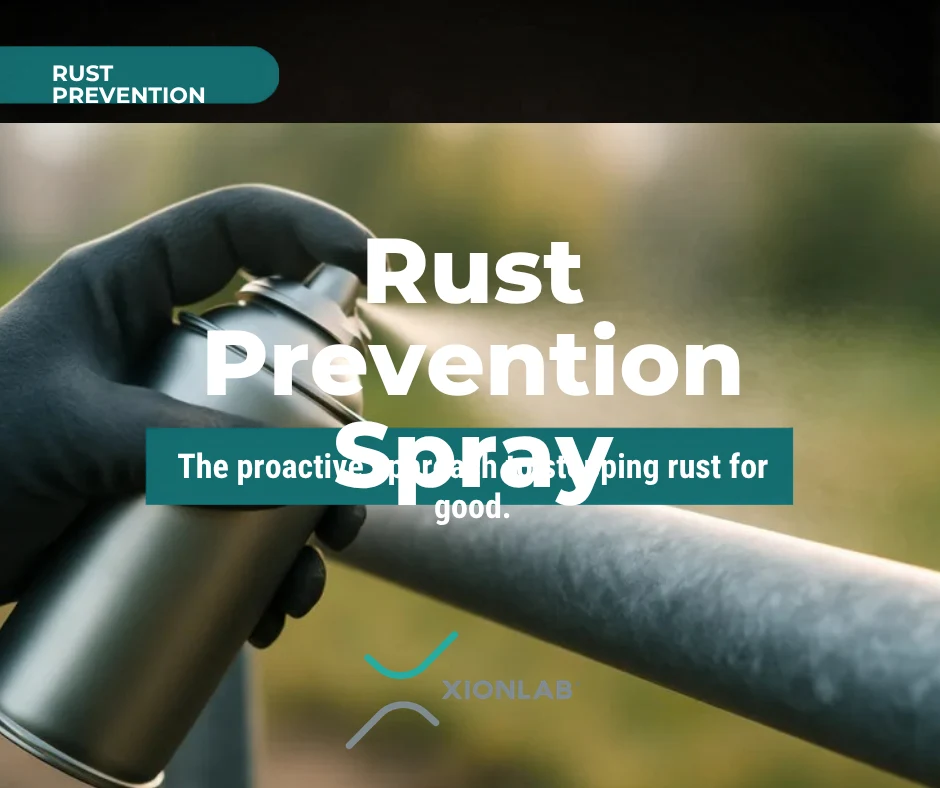
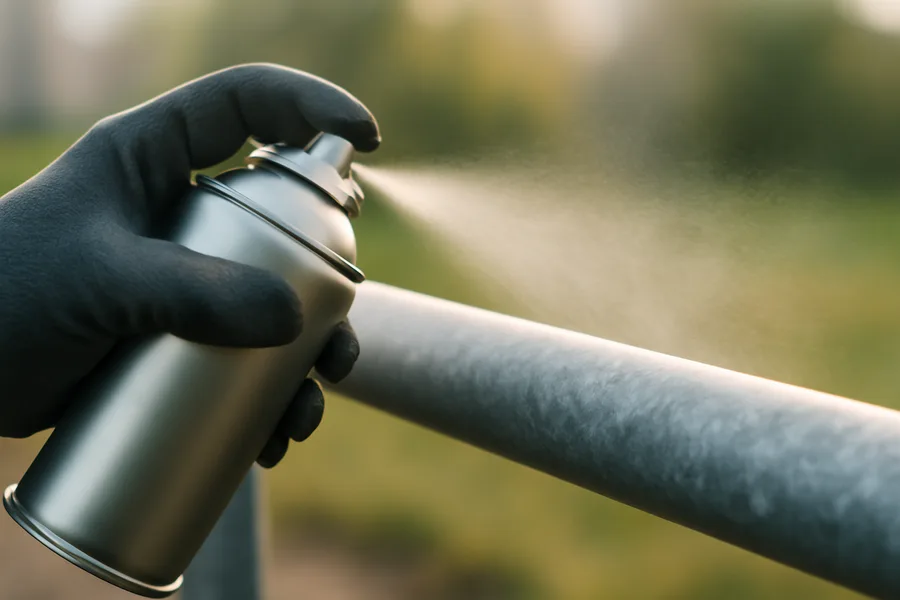
Quick answer: Rust prevention spray stops corrosion before it starts by sealing bare metal off from oxygen and moisture. Most sprays fall into three camps — barrier coatings, vapor phase inhibitors, and oil based films. Match the right one to your climate, prep the surface well, and a single can buys you months or even years of protection.
The Basics
How Rust Prevention Spray Works
Rust is just iron trying to go back where it came from. Give bare steel some oxygen and a little water, and it slowly turns to iron oxide — the flaky orange stuff nobody wants on a truck frame or a patio set. A prevention spray interrupts the reaction. It lays a thin film between the metal and the air, so the two never get to mix.
Simple idea. The execution is where products part ways.
Some sprays build a hard shell you can see and feel. Others leave an oily layer you’d barely notice. And a few release vapors that cling to metal even in spots the nozzle never reached. Each one fights the same enemy from a different angle.
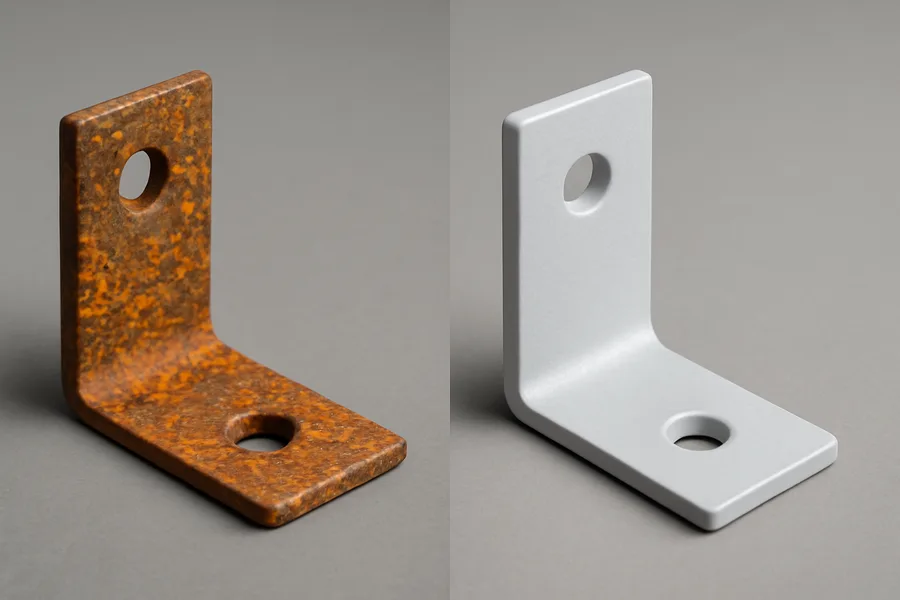
Picture two identical steel brackets left on a damp garage floor through the spring. Coat one, leave the other bare. Come back in three months and the difference is stark — one wears a faint protective sheen, the other a crust of orange scale you can flake off with a thumbnail. Same metal, same air, wildly different outcomes. The only variable was a few seconds with a can.
Why bother spraying before any rust shows up? Because corrosion is sneaky, and it gets expensive once it digs in. Catching metal while it’s still clean is the cheapest move you’ll ever make. Curious about the chemistry underneath all this? Our guide on how rust forms and spreads breaks it down in plain language.
Estimated yearly global cost of corrosion, roughly 3.4% of world GDP, according to the NACE International IMPACT study.

Know Your Options
The Three Types of Prevention Spray
Walk down any hardware aisle and the labels blur together. But peel back the marketing and you’ll find three real families.
Barrier coatings
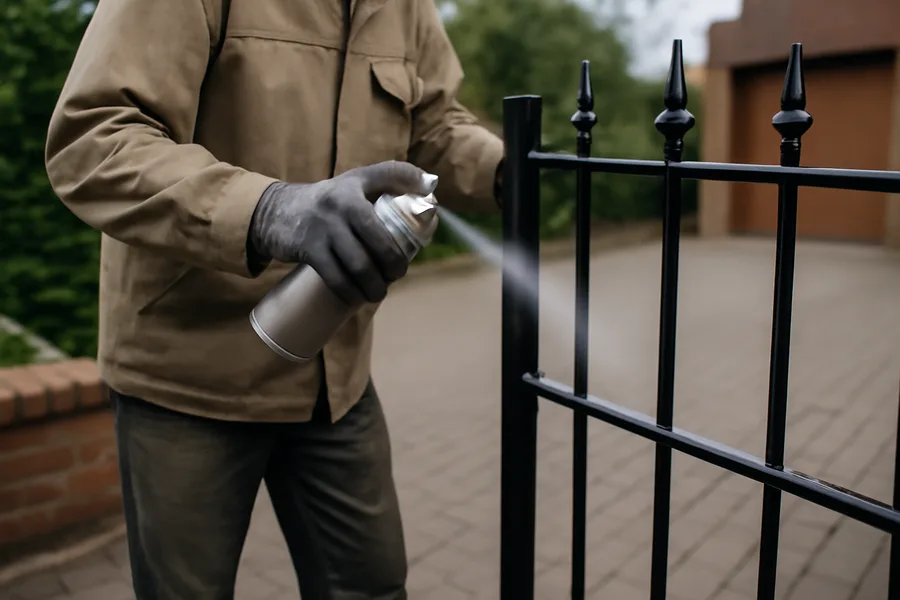
These dry into a tough skin — clear lacquers, enamels, paint style finishes. They physically wall the metal off from the air. Good for surfaces you can see and want to keep looking sharp, like railings, gates, or tools on display.
Vapor corrosion inhibitors
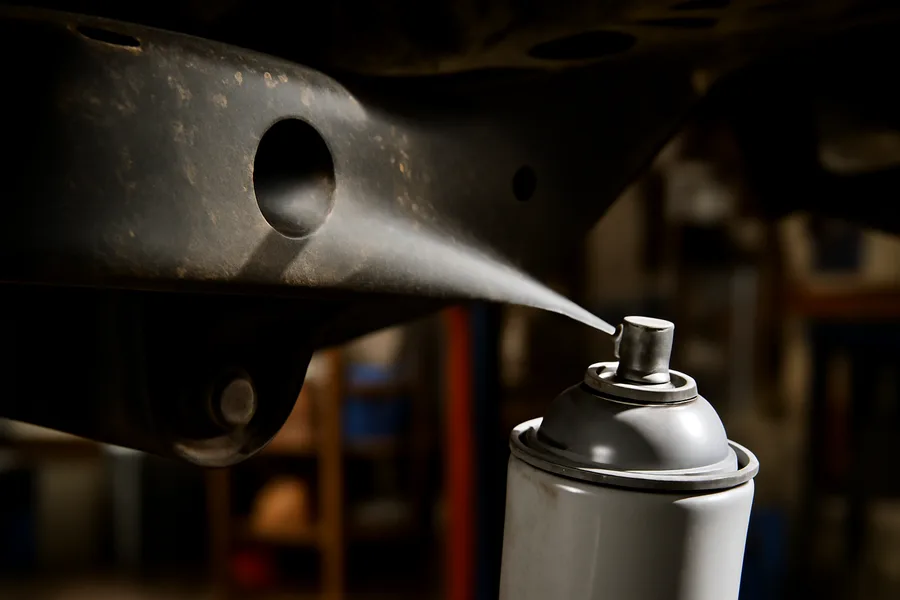
Here’s the clever part. The spray releases molecules into the air around the metal, and those molecules settle on every nook, even hidden seams and box sections. Fleet shops love VCIs for enclosed cavities no brush can reach.
Oil and wax based films
Think of a thin protective grease. It stays a little soft, creeps into scratches, and shrugs off water. Farmers swap stories about coating their implements with this stuff before winter sets in. The tradeoff? It grabs dust, and you wouldn’t want it on a surface your hands touch all day.
So which family wins? None of them, really. Each one suits a different job, and picking wrong is how people end up disappointed.
Doing It Right
How to Apply It So It Lasts
Here’s where most people go wrong. They spray over dirt, grease, or old rust and then wonder why the coating peels within a month. Prep is everything.
Start clean. Wipe the metal down, scrub off loose scale, and let it dry all the way through. Moisture trapped under a coating is a slow disaster. If rust has already set in, you’ve got a different problem on your hands — a prevention spray won’t fix active corrosion, and you’ll want to read up on proper surface preparation before going further.
Then go light. Two or three thin passes beat one heavy coat every single time. A thick layer traps solvent, sags, and cures unevenly. Hold the can roughly eight to ten inches back and keep your hand moving the whole pass.
Temperature matters more than most labels admit. Spraying in freezing cold or blazing heat wrecks the cure. Pick a mild, dry day. And give each coat its full dry time before the next one goes on — a little patience here pays off for years.
One more thing folks forget. Hidden surfaces rust first. Undersides, weld seams, the back of a bracket where moisture pools and nobody ever looks. Those are the spots to hit hardest.
Don’t skip the cure
Drying and curing aren’t the same thing. A coat can feel dry to the touch in twenty minutes and still sit weeks away from its full hardness. Rush it back into service and you’ll scuff the soft film right off, undoing all your careful prep. So mind the cure window, not just the dry time. Treat freshly coated metal gently for the first few days, keep it out of the rain, and let the chemistry finish its work before you lean a ladder against it.
Location, Location
Match the Spray to Your Climate
Where you live changes the math. A spray lasting two years in dry Arizona might give you eight months on the Gulf Coast.
Salt belt states — the upper Midwest, the Northeast, anywhere road crews dump tons of de icing salt across the pavement each winter — chew through coatings fast enough to make even a careful annual reapplication feel like a losing battle against the salt. Vehicles up there need tougher films and more frequent touch ups.
Coastal air is its own beast. Salt fog drifts inland for miles, settling on fences, grills, and outdoor furniture alike. People near the ocean reapply every season, no exceptions. For salt water gear, our notes on marine corrosion protection cover the harsher end of the scale.
Humid regions like the Southeast keep metal damp for hours after a storm passes. The Pacific Northwest? Constant drizzle, less salt, but moisture never quits. Even dry climates aren’t off the hook — temperature swings cause condensation, and condensation is just rust biding its time.
There’s a money angle worth sitting with. Reapplying a cheap can twice a year still costs less than a single body panel repair or one rusted out frame member. Fleet managers run those numbers and land on prevention nearly every time — the spreadsheet doesn’t lie. And a homeowner trying to save a grill or a gate sees the very same logic, just on a smaller scale.
Got outdoor furniture you want to save? There’s a whole guide on protecting patio sets worth a quick look.

The Honest Part
Where Spray Falls Short
Fair warning — spray isn’t magic. It buys you time, not immortality.
A prevention spray can’t undo damage already done. If rust has taken hold, coating over it just seals the corrosion in to keep working underneath. You’ll need a converter or remover then, not a barrier coat.
Coatings also wear. Abrasion, sunlight, road grit, and plain old time break them down. The film you laid last spring may be half gone by fall on a high wear surface. Reapplication isn’t optional. It’s the price of admission.
And no spray substitutes for good design and drainage. If water sits in a channel or a body panel with no way out, you’re fighting physics, and physics wins. Sometimes the real fix is a drain hole, not another can. Modern formulas are also shifting toward water based, low VOC chemistry, which is better for your lungs and the air around you — something the EPA watches closely.
Storage trips people up too. A can left in a freezing shed or a baking truck cab can separate inside or lose its pressure, and a tired can sprays uneven every time. Shake it hard, test the pattern on a scrap of cardboard, and toss it if the fan sputters instead of misting.
So treat spray as one layer in a bigger plan. A solid first move. Rarely the only one.
Head to Head
Spray vs Other Methods
Spray is convenient, sure. But it isn’t the only tool in the shed. How does it stack up against the heavier hitters?
| Method | Best For | Lasts | Effort | Cost |
|---|---|---|---|---|
| Prevention spray | Quick coverage, hidden cavities, regular touch ups | Months to 2 years | Low | Low |
| Powder coating | Factory level durability on new parts | 10+ years | High, needs an oven | High |
| Galvanizing | Structural steel, fencing, hardware | Decades | Very high, industrial | Medium to high |
| Oil or wax film | Equipment, undercarriages, off season storage | One season | Low | Low |
| Paint over primer | Visible surfaces you want colored | 3 to 7 years | Medium | Medium |
The honest takeaway? For most homeowners and fleet managers, spray hits the sweet spot of cost, speed, and decent protection. Powder coating and galvanizing win on raw longevity, but nobody’s doing those in a driveway on a Saturday. Want the full strategy laid out? Our A to Z guide to rust prevention walks through every option, step by step.
Questions People Ask
Frequently Asked Questions
Does rust prevention spray work on metal that already has rust?
Not really. A prevention spray is built for clean or only lightly oxidized metal. Seal over active rust and you trap the problem underneath. Remove or convert the corrosion first, then protect what’s left.
How long does rust prevention spray last?
Depends on the type and your climate. A barrier coating might hold two years in a dry garage. The same can could fade in six months on a coastal fence battered by salt fog. Plan to reapply on a schedule.
Can I spray it over existing paint?
Usually, yes, as long as the paint is sound and clean. Clear barrier sprays and films layer fine over intact paint. Flaking or bubbling paint needs to come off first, though, or your new coat fails with it.
Is rust prevention spray safe for the environment?
It varies by formula. Older solvent heavy sprays release more fumes. Newer water based options cut way down on VOCs. Read the label, ventilate well, and lean toward the greener chemistry when you can.
How many coats do I really need?
Two or three thin passes usually beat a single thick one. Thin coats cure evenly and grip better. Let each layer dry fully before adding the next, and resist the urge to rush it.
Will it work inside enclosed areas like frame rails?
Vapor inhibitors shine there. They release protective molecules into trapped air and reach spots a nozzle physically can’t. For open, visible surfaces, a barrier coating or an oil film does the job better.
Do I need to strip old coating before I reapply?
Not always. If the old film is intact and clean, a fresh coat bonds right on top of it. If it’s flaking, cracked, or greasy, take it back to a sound surface first. A coating is only as good as whatever sits beneath it.
Stop Rust Before It Starts
Prevention beats repair every time. Dig into our full library of rust treatment and protection guides, and find the right approach for your metal.