Rust converter
How to Stop Rust on a Car Before It Eats Through the Metal
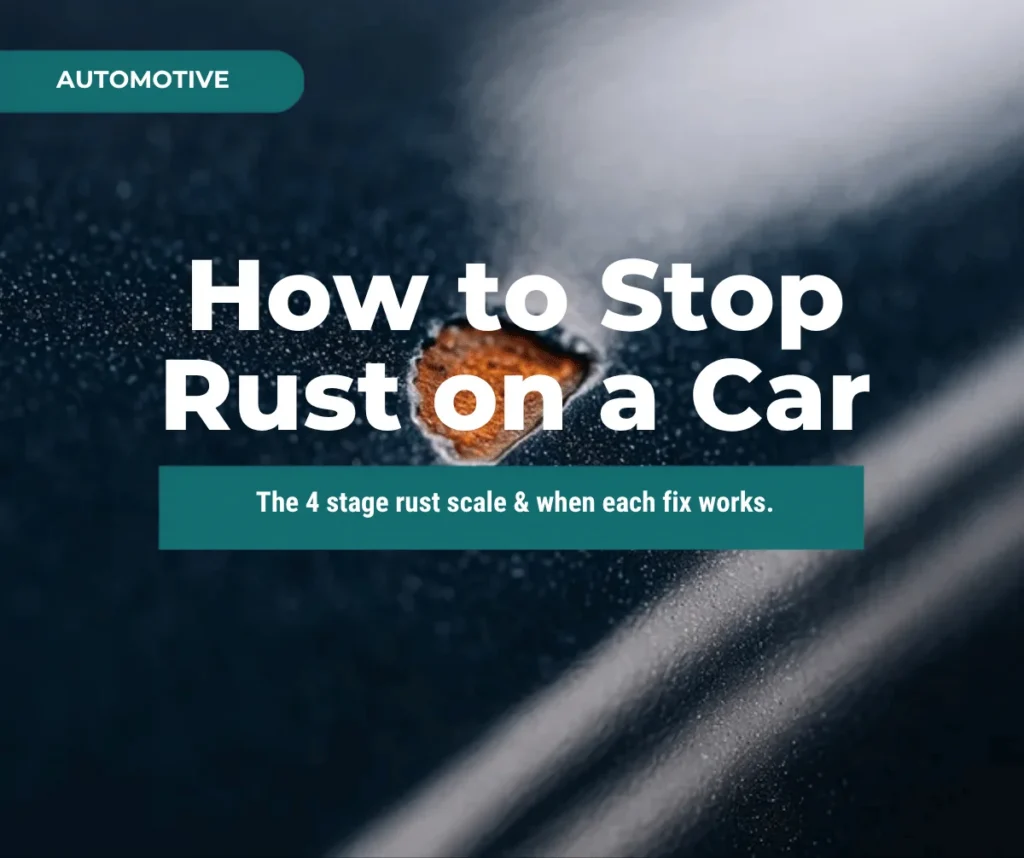
Quick answer: Stopping rust on a car comes down to matching the repair to the stage of corrosion. Surface rust is a weekend job with an abrasive pad, a rust converter and a topcoat. Scale rust demands mechanical removal first. And once the steel perforates, no coating on earth will stop it. The panel has to be cut out and replaced.
Diagnosis
The Four Stage Rust Scale
Rust doesn’t arrive all at once. It arrives in stages. Each stage answers to a completely different repair, and body shops have quoted jobs this way for forty years, yet almost every guide online treats an orange stain on a door skin and a hole through a rocker panel as one identical problem. They aren’t.
Stage One, Surface Rust
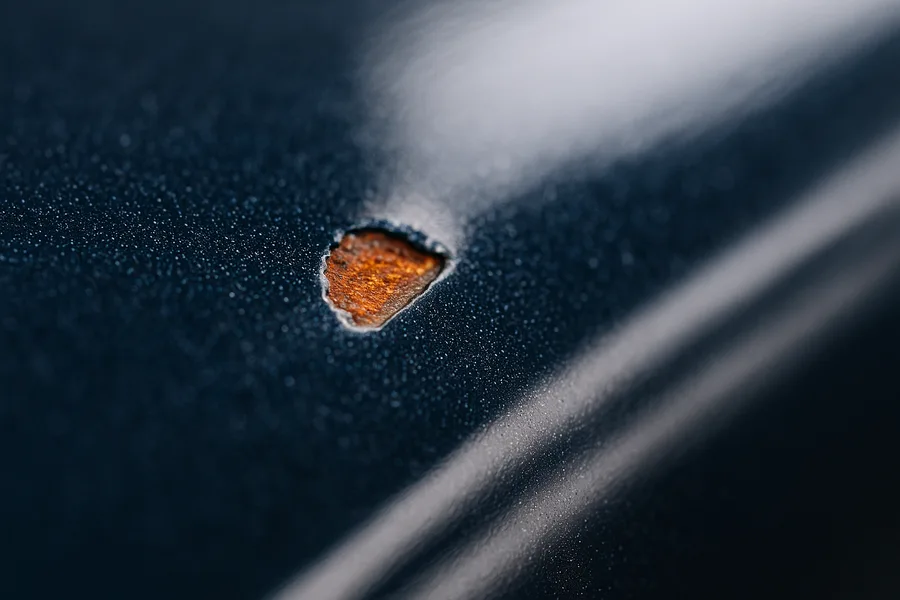
Paint got chipped, oxygen found bare steel, and a thin orange film formed. The metal underneath still measures full thickness. Press a screwdriver into it and nothing gives. Cosmetically ugly, structurally meaningless.
Stage Two, Scale Rust
Now the oxide layer has grown thick enough to lift and flake, carrying paint along with it. Drag a thumbnail across a scaled patch and pieces come away like burnt paper. The steel below has lost real thickness — often a third of it — though the panel still holds its shape under hand pressure.
Stage Three, Penetrating Rust
Corrosion has worked from one face of the metal through to the other. The panel feels soft. A screwdriver tip pushes in with almost no effort, and the sound when you tap it changes from a sharp ring to a dull thud.
Stage Four, Perforation
Holes. Crumbling edges. A panel no longer doing the job its engineers assigned it.
So why does staging matter this much? Because a converter brushed onto stage one steel will hold for years, while the same product painted over stage three metal is decoration on a hole. Same bottle, same technique, wildly different outcome. The difference isn’t the product at all — it’s the diagnosis you made before opening it.
U.S. drivers spend roughly $3 billion a year repairing rust damage caused by road de-icers, averaging close to $500 per incident, according to AAA research.
Inspection
Where Rust Starts on Almost Every Car
Cars corrode in predictable places. Water pools, salt collects, air barely circulates, and oxidation gets to work in the dark where nobody looks. Learn the seven usual suspects and a full walkaround takes ten minutes with a flashlight and a cheap inspection mirror.
- Rear wheel arches. Road spray hits the inner lip constantly. Rust almost always starts inside and pushes outward, which is why the paint bubbles before anything visible appears.
- Rocker panels. The strip below your doors catches everything thrown forward by the front tires. On salted roads, this is usually the first structural area to go.
- Door bottoms. Every door has drain holes along the lower edge. Pine needles plug them. Water then sits inside the shell for months.
- Trunk floor and spare tire well. Lift the mat. A wet spare well is a leak you didn’t know about, and leaks rot floors from the top down.
- Brake and fuel lines. Steel lines run the length of the underbody, unprotected. A corroded brake line is a safety failure, not a cosmetic one.
- Strut towers and subframe mounts. Structural steel with poor drainage and a lot of trapped road grime.
- Windshield and rear glass channels. Old urethane cracks, water wicks under the pinch weld, and rust blooms beneath the trim.
Geography shifts the order. Salt belt states from Ohio east through New England kill rockers and frames first, because magnesium chloride brine clings to metal long after it dries. Gulf Coast owners see something different — airborne salt with high humidity attacks chrome trim, fasteners and the tops of panels rather than the underside. Pacific Northwest cars rarely meet road salt at all, yet constant damp finds any spot where two panels meet.

Repair
Stopping Stage One and Stage Two Rust
Here’s the good news. Stage one and light stage two are genuinely within reach of anyone with an afternoon and about forty dollars of supplies. No welder, no compressor, no booth.
Clean the area properly
Wash with automotive soap, rinse, dry, then wipe with wax and grease remover. Skipping the solvent wipe is the single most common reason a repair lifts three months later. Silicone from old detailing sprays will ruin adhesion in ways soap never touches.
Abrade back to sound metal
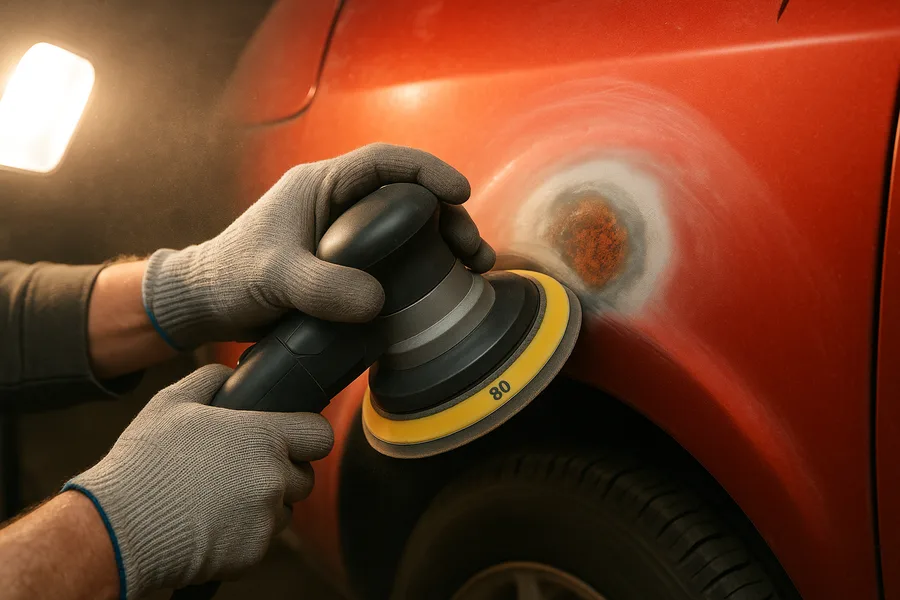
An 80 grit disc or a coarse abrasive pad takes loose oxide off quickly. Feather the surrounding paint back about a quarter inch past the visible damage, because corrosion always extends further under the film than your eye suggests. Stop when the surface is uniformly dull gray with no orange flaking.
Convert what remains
Pitted steel holds rust in crevices a disc will never reach. A converter handles those, chemically transforming iron oxide into a stable black layer bonded to the substrate. Our guide on how rust converters actually work walks through the chemistry, and the companion piece on treating automotive rust without a body shop covers panel specific technique.
Prime, then topcoat
Converters aren’t UV stable on their own. Two coats of primer, then color, then clear if the repair sits anywhere visible. For a deeper walkthrough of the sequence, see what happens when you paint over rusted metal.
Fair warning. None of this holds on a damp day. Below 50 degrees or above 70 percent relative humidity, converters cure poorly and primers trap moisture underneath. A cool dry garage beats a humid driveway every single time.
Escalation
Scale Rust and the Tools It Demands
Heavy scale changes the job. Hand sanding won’t cut it, and neither will a stiff brush. You’re now removing a hard brittle crust sometimes an eighth of an inch thick, bonded to steel underneath.
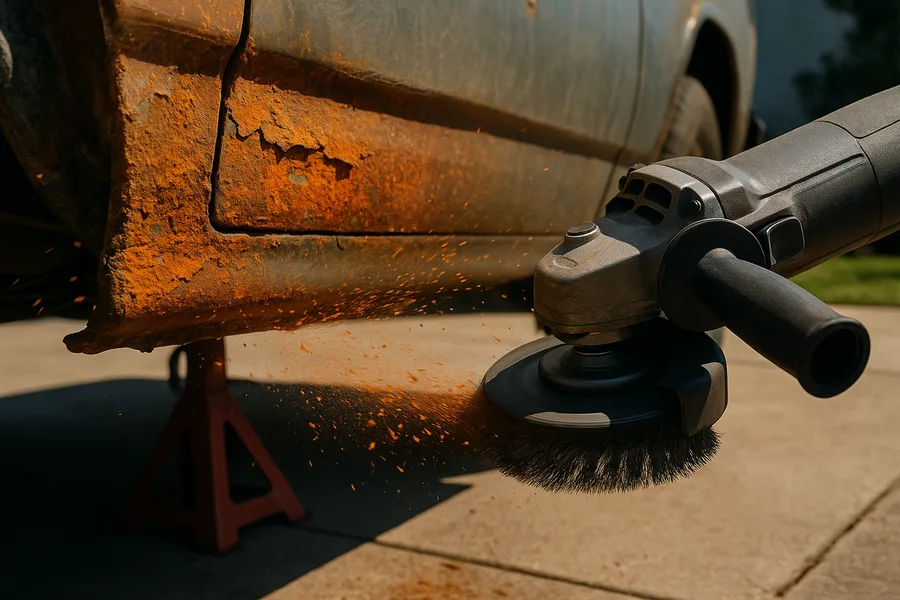
A wire cup brush on an angle grinder strips scale fast, though it burnishes rather than cuts and can polish pits closed instead of opening them. An 80 grit flap disc removes more material but eats panel thickness if you linger. Most people get the best result by alternating. Flap disc to knock the bulk off, wire cup to clean the pits, then a final pass with the flap disc held almost flat.
One caution nobody mentions. Grinding generates heat, and heat warps thin sheet metal permanently. Work in short bursts of maybe fifteen seconds, move around, let the panel cool between passes. A warped door skin looks worse than the rust did.
| Stage | What You See | Correct Method | Typical DIY Cost | Shop Cost |
|---|---|---|---|---|
| Stage 1 Surface | Orange film, paint chip, no texture | Abrade, convert, prime, paint | $30 to $60 | $150 to $400 |
| Stage 2 Scale | Flaking layers, bubbled paint | Grinder plus converter, then coat | $60 to $120 | $400 to $1,500 |
| Stage 3 Penetrating | Soft metal, dull tap, screwdriver sinks | Cut and patch, or panel section | Not realistic | $1,500 to $5,000 |
| Stage 4 Perforation | Visible holes, crumbling edges | Panel or structural replacement | Not realistic | $2,500 to $10,000 |
Safety
When to Stop and Call a Body Shop
Some corrosion isn’t a paint problem. It’s a safety problem, and treating it with a brush is worse than leaving it alone, because a black coating over a weak spot hides the warning sign.
Stop and get a professional opinion the moment rust appears on a frame rail, a subframe mount, a strut tower, a seat belt anchor, a brake line or a fuel line. NHTSA has issued investigations over corroded brake and fuel lines on multiple vehicle platforms, and the failure mode is sudden rather than gradual. Pedal goes soft with no warning. That’s the whole story.
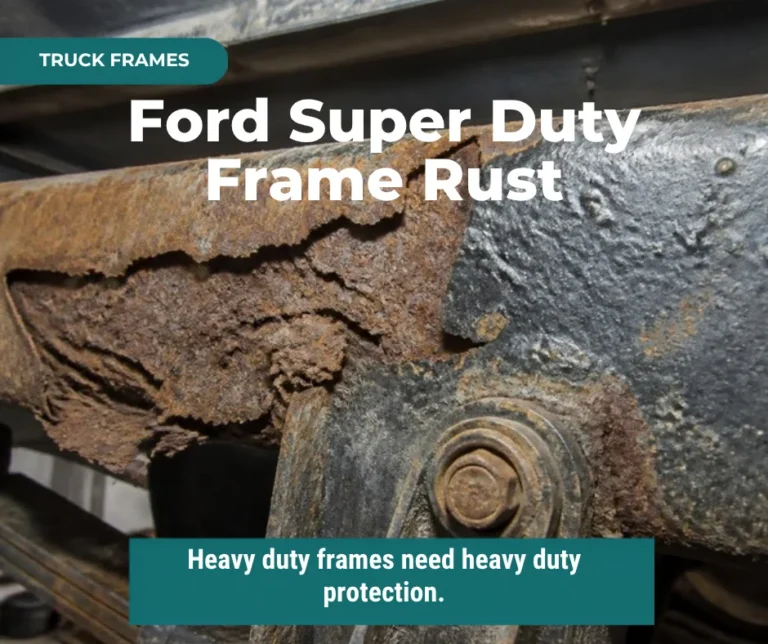
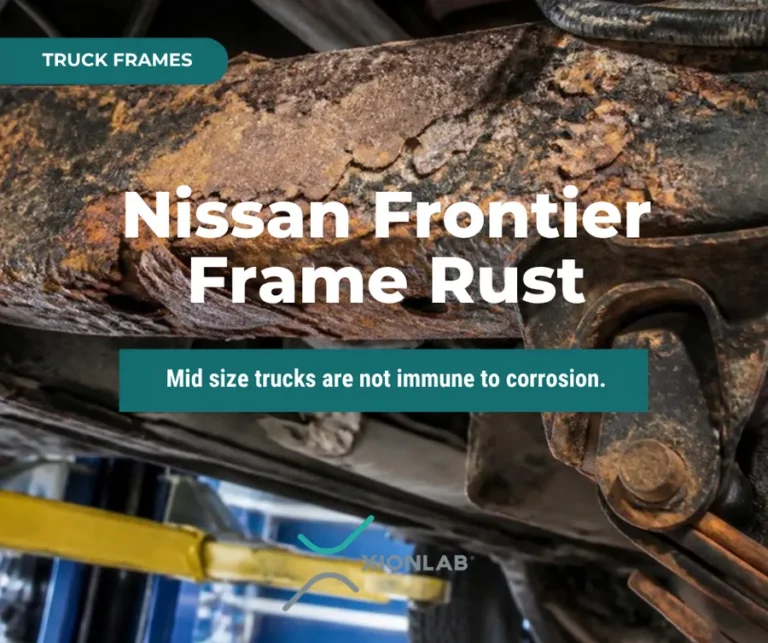
Frame corrosion follows the same logic. If you own a pickup, the pattern is documented well enough that we wrote a dedicated breakdown of frame rust causes and fixes, though the inspection principles apply to any body on frame vehicle. The Association for Materials Protection and Performance publishes surface preparation standards professionals work to, and those standards exist precisely because guesswork on structural steel gets expensive.

Prevention
Keeping It From Coming Back
Prevention costs almost nothing compared to repair. Yet it only works as a habit, not a one time project.
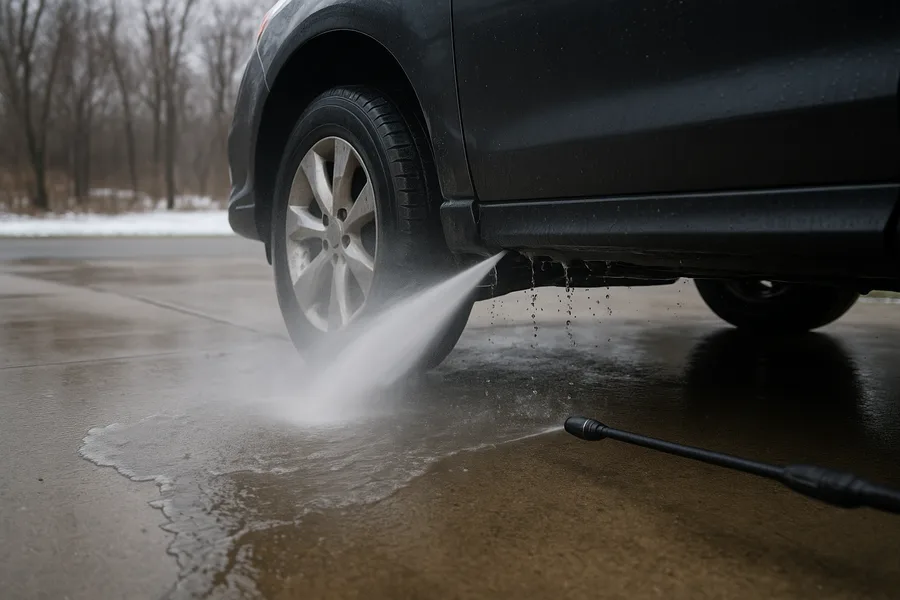
- Wash the underside, not just the paint. Through winter, every two weeks. Most automatic washes offer an undercarriage rinse for a couple of dollars and it genuinely helps.
- Clear the drain holes. Doors, rockers, sunroof channels and trunk seals all drain somewhere. A length of weed trimmer line clears them in five minutes.
- Fix chips within a week. A stone chip on bare steel starts oxidizing in days. Touch up paint is cheap insurance.
- Rinse again in spring. Salt residue keeps working long after the snow melts. One thorough spring wash ends the cycle.
- Think hard about undercoating. Rubberized coatings sprayed over existing rust seal moisture in rather than out. Applied to clean dry metal they help enormously. Applied over neglect, they accelerate the damage they were sold to prevent.
Our full breakdown of protecting metal before corrosion starts goes deeper on coating selection, and stopping rust from spreading covers what to do when you’ve found it late.
FAQ
Questions Car Owners Actually Ask
Can rust be stopped permanently, or does it always come back?
Stage one and stage two rust can be stopped indefinitely provided the repair is sealed from moisture and oxygen. Corrosion needs both. Remove either one and the reaction halts. Repairs fail when a pinhole in the coating lets water back to bare steel, so coverage quality matters more than the brand on the can.
Does WD-40 stop rust on a car?
Only briefly. It displaces water and leaves a light oil film, useful on a hinge or a bolt, useless on a panel. The film evaporates within weeks and offers nothing against ongoing oxidation. Treat it as a temporary measure on hardware, never as a repair.
How long before surface rust becomes a hole?
On a daily driver in a salted climate, bare steel can go from a visible chip to perforated metal in two to four winters. Garaged cars in dry states might sit at stage one for a decade. Humidity and chloride exposure drive the clock more than age does.
Is it worth repairing rust on an older car?
Depends entirely on location. Cosmetic rust on a fifteen year old commuter rarely justifies shop pricing, though a DIY treatment costs little and slows the spread. Structural rust on the same car often exceeds its value. Rust visible on a frame rail or floor pan usually signals more hidden underneath.
Can I apply a rust converter over paint?
No. Converters react with iron oxide directly, so they need contact with rusted metal. Applied over intact paint they simply dry as a weak film with no bond and no benefit. Abrade back to the rust first, then treat.
Does a car wash actually prevent rust or is that a myth?
It works, and the evidence is strong. Salt and chloride brine draw moisture from the air and keep metal wet long after a dry day would have saved it. Rinsing removes the chloride. AAA specifically recommends frequent winter washing with attention to the undercarriage.
What is the cheapest way to stop rust spreading right now?
Scuff the area with an abrasive pad, apply a converter, and cover it with any primer you have on hand. Twenty dollars, one hour. It buys time until a proper repair fits your schedule, and time is what keeps stage two from becoming stage four.
Know Your Stage, Pick Your Fix
Browse the full XionLab library of rust treatment guides, from wheel arches to frame rails.
Safer For You, Safer For The Environment. Since 2015.